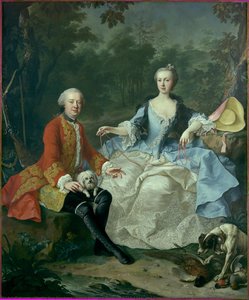
Quick Facts
- Died: 1770
- Born: 1695, Stockholm, Sweden
- Room fit: living room
- Mediums: oil on canvas
- Museums on APS:
- Academy of Fine Arts Vienna
- Academy of Fine Arts Vienna
- Academy of Fine Arts Vienna
- Academy of Fine Arts Vienna
- Academy of Fine Arts Vienna
- Copyright status: Public domain
- Works on APS: 16
- Vibe: elegant
- More…
- Art period: Early Modern
- Nationality: Sweden
- Top-ranked work: Count Giacomo Durazzo (1717–1794) and Ernestine Aloisia Ungnad von Weissenwolff (1732–1794)
- Best occasions: accent
- Lifespan: 75 years
- Gift suitability: other-none
- Typical colors: other
- Top 3 works:
- Count Giacomo Durazzo (1717–1794) and Ernestine Aloisia Ungnad von Weissenwolff (1732–1794)
- Queen Maria Theresia of Hungary
- Self-Portrait
Art Quiz
There is only one correct answer for each question.
Question 1:
Q1
Question 2:
Q2
Question 3:
Q3
Related Articles
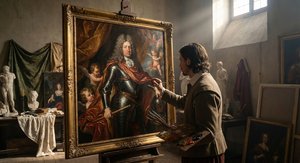
The Grandeur of Baroque Portraiture: Power, Emotion & Artistic Innovation
Explore the grandeur of Baroque portraiture! Discover Rubens, Van Dyck & the masters of 17th-century art. Uncover symbolism, techniques & lasting influence. Expert insights for collectors and enthusiasts.

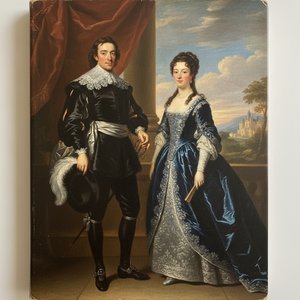
Sir Anthony van Dyck: Courtly Portraiture & the Shaping of Baroque Identity
Explore the life & legacy of Sir Anthony van Dyck, the leading court painter of his era. Discover his innovative portraiture, Baroque masterpieces, and investment potential for discerning collectors. Learn more at OriginalUniqueArt.

Franz Xaver Winterhalter: Court Painter, Academician & Embodiment of Mid-19th Century Portraiture
Explore the life & art of Franz Xaver Winterhalter, the celebrated court painter of the 19th century. Discover his exquisite portraits of royalty and aristocracy – a symbol of prestige and refined taste.