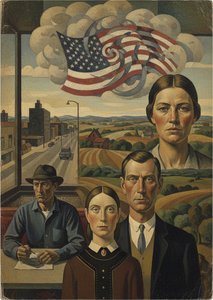
The Ford Motor Company: From Assembly Line to American Icon
The story of the Ford Motor Company is more than just a chronicle of automotive innovation; it’s a powerful reflection of 20th-century America itself – its relentless drive for progress, its democratization of luxury, and its enduring fascination with speed and style. Founded in 1903 by Henry Ford, the company didn't simply build cars; it built a future where personal transportation was accessible to the masses. Initially, Ford experimented with various models, but his vision crystallized around a single, standardized vehicle: the Model T. This wasn’t about creating a beautiful machine for the wealthy elite, but rather a robust, affordable workhorse for the American farmer and burgeoning middle class. The revolutionary impact of the moving assembly line, implemented in 1913, slashed production times and costs, making the Model T not just a car, but a symbol of efficiency and modern industrial power. The early years were defined by this singular focus – perfecting the process to deliver more cars, at lower prices, to an ever-expanding market. This commitment fundamentally altered the landscape of manufacturing and consumerism.
Beyond the Model T: Diversification and Design
While the Model T secured Ford’s dominance for decades, the company recognized the need to evolve beyond its foundational product. The 1920s saw a shift towards diversification and an increasing emphasis on design. The introduction of the Model A in 1927 marked a turning point – a more stylish and technologically advanced vehicle intended to appeal to a broader range of tastes. This signaled Ford’s willingness to adapt to changing consumer preferences, acknowledging that practicality alone wouldn't sustain long-term success. The Depression years presented significant challenges, but Ford persevered, investing in new technologies and streamlining operations. The pre-war period also witnessed the company’s growing involvement in aviation, with the development of aircraft like the Trimotor and later, the iconic B-24 Liberator during World War II. This wartime production demonstrated Ford's capacity for large-scale manufacturing beyond automobiles, solidifying its role as a crucial component of the national defense infrastructure. The company’s archives reflect this period of expansion, documenting not only automotive designs but also engineering breakthroughs in aerospace and industrial machinery.
Post-War Prosperity and the Rise of Automotive Culture
The post-war era ushered in an age of unprecedented prosperity and a burgeoning car culture, and Ford was at the forefront of this revolution. The introduction of models like the Thunderbird in 1955 epitomized the American dream – sleek lines, powerful engines, and a sense of freedom and individuality. Ford understood that cars were no longer simply modes of transportation; they were statements of personal identity and social status. This realization fueled a wave of innovative designs and marketing strategies aimed at capturing the imagination of a new generation of drivers. The Mustang, launched in 1964, became an instant sensation, embodying youthful energy and affordable performance. It wasn’t just a car; it was a cultural phenomenon that defined an era. The archives from this period are rich with advertising materials, design sketches, and internal memos revealing the company's meticulous attention to detail and its deep understanding of consumer psychology. Ford also pioneered new safety features and technologies, responding to growing concerns about road accidents and environmental impact.
Challenges and Transformations in the Late 20th & 21st Centuries
The latter half of the 20th century brought increased competition from foreign automakers and evolving consumer demands. Ford faced challenges related to fuel efficiency, emissions standards, and changing tastes. The company responded with a series of strategic initiatives, including the development of smaller, more fuel-efficient vehicles like the Fiesta and Focus. However, maintaining profitability while adapting to these new realities proved difficult. The archives document internal debates about design direction, manufacturing processes, and marketing strategies during this period of transition. The 21st century has seen Ford embrace electric vehicle technology with models like the Mustang Mach-E and F-150 Lightning, signaling a commitment to sustainability and innovation. This represents a significant shift in the company’s long history, acknowledging the need to address climate change and evolving consumer preferences for environmentally friendly transportation options. The focus on trucks and SUVs has also become increasingly prominent, reflecting changing market dynamics and consumer priorities.
Ford's Enduring Legacy
The Ford Motor Company’s impact extends far beyond the automotive industry. It revolutionized manufacturing processes, democratized access to personal transportation, and shaped American culture in profound ways. From the assembly line to the Mustang, Ford has consistently pushed boundaries and redefined what it means to own a car.
The company's commitment to innovation continues to drive its success.
Its archives serve as a valuable resource for historians, designers, and anyone interested in understanding the evolution of American industry.
Ford’s enduring legacy is a testament to the power of vision, perseverance, and a deep understanding of consumer needs.
The story of Ford isn't just about cars; it’s about the relentless pursuit of progress, the democratization of opportunity, and the ever-evolving American dream. The company remains a powerful symbol of ingenuity and resilience, continuing to shape the future of transportation and inspire generations to come.
Explore 10 defining American Realism masterpieces – Hopper, Homer & more. Discover the stories behind these iconic paintings and bring timeless art to your home with OriginalUniqueArt's museum-quality reproductions. Explore the full collection online.
Explore the world of Grant Wood & American Regionalism with OriginalUniqueArt. Discover the symbolism behind 'American Gothic', recurring themes, and the movement's lasting impact on art history. High-quality reproductions available.
Explore the rise of American Regionalism in interwar art! Discover Grant Wood, Thomas Hart Benton & the movement's impact on American identity. Expert analysis & historical context.