Charles Latham Gaines Jr.: A Life Bridging Words, Nature, and Art
- Born: Charleston, United States of America (1942)
- Status: Living
Charles Latham Gaines Jr., often known as Charles Gaines, is a multifaceted American figure celebrated for his contributions as a writer, outdoorsman, and conservationist. His career spans diverse fields, leaving an indelible mark on literature, bodybuilding culture, and environmental stewardship. Born in 1942, Gaines’s work consistently explores the intersection of human experience with the natural world, often infused with intellectual depth and philosophical inquiry.
Early Life and Literary Beginnings
Gaines was born in Charleston, South Carolina, later moving to Birmingham, Alabama as a child. He pursued higher education at Washington and Lee University before transferring to Birmingham-Southern College, where he earned his BA and an MFA in writing from the University of Iowa. His early life experiences fostered a deep appreciation for the outdoors, which would become a recurring theme throughout his literary career.
"Pumping Iron" and Bodybuilding's Golden Age
- Notable Work: Pumping Iron: The Art and Sport of Bodybuilding (1974)
Gaines achieved widespread recognition as the co-author, alongside George Butler, of "Pumping Iron." This groundbreaking journalistic work provided an unprecedented look into the world of competitive bodybuilding during its “Golden Age.” The book not only brought this specialized subculture to a broader audience but also played a pivotal role in launching the career of Arnold Schwarzenegger. Gaines's narration and contribution to the documentary film adaptation further solidified his influence, capturing the intensity, dedication, and artistry inherent in the sport.
Conservation Efforts and Environmental Advocacy
Beyond his literary achievements, Gaines is deeply committed to environmental conservation. He has been actively involved in the stewardship of North American Atlantic salmon fisheries, demonstrating a profound concern for ecological preservation. His service on the board of directors of the Atlantic Salmon Federation underscores his dedication to protecting natural resources and promoting sustainable practices.
Artistic Exploration and Intellectual Legacy
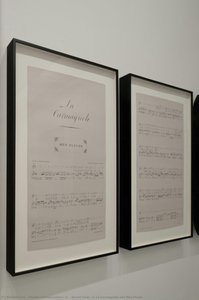
While not primarily known as a visual artist himself, Gaines’s work frequently intersects with artistic realms, particularly through its exploration of the human relationship with nature. His writings offer a unique perspective on how we perceive and interact with the environment, prompting reflection on our place within the natural world. His "Sound Texts" series, utilizing musical scores derived from political texts, exemplifies his conceptual approach to art, transforming language into auditory experiences that challenge conventional modes of understanding. Gaines’s legacy lies in his ability to bridge seemingly disparate fields—literature, sports, conservation, and art—creating a rich tapestry of intellectual inquiry and practical engagement.