A Life Immersed in Merseybeat & Modernity
Adrian Henri, born in Birkenhead in 1932, was a figure who defied easy categorization. He wasn’t simply a poet, nor solely a painter; he was an embodiment of the burgeoning counterculture that swept through Britain in the 1960s and 70s, a true polymath whose work resonated with a generation hungry for authenticity and artistic innovation. His early life, marked by a move to Rhyl in Wales at the age of six, instilled in him a sense of displacement and observation – qualities that would later permeate his art and poetry. While his father worked as an entertainments organiser, young Henri absorbed the vibrant energy of holiday camp life, a world of fleeting performances and manufactured joy which subtly informed his later explorations of popular culture. His formal education at King’s College, Newcastle, proved pivotal, exposing him to the currents of abstract
impressionism and the nascent
pop art movement. This foundation in
fine art would remain central to his
creative process throughout his career, even as he ventured into other mediums.
The Rise of The Liverpool Scene & ‘The Mersey Sound’
Henri's artistic journey took a defining turn upon returning to Liverpool. He became a key player in the city’s thriving arts scene, forging connections with fellow creatives like Neville Weston and Keith Arnatt. However, it was his foray into performance poetry that truly catapulted him to prominence. In 1967, alongside Brian Patten and Roger McGough, he co-authored
The Mersey Sound, a collection of poems that captured the spirit of Liverpool with raw honesty and playful energy. The anthology became an instant sensation, breaking down barriers between poetry and popular culture and attracting a new audience to verse. This success led to the formation of
The Liverpool Scene, a unique poetry-rock group that blended spoken word performances with live music. Their gigs were legendary – chaotic, energetic events that reflected the zeitgeist of the era. Henri’s characterisation of
everyday life in his verses widened the audience for poetry among 1960s British youth and challenged conventional notions of what poetry could be.
Influences & Artistic Development
Henri's artistic influences were diverse and far-reaching. He drew inspiration from the French Symbolist school of poetry, particularly its emphasis on suggestion and atmosphere, and embraced the
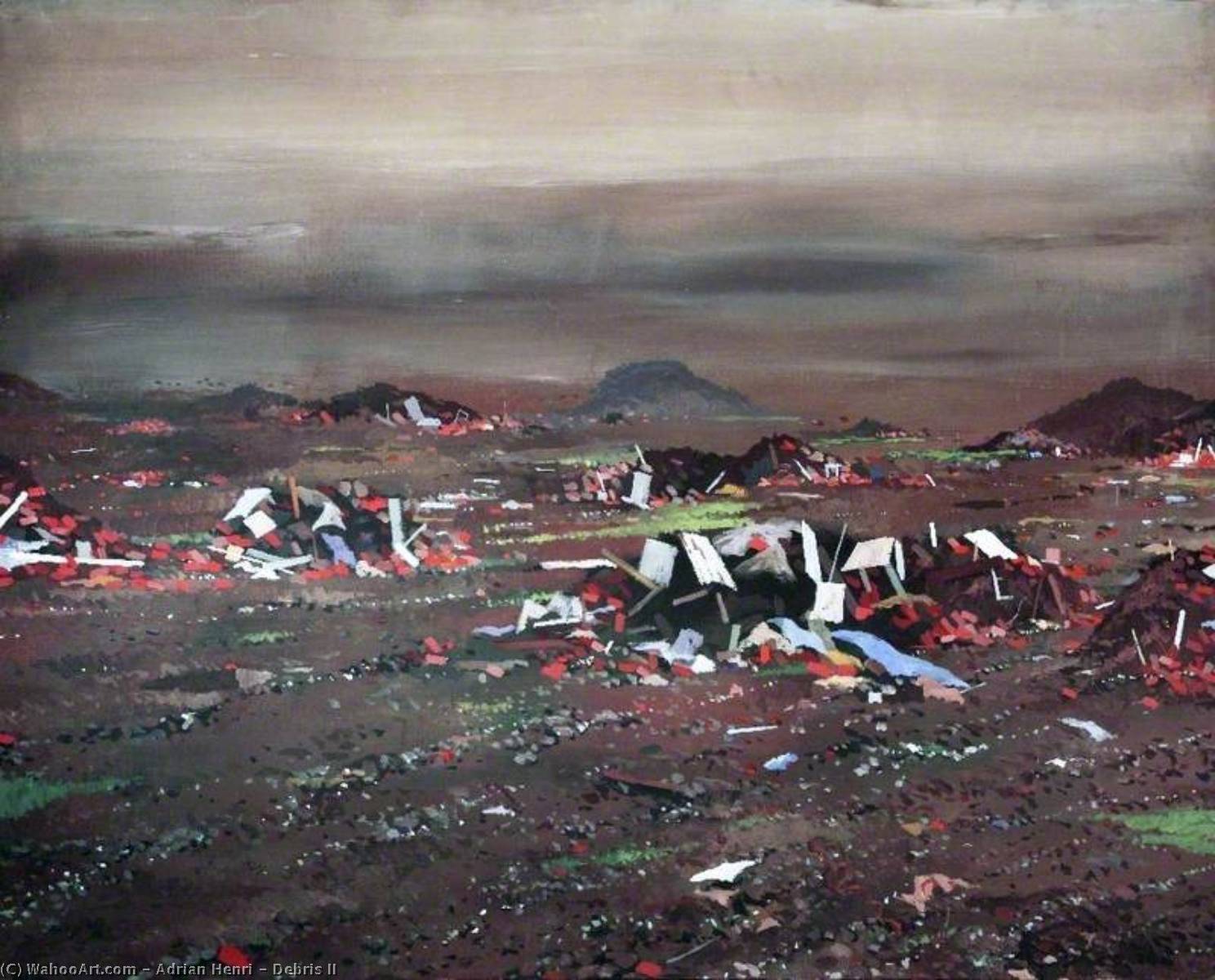
surrealist art movement’s exploration of the subconscious mind. His grandfather’s seafaring background also played a role, imbuing his work with a sense of wanderlust and an appreciation for different cultures. His paintings often featured fragmented imagery, bold colours, and a playful disregard for traditional perspective – hallmarks of
pop art. However, Henri wasn't merely imitating these styles; he synthesized them into something uniquely his own. His
Meat Paintings, such as “Meat Painting II – In Memoriam Rene Magritte” (which won him a major prize in the 1972 John Moores competition), were particularly striking, juxtaposing visceral imagery with
surrealist elements to explore themes of mortality and consumerism. These works demonstrated his ability to engage with complex ideas through unconventional means.
A Multifaceted Career & Lasting Legacy
Beyond poetry and painting, Henri’s creative output spanned a remarkable range of disciplines. He worked as a teacher, lecturer in art at Manchester and Liverpool Colleges of Art, playwright, librettist, and rock-and-roll performer. His career was punctuated by collaborations with other prominent artists, including
John Lennon, George Melly, Allen Ginsberg, Willy Russell, John Willett and Paul McCartney. He served as president of the Merseyside Arts Association and Liverpool Academy of the Arts in the 1970s, championing local talent and fostering a vibrant artistic community. His ten-year relationship with Carol Ann Duffy, who later became Poet Laureate, further cemented his position within the literary landscape. Despite suffering a stroke in the late 1990s that impaired his speech, Henri continued to create art until his death in Liverpool in 2000.
The Enduring Power of Observation
Adrian Henri’s legacy extends far beyond
The Mersey Sound. He was a pioneer who blurred the boundaries between artistic disciplines and challenged conventional notions of what it meant to be an artist. His work continues to resonate with audiences today, offering a unique glimpse into the cultural ferment of 1960s Britain and reminding us of the power of observation, imagination, and authentic self-expression. He remains a vital figure in British
art history – a poet, painter, performer, and provocateur who dared to embrace all facets of creativity and leave an indelible mark on the world around him.