The Alchemy of Pigment: Understanding the Composition and Tactility of Pastel The Soft Power of Pastel: A Connoisseur's Guide to History, Technique, and the Art of Texture The Alchemy of Pigment: Understanding the Composition and Tactility of Pastel ...
To encounter a true pastel work is to step into a realm where the boundary between pigment and air begins to dissolve, leaving behind only a sense of profound, quiet wonder. Unlike the heavy, structural permanence found in the layered depths of oil paint, which relies on a substantial medium to bind color to canvas, pastel offers an ethereal immediacy. It is a medium composed of pure, concentrated pigment held together by a minimal amount of binder, a fundamental characteristic that grants the artist a unique vocabulary of softness and tactility. This delicate composition allows the eye to perceive more than mere color; it perceives a dusting of light that seems to vibrate against the surface of the paper.
This physical interaction between the stick and the substrate is where the true magic resides. Because the pigment sits atop the grain of the paper rather than being forced into it through heavy oils, there is an inherent velvety texture that defines the medium. This allows for a layering process that is both additive and subtractible, where artists can build up luminous clouds of color or scrape away layers to reveal hidden brilliance. One might look at the works of Oxana Olegovna Klip and see how she utilizes this inherent softness to create a sense of ethereal immediacy, manipulating color and pigment to convey complex psychological states, often blurring the boundaries between reality and dreamscape.
The history of this medium is marked by such transformations in how we perceive the weight of color. In the eighteenth century, pastel flourished as a tool of elegance, used by artists to mimic the velvet smoothness of skin or the delicate lace of a gown. Today, that same elemental power remains, providing a sensory grounding that reminds us of the enduring strength found in subtle gradients and the precision of light.
A Glimpse into Feminine Contemplation: Pierre-Auguste Renoir’s 1890 Pastel Study This exquisite pastel portrait offers a captivating window into the artistic world of Pierre-Auguste Renoir, painted around 1890 – a pivotal period in his stylistic evol...
The history of pastel is inextricably linked to the evolution of light in Western art, reaching its zenith during periods when artists sought to capture the very breath of the atmosphere. The optical vibrancy of a work in pastel results from the absence of yellowing resins and the reflection of light from the innumerable facets of the finely ground powder. This creates a visual experience where light does not simply hit the surface but seems to breathe from within it.
This dialogue between light and the eye finds a profound expression in the works of the Impressionists. Consider the way Pierre-Auguste Renoir utilized chalk pastels in his 1890 Study of a Woman. Through a delicate interplay of hues, he built up tones and textures that demonstrate a mastery of color harmony, prioritizing the impression of light rather than meticulous detail. His choice of medium allowed for a soft, hazy effect, lending an ethereal quality to the subject that oil could rarely replicate with such spontaneity.
This pursuit of light finds its scientific echo in the observations of Johann Wolfgang von Goethe. In his Theory of Colours, Goethe moved beyond the purely physical descriptions of Newton to explore how phenomena are perceived by the human eye. He noted that color is produced not only by light itself but by what stands against it. This philosophical approach mirrors the way a pastel artist uses the grain of the paper and the layering of complementary strokes—much like Edgar Degas, who placed strokes of contrasting hues side by side—to create a rhythmic, pulsing energy that challenges the viewer to look deeper.
The Intimate Breath: Finding Solitude in Pastel Strokes
A Sanctuary of Vision: The Soul of The Barnes Foundation To step into The Barnes Foundation is to enter a space where the boundaries between art, life, and education dissolve into a singular, transformative experience. Located in the heart of Philade...
There is a specific kind of intimacy found in pastel, an ability to capture a fleeting moment as if it were a private whisper. Because the medium is so direct, every stroke carries the weight of a heartbeat, making the viewer feel less like an observer and a participant in a quiet, unscripted moment. This is particularly evident when the subject matter moves away from the grand and toward the domestic or the personal.
In Edgar Degas’s Woman washing in the bath, we are invited into a sanctuary of solitude. Through the soft, tactile magic of pastel and charcoal, he captures a private ritual of daily life, transforming a mundane moment into a meditation on human dignity. The texture is electric, utilizing loose, gestural strokes that create a grainy, atmospheric quality, mimicking the diffusion of light in a tiled room. Similarly, Gustave Caillebotte’s Camille Daurelle in the Park at Yerres uses the delicate handling of pastel to arrest a fleeting breath of afternoon light, presenting a child absorbed in contemplation amidst the greenery of a Parisian park.
This sense of quietude is not unlike the experience of walking through The Barnes Foundation in Philadelphia. The institution was conceived as a living laboratory for the eyes, where the boundaries between art and life dissolve. Much like a well-placed pastel drawing, the collection encourages a deep, rhythmic dialogue with the canvas, inviting us to find beauty in the small, the transient, and the profoundly personal.
A Pioneer in Pastel: The Life of Henrietta de Beaulieu Johnston In the annals of American art history, few names carry the quiet, revolutionary weight of Henrietta de Beaulieu Johnston . As the earliest recorded female artist in the English colonies ...
For much of history, pastel was viewed through the lens of its utility, often relegated to the role of a tool for preparatory sketches or anatomical studies. It was a medium of the draftsman, used to lay down the groundwork for more permanent oil works. However, this perception underwent a profound metamorphosis as artists began to realize that the medium could stand alone as a powerhouse of expression.
This evolution is visible in the transition from the powdered elegance of the Rococo era to the explosive energy of the nineteenth century. Artists like Henriette de Beaulieu Dering Johnston, a pioneer in North America, used pastel to achieve a luminous, ethereal quality that captured subtle gradations of skin tones and the soft textures of fabric, bringing a refined European sensibility to the colonial landscape. As the medium progressed, it moved away from the rigid boundaries of academicism toward a more sensory experience.
The shift was completed when masters like Degas and Renoir began to use the medium not for preparation, but for the final, definitive statement. They manipulated dust and light to challenge the status quo, pushing art toward an emotive experience that oil often struggled to match in speed and vibrancy. What began as a way to sketch the world became a way to redefine it, turning dry sticks of color into windows of profound cultural significance.
The Essence of Pastel Dust Born in 1972, Sébastien Colin has emerged as a definitive voice in contemporary digital illustration, masterfully redefining the boundaries of Watercolor & Soft Media . His practice is anchored in what critics call the "Pas...
In our current age of hyper-saturated digital screens and fleeting pixels, there is a deep, soulful pull toward the tactile reality of physical art. We live in an era of smoothness, yet we find ourselves longing for the friction of the artist's hand against the paper. The inherent texture of pastel—the way the pigment clings to the tooth of the page—offers a sensory grounding that digital media cannot replicate.
We see this longing reflected in contemporary voices like Sébastien Colin, who utilizes digital techniques to replicate the "tactile silence" of physical chalk. His work seeks to bridge the gap between historical texture and modern technology, using soft transitions and dusty textures to evoke a sense of stillness. Yet, even in these digital explorations, the fundamental desire remains the same: to capture the ephemeral and the atmospheric through the manipulation of light and shadow.
Ultimately, whether we are looking at an 18th-century portrait or a contemporarydigital study, the allure of pastel lies in its ability to remind us of the beauty found in softness and the strength found in subtle gradients. It remains a medium that captures the captured breath of history, inviting us to slow down and appreciate the enduring power of a single, well-placed stroke of color.
At OriginalUniqueArt.com, we celebrate this enduring connection to the tactile and the beautiful, offering both hand-painted reproductions and museum-quality prints that honor the profound legacy of the Impressionist and Post-Impressionist masters.
Explore the ethereal magic of Impressionist portraiture. Discover how masters like Monet and Renoir captured light and soul through revolutionary composition, and learn how to bring this timeless beauty into your home with exquisite, hand-painted oil reproductions.
Discover the ethereal beauty of pastel art through an Impressionist lens. Explore how masters like Monet and Renoir captured light and velvet textures, and learn to curate a collection of luminous, museum-quality masterpieces for your home.
Explore the ethereal beauty of pastel art. From Renaissance origins to Impressionist mastery, discover the history, technique, and velvety textures that define this luminous medium in our expert guide for art connoisseurs.
Immerse yourself in the luminous world of Pierre-Auguste Renoir. Explore 25 iconic Impressionist masterpieces, from vibrant portraits to scenes of light and joy. Find inspiration for museum-quality art reproductions and decor. Discover all masterpieces on OriginalUniqueArt.com.

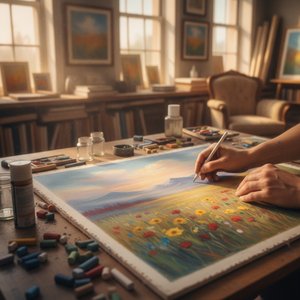 Mastering Pastel Art: A Professional Guide to Texture, Color, and Technique for the Discerning Collector
 Study of a Woman
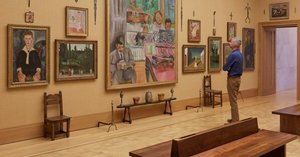 The Barnes Foundation
 Henrietta De Beaulieu Dering Johnston
 Sébastien Colin


