The Alchemy of Light: Understanding the Psychological Impact of Gold in Decor Gilded Splendor: Elevating Luxury Interiors with the Timeless Radiance of Gold Leaf Artistry The Divine Legacy: Gold as a Symbol of Eternal Splendor and Power Gold Leaf & G...
Gold possesses a unique optical property that transcends the limitations of standard color palettes. It does not simply sit upon a surface; it interacts dynamically with the viewer’s movement, shifting and shimmering as if the artwork itself were breathing. This radiance is not a static pigment but an atmospheric phenomenon. When light hits a gilded surface, it reflects in a way that breathes life into even the most dimly lit galleries or quiet residential corners.
In the realm of high-end design, this creates a sense of depth and vitality that matte pigments cannot replicate. The metal acts as a conductor of atmosphere, capturing and redistributing light to create a focal point of energy. This movement is particularly striking in works where the metallic element is applied with varying thicknesses, allowing for micro-shadows that change with the time of day.
A Lineage of Brilliance: From Ancient Divinity to Modern Abstraction
The Alchemy of Divinity: Gold as the Eternal Symbol of the Sacred The Sacred Glow: Mastering Gold Leaf and Gilding in Byzantine Art The Alchemy of Divinity: Gold as the Flesh of the Gods The Allure of Gold in Art History: Symbolism, Technique & Cultu...
The use of gold in art is an alchemical bridge between the terrestrial and the divine. In ancient Egypt, gold was revered as the very flesh of the gods, its unchanging brilliance serving as a promise of immortality and safe passage through the afterlife. This reverence reached its most profound expression in the Byzantine Empire, where master artisans utilized gold leaf to represent the uncreated light of heaven. Within these sacred icons, the metal becomes a theological necessity, capturing a celestial glow within human sight.
This tradition of using precious metals to convey power and sanctity has evolved into the bold visual identities of today. While we no longer use gold solely for religious iconography, its symbolic weight remains. Modern artists like Maio Motoko, born in Tokyo in 1965, utilize gold leaf to transcend mere representation, striving to capture the essence of harmony and spirituality through meticulous layering. Her work demonstrates how centuries-old Japanese craftsmanship can be reinterpreted to evoke tranquility and wonder in a contemporary context.
Sculpting with Shine: The Interplay of Impasto and Metallic Texture
A Vision of Sculptural Grandeur Gilded Fragmented Motion: A Monumental Study in Gold and Sculptural Impasto Texture is a breathtaking exploration of movement, light, and tactile depth. This masterpiece captures a powerful, sinuous sweep of metallic g...
The true impact of gold is often found in its physical relief. When metallic pigments are combined with heavy, sculptural impasto, the result is a tactile landscape of light and shadow. In works such as Gilded Fragmented Motion: A Monumental Study in Gold and Sculptural Impasto Texture by David Moreau, the composition strikes a balance between controlled chaos and meditative stability. Here, the heavy, rhythmic ridges of gold collide with a fragmented background of cream, beige, and soft grey, creating a three-dimensional presence that commands attention.
This sculptural approach extends to other modern explorations as well. Radiant Gilded Expansion by Moreau showcases a moment of controlled chaos where brilliant metallic gold leaf bursts from a dense, central core. The interplay of light across raised ridges and crinkled surfaces provides a hypnotic depth. Similarly, the Golden Leaf Metallic Wall Sculpture utilizes precision laser cutting and CNC engraving to create an organic, cascading effect that mimics natural foliage, proving that the weight and texture of metal can anchor even the most minimalist spaces.
Atmospheric Design: Integrating Gilded Elements into Contemporary Interiors
The Allure of Gold: Why Metallic Accents Define Luxury Interiors There is a profound, almost primal connection between the human spirit and the shimmer of precious metals. Throughout history, gold has never been merely a color; it is a symbol of divi...
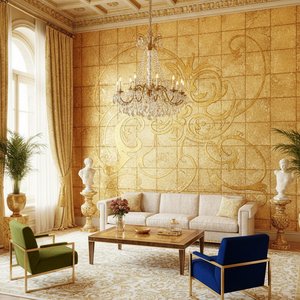
Integrating gold into a curated living space is about more than decoration; it is about inviting warmth and eternal light. Gold serves as the ultimate bridge between classical grandeur and modern minimalist aesthetics. It carries the weight of Renaissance splendor while providing a sharp, sophisticated edge to contemporary design. When placed strategically, a gilded artwork acts as a silent conductor, drawing the eye through its ability to capture and redistribute light.
Achieving true luxury requires a discerning eye for how these textures interact with surrounding elements. A matte gold can offer an understated elegance that complements neutral palettes, whereas a high-shine metallic sculpture serves as a commanding centerpiece. For those looking to create a cohesive aesthetic, pairing gold with deep, rich tones like aubergine or emerald can evoke a sense of regal sophistication. Conversely, using slate gray as a background allows the reflective surface of the gold to stand out with modern, sleek clarity.
The Science of Shimmer: Reflective Properties and Material Depth
Metal effect pigments, formerly referred to as bronzes, are pigments used to create an optical metallic effect, commonly also described as a metallic appearance. These pigments typically consist of platelet-shaped particles with particle diameters ge...
The visual magic of gold is grounded in the physics of light and material science. Metallic pigments, often composed of platelet-shaped particles, rely on directional reflection to create their characteristic luster. This effect is achieved when these planar surfaces align parallel to the surface of the medium. Whether using the high-gloss finish of leafing pigments or the more muted appearance of non-leafing types, the way these particles interact with light defines the artwork's character.
The history of these materials is as fascinating as their appearance. The concept of metal effect pigments emerged between the 4th and 3rd centuries BC from the gold beater trade in Egypt, where waste from hammering gold into thin foils was mixed into early lacquer precursors. Today, we see this reflected in everything from professional signwriting enamels to high-end fine art. However, collectors must remain aware of the delicate nature of certain applications; for instance, some metallic inks contain high loadings of uncoated powders that can tarnish when exposed to harsh detergents or bleaching agents.
Defining Luxury: The Strategic Use of Gold in High-End Curation
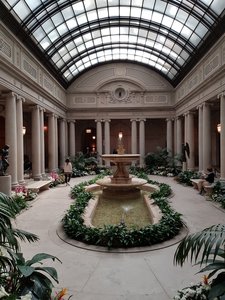
A Sanctuary of Gilded Age Grandeur: The Frick Collection Nestled within a meticulously preserved mansion on Fifth Avenue in New York City, The Frick Collection is more than simply a museum; it’s an immersive journey into the heart of the American Gil...
In the world of serious collecting, gold is a material of intention. It is used to define spaces and establish a standard of excellence that refuses to succumb to fleeting trends. From the curated halls of The Frick Collection, which showcases the gilded age grandeur of New York, to the Museo del Oro in Bogotá, which preserves the spiritual connection between ancient cultures and precious metals, gold remains a language of prestige.
For the modern collector, acquiring works that utilize these metallic elements is an investment in texture and light. Whether it is a one-of-one creation from the OriginalUniqueArt.com Studio or a custom commission that reimagines historical styles, the goal is to curate a collection where each piece contributes a different facet of light. By selecting works with profound physical presence—where the brushstrokes are visible and the gold ridges are palpable—one ensures that their environment remains a sanctuary of enduring beauty and refined taste.
Discover how gold accents and gilded masterpieces elevate luxury interiors. Explore the timeless allure of gold leaf art, from Byzantine splendor to Baroque grandeur, and learn to curate radiant, prestigious spaces with expert art consultation and museum-quality reproductions.
Explore the divine mastery of Byzantine gold leaf and gilding. Discover how ancient artisans used gold ground and mosaics to create celestial light, a timeless legacy of spiritual splendor and technical excellence in sacred art history.
Transform your interiors with the timeless radiance of gold leaf art. Discover museum-quality, hand-painted oil reproductions and bespoke gilded commissions. From Byzantine splendor to Klimt’s brilliance, explore exquisite pieces curated for the most discerning luxury collectors.


 Gilded Elegance: How Gold Background Artworks Transform Luxury Interiors with Timeless Radiance
 The Magic of Gold Leaf: Unveiling the Sacred Art of Byzantine & Renaissance Gilding
 Gilded Fragmented Motion: A Monumental Study in Gold and Sculptural Impasto Texture
 Golden Glow: How to Use Metallic Gold Artworks to Elevate Your Home Decor with Timeless Luxury
 Metal effect pigment
 The Frick Collection