Decoding the Hidden Language: A Sophisticated Guide to Medieval Symbolism and Iconography in Art
Unlock the profound secrets of Medieval art. Our expert guide decodes the sacred iconography, symbolic pigments, and theological narratives of the Gothic era, offering a sophisticated journey through history for the discerning art enthusiast and collector.
The Celestial Canvas: Understanding the Spiritual Purpose of High Medieval Art To step into the world of High Medieval art is to leave the mundane behind and enter a realm where every brushstroke serves as a bridge between the earthly and the divine....
To step into the world of High Medieval art is to leave the mundane behind and enter a realm where every brushstroke serves as a bridge between the earthly and the divine. During this transformative era, art was rarely conceived as mere decoration or an expression of individual ego; rather, it functioned as a profound theological instrument. The artist acted as a conduit, translating complex spiritual doctrines into visual narratives that could be understood by all, from the most learned clerics to the illiterate peasantry. This period saw the emergence of a visual language designed not to mimic the physical world with photographic accuracy, but to evoke the eternal essence of the soul.
In this sacred context, the creation of an altarpiece was an act of devotion. Whether examining the monumental Maestà by Duccio di Buoninsegna or the intricate Gothic panels of the Master of the Aix Annunciation, one perceives a deliberate effort to transcend human limitation. The primary objective of these works was anagogical—a term used by theologians to describe the process of leading the mind upward from material beauty to spiritual truth. When a viewer gazed upon a gilded surface or a vibrant pigment, they were not meant to admire the wealth of the patron alone, but to contemplate the unapproachable light of the Creator through the medium of the image.
The Vocabulary of the Divine: Decoding Sacred Iconography and Motifs
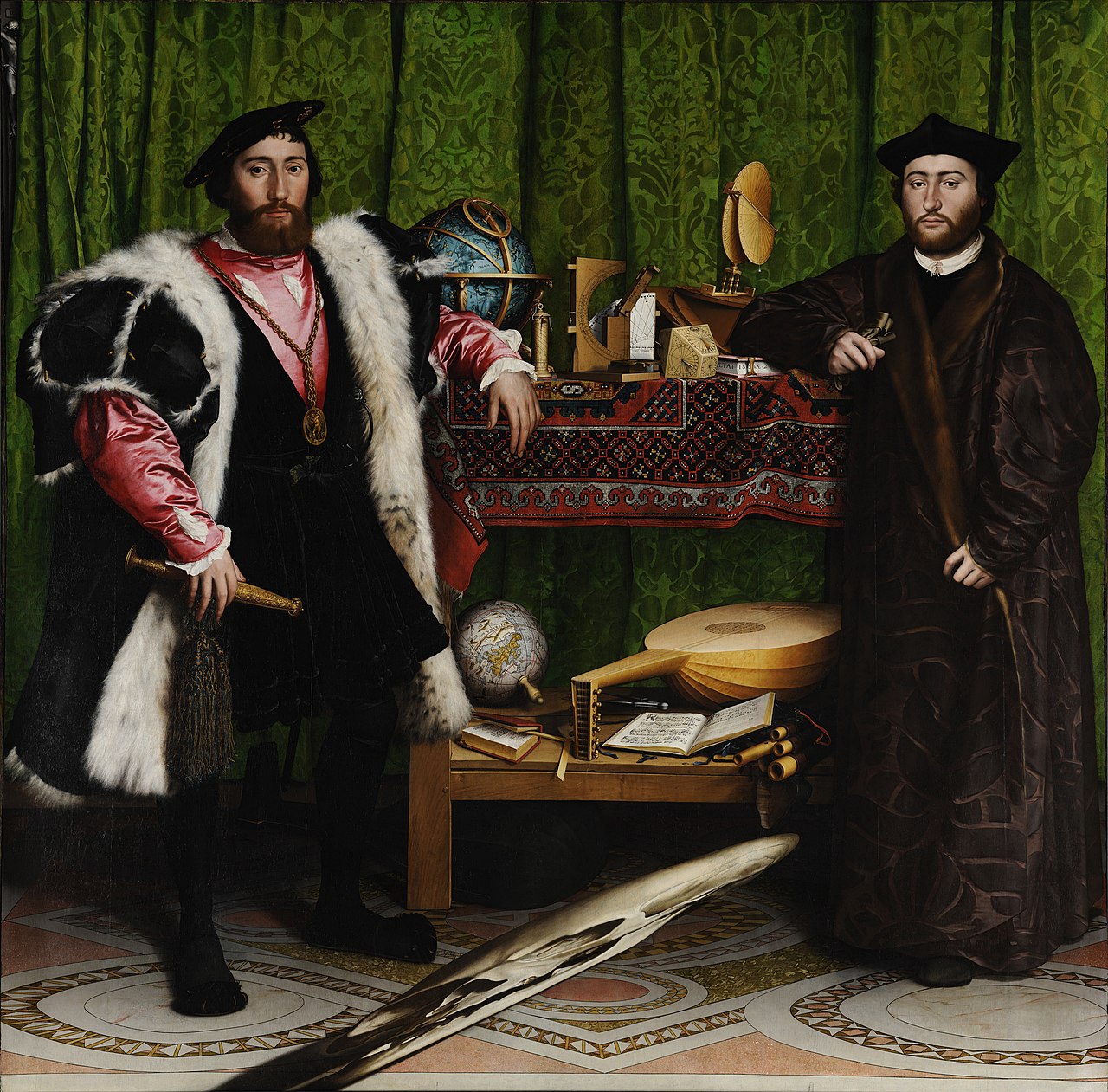
Iconography, as a branch of art history, studies the identification, description and interpretation of the content of images: the subjects depicted, the particular compositions and details used to do so, and other elements that are distinct from arti...
Within the intricate tapestries of medieval imagery lies a sophisticated system of symbols that requires a discerning eye to decode. This branch of study, known as iconography, allows us to identify the subjects depicted and the particular compositions used to convey sacred truths. Every element—from the specific hue of a saint's robe to the placement of a lily—carries a weight of profound meaning. In the Aix Annunciation, for instance, the meticulous rendering of the Virgin Mary receiving the divine messenger Gabriel is not merely a scene of historical importance but a carefully constructed iconographic event designed to communicate the mystery of the Incarnation.
The language of gestures and placement is equally vital. In Duccio’s Maestà, Mary is enthroned as the Queen of Heaven, surrounded by angels and saints in a deliberate echo of Byzantine grandeur. Each figure's posture and positioning within the hierarchy of the composition serves to reinforce the stability of the divine order. To understand these works, one must look beyond the surface beauty to recognize the recurring motifs—the halo representing sanctity, the specific attributes of saints that identify their martyrdom or miracles, and the geometric arrangements that reflect a celestial harmony.
Luminous Materials: The Symbolic Power of Gold Leaf and Pigment
Ferrer Bassa’s ‘The Crucifixion’ – a stunning Gothic panel painting from around 1348. Explore its Byzantine influence, dramatic lighting & symbolic depth of this medieval masterpiece.
The materiality of medieval art was inseparable from its spiritual message. The use of gold leaf was not merely an aesthetic choice for luxury; it represented the incorruptible, divine light of heaven, creating a sense of timelessness that transcended the fleeting nature of human existence. When light hits a gilded surface in a Gothic cathedral or on a portable altarpiece, it creates a shimmering, ethereal atmosphere that suggests the presence of the divine within the material world. This luminous quality was essential in achieving the anagogical goal of lifting the viewer's spirit toward the heavens.
Beyond gold, the chemistry of pigments played a symbolic role. The deep, rich blues derived from lapis lazuli were often reserved for the mantle of the Virgin Mary, signifying her celestial purity and royal status. Similarly, the use of vibrant reds could evoke the passion of Christ or the fire of the Holy Spirit. These colors were applied with meticulous care, often through techniques like glazing to achieve a depth and luminosity that modern prints simply cannot replicate. The physical presence of these precious materials served as a tangible reminder of the glory of the kingdom of God, making the beauty of the image inseparable from the sanctity of the message it carried.
Narrative in Detail: Interpreting Flora, Fauna, and Religious Objects
The Madonna della Candeletta is a stunning oil on panel painting created by the Italian artist Carlo Crivelli in 1490. This beautiful work of art is housed in the prestigious Pinacoteca di Brera in Milan, Italy, and is considered one of the most impo...
In the margins of illuminated manuscripts and within the corners of large-scale panels, a secondary layer of meaning flourishes through the depiction of the natural world. The medieval artist utilized flora and fauna to weave complex allegories into the religious narrative. For example, in works such as Carlo Crivelli’s Madonna della Candeletta, the presence of fruits like apples or oranges scattered throughout the scene adds layers of symbolic depth, often referencing the Fall of Man or the promise of redemption.
Animals, too, were imbued with profound significance. A lamb might represent the innocence and sacrifice of Christ, while a lion could symbolize strength or resurrection. Even the most subtle details, such as the way drapery folds around a figure or the specific type of flower in a garden, were chosen to reinforce theological themes. This attention to detail ensured that even the smallest element of the composition contributed to the larger spiritual discourse, turning every corner of the canvas into a site of contemplation and discovery for the faithful observer.
From Earthly Beauty to Spiritual Truth: The Anagogical Purpose of Medieval Art
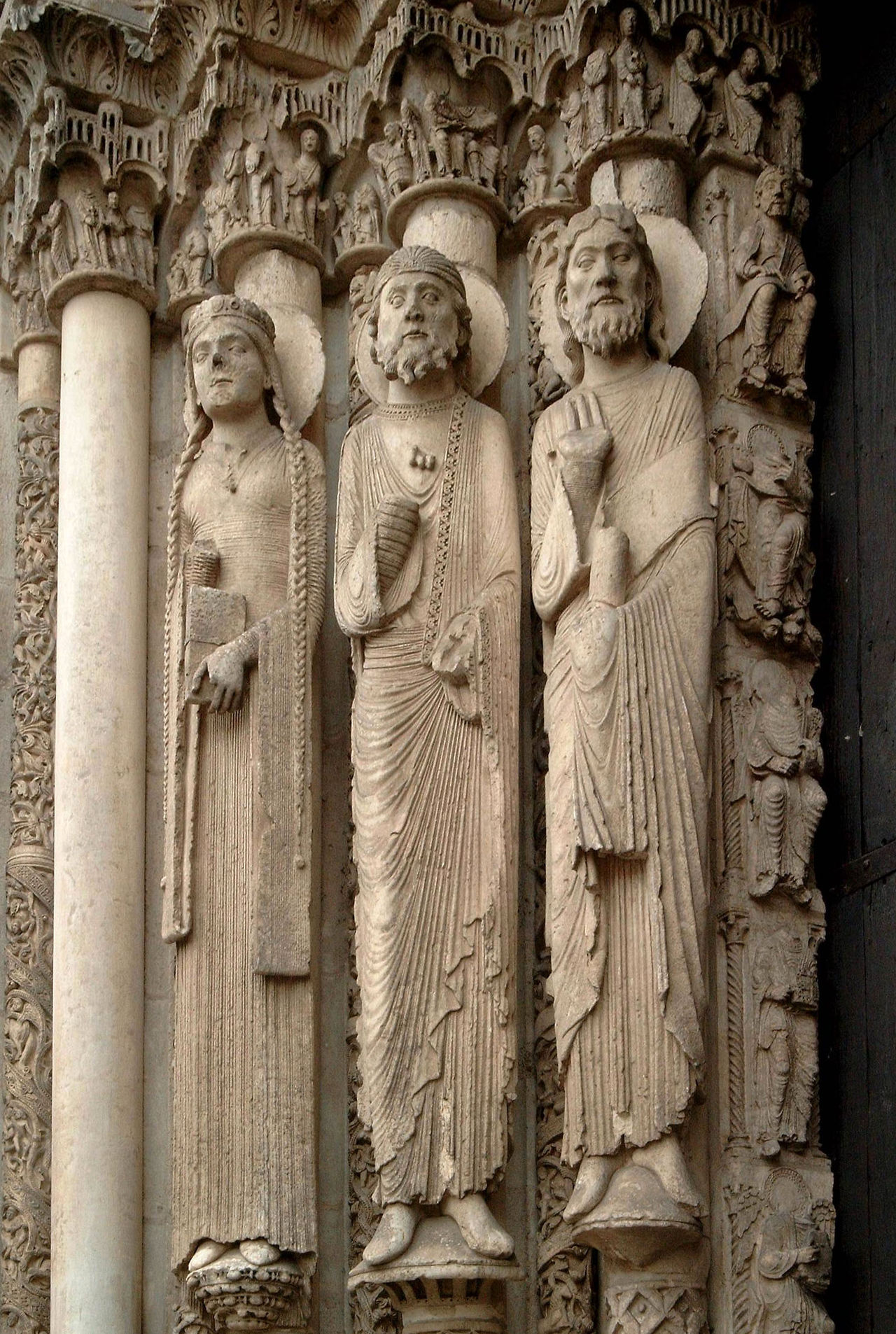
Gothic art was a style of medieval art that developed in Northern France out of Romanesque art in the 12th century, led by the concurrent development of Gothic architecture. It spread to all of Western Europe, and much of Northern, Southern and Centr...
Ultimately, the greatness of High Medieval art lies in its ability to harmonize the physical and the metaphysical. The era established art as a vital component of liturgical life, where the beauty of the image was an essential tool for worship. Whether through the architectural grandeur of the Santa Chiara Monastery or the delicate carvings of the Nottingham Workshop, the goal remained constant: to use the senses to reach the supersensible.
As we reflect on these masterpieces today, we recognize that they were never intended to be mere objects of aesthetic appreciation in a secular sense. They were windows into the eternal. By understanding the hidden language of their symbols, pigments, and compositions, we can once again experience the profound spiritual aspiration that drove the masters of the Gothic era to create works that continue to inspire awe and reverence centuries later.
At OriginalUniqueArt.com, we celebrate this enduring legacy of craftsmanship and devotion. Our studio specializes in creating museum-quality, hand-painted oil reproductions that honor the profound depth and technical brilliance of the Old Masters. From bespoke portraits to large-scale historical commissions, our artists use traditional techniques on 100% cotton canvas to ensure every brushstroke captures the soul of the original. Discover the artistry of the ages through our curated collection of fine art reproductions and custom masterpieces.
Embark on a profound journey through the sacred language of Medieval art. Discover how master painters used iconography, luminous gold leaf, and divine symbolism to bridge the earthly and the eternal in this expert guide for history lovers.
Unlock the secrets of the masters. Explore our expert guide to decoding symbolism and iconography in famous paintings, from sacred religious imagery to the emotional depth of the Symbolist movement. Discover the hidden language behind history's most profound masterpieces.
Explore the transcendent beauty of gold leaf in Byzantine and Renaissance art. Discover how ancient gilding techniques created a celestial glow that continues to inspire luxury interiors and fine art collectors today.
Embark on a scholarly journey through the sacred beauty of High Medieval art. Discover the profound symbolism, luminous iconography, and spiritual depth of Gothic masterpieces in this expert guide for classical art enthusiasts.
Explore the majesty of High Medieval Art. From Gothic cathedrals to gilded altarpieces, discover the era of spiritual grandeur. Expert insights into masterpieces of gold and devotion for art enthusiasts and professional decorators seeking historical elegance.

 Divine Splendor: A Guide to the Sacred Beauty and Symbolic Depth of High Medieval Art
 Iconography
 The Crucifixion, Upper Section Of The Central Panel Of The Great Altarpiece Of Almudaina
 Madonna della Candeletta
 Gothic art


