Gouache Unveiled: The Secrets of This Vibrant, Opaque Masterpiece Medium
Explore the vibrant world of gouache with our expert guide. Discover the history, technical secrets, and unique opacity that distinguish this 'body color' from watercolor. Perfect for art students and connoisseurs seeking to master this profound, matte medium.
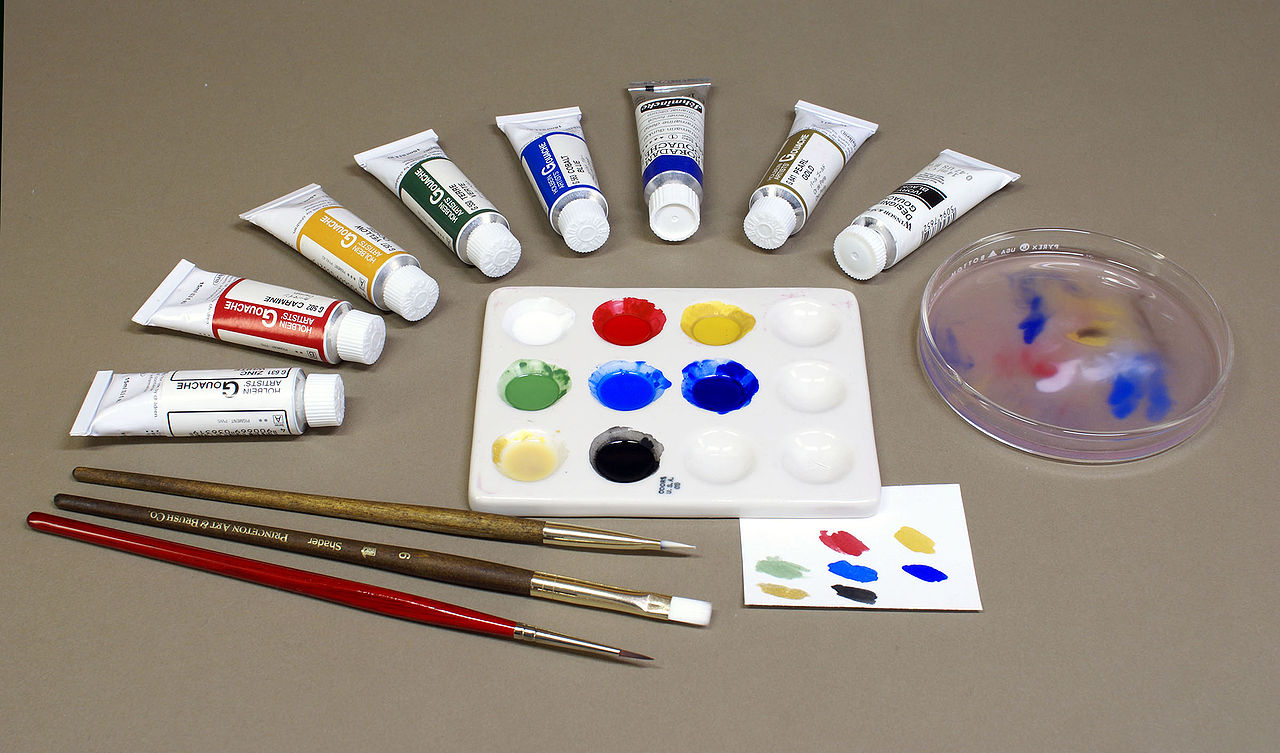
The Essence of Gouache: Understanding the Opaque Power of Body Color Gouache Gouache (; French: [ɡwaʃ]), body color, or opaque watercolor is a water-medium paint consisting of natural pigment, water, a binding agent (usually gum arabic or dextrin), a...
To step into the world of gouache is to discover a medium that possesses a unique, commanding presence on the page. Often referred to by scholars and practitioners as body color, gouache offers a richness that feels both substantial and ethereal. While many water-based mediums rely on the delicate translucency of light passing through thin, watery layers, gouache is defined by its remarkable opacity. It is a paint composed of natural pigments, a water medium, and a binding agent—tradently gum arabic—but with a crucial distinction: it contains additional inert materials or fillers, such as chalk, which provide the necessary "body."
This extra density allows the artist to lay down pigment that completely hides the surface beneath, creating a velvety, matte finish that captures light without reflecting it back in a distracting glare. When you observe a true gouache masterpiece, you are witnessing a dance of solid color and intense saturation. Because the particles are typically larger and the ratio of pigment to binder is much higher than in traditional watercolor, the colors do not merely tint the paper; they sit upon it with a confident, sculptural weight. It is this characteristic that makes gouache an extraordinary tool for those who appreciate art that feels grounded, certain, and visually impactful.
A Lineage of Color: The Twelve-Century History of Body Color
Gouache (; French: [ɡwaʃ]), body color, or opaque watercolor is a water-medium paint consisting of natural pigment, water, a binding agent (usually gum arabic or dextrin), and sometimes additional inert material. Gouache is designed to be opaque. Gou...
The history of gouache is as enduring as the pigments themselves, having been utilized by artists for at least twelve centuries. Its origins are deeply intertwined with the evolution of illumination and manuscript production, where vibrant hues were required to bring religious and historical texts to life. In these early eras, the mastery of pigment control was a painstaking endeavor, demanding a level of precision that would later define the medium's character in more modern contexts.
As art history progressed through the Renaissance and into the Baroque periods, the use of aqueous pigments expanded, yet gouache maintained its specialized niche. While watercolor began to find its voice in landscape studies and botanical illustrations, gouache remained the preferred choice for works requiring flat, opaque color and graphic clarity. This long lineage has allowed the medium to bridge the gap between the delicate, ephemeral sketches of the past and the bold, commercial illustrations of the modern age, proving that its utility is as much about technical necessity as it is about aesthetic choice.
Gouache vs. Watercolor: Navigating Transparency and Pigment Density
Watercolor (American English) or watercolour (Commonwealth English; see spelling differences), also aquarelle (French: [akwaʁɛl]; from Italian diminutive of Latin aqua 'water'), is a painting method in which the paints are made of pigments suspended ...
For the art student, distinguishing between watercolor and gouache is a fundamental lesson in the physics of light. At first glance, they appear siblings; both are water-based mediums where pigments are suspended in a solution of water and gum arabic. Both can be rewetted, both dry to a matte finish, and both can become infused into the fibers of their paper support. However, the divergence lies in how they interact with the light hitting the substrate.
Watercolor is defined by its transparency. This effect is caused by the binder being absorbed by the paper, leaving a top layer of dispersed pigment particles through which the white of the paper shimmers. In contrast, gouache is designed to be opaque. The presence of white fillers like chalk creates a barrier that prevents light from penetrating to the paper. While watercolor relies on reflected light passing through multiple translucent washes to create depth, gouache uses layers of solid color to build form. This makes gouache an ideal medium for those seeking bold, graphic shapes and deep, uninterrupted tones, whereas watercolor remains the sovereign of atmosphere and soft, blooming light.
Mastering the Matte Finish: Essential Techniques for the Modern Student
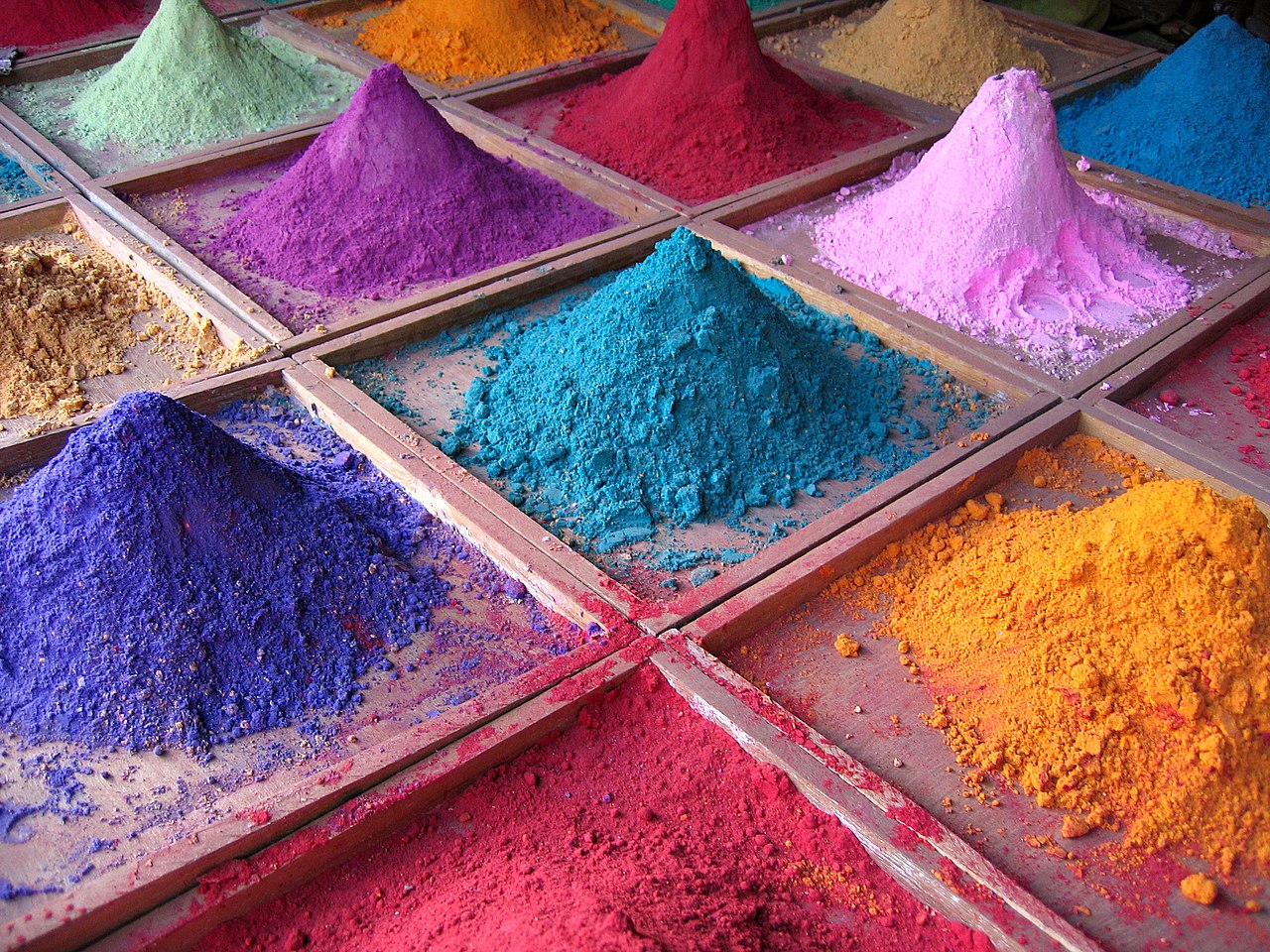
A pigment is a chemical compound that gives a substance or organism color, or is used by humans to add or alter color or change visual appearance. Pigments are nearly or completely insoluble and chemically unreactive in water or another medium; in co...
Working with gouache requires a unique technical vocabulary, particularly regarding color shifts during the drying process. One of the most challenging aspects for the novice is that gouache generally dries to a value that differs from its wet state; typically, lighter tones tend to dry darker, while darker tones may appear slightly lighter. This unpredictability demands a disciplined approach to color matching and layering.
To master this medium, one must embrace the concept of controlled fluidity. Because the paint can be applied in thick, opaque layers or diluted into thin washes, the artist has a dual capability: they can mimic the transparency of watercolor or achieve the heavy coverage of acrylic. Successful practice involves managing the "re-wettability" of the paint—the ability to manipulate dried layers with a wet brush without lifting the underlying pigment entirely. For those looking to capture the essence of historical masters, understanding this balance between the fluid and the fixed is the key to achieving that signature velvety texture that defines the medium.
From Illustration to Fine Art: The Commercial and Academic Legacy
Discover "Illustration # 34" by Maria Bożöky – a captivating Hungarian illustration from an unknown date. Explore her unique artistic style & historical significance.
Throughout the nineteenth and twentieth centuries, gouache found a consistent home among commercial artists. Its quick drying time and high opacity made it the indispensable tool for posters, illustrations, comics, and design work. This era of mass communication relied on the medium's ability to produce striking, high-contrast imagery that could be reproduced with clarity. The bold, flat planes of color characteristic of mid-century advertising were often born from the gouache palette.
Yet, despite its commercial utility, gouache has never been sidelined from the realm of fine art. It has been used by visionaries to push the boundaries of modern abstraction and graphic expression. Today, it exists in a beautiful tension between the functional and the expressive. For collectors and students alike, studying gouache allows for an appreciation of how a medium can serve both the rapid demands of the illustrator and the profound, contemplative needs of the fine artist, creating works that are as much about technical precision as they are about emotional resonance.
Preserving the Vibrancy: Care and Longevity for Aqueous Masterpieces
As with any work involving organic binders and natural pigments, the preservation of gouache is paramount. Because the paint layer can be somewhat brittle once dried, protecting the artwork from extreme environmental shifts is essential. To ensure that the deep, matte colors remain as vibrant as the day they were applied, one must guard against excessive moisture and direct, harsh sunlight, which can lead to fading or cracking of the pigment surface.
For those who cherish high-quality reproductions or original works, proper framing is a vital component of stewardship. Using acid-free matting to create an air gap between the artwork and the glass prevents moisture entrapment, which is critical for water-based mediums. When handled with the same respect as oil paintings—utilizing archival-quality varnishes and stable environments—the opaque beauty of gouache can endure for generations, allowing the intense saturation and velvety textures to continue inspiring viewers long into the future.
At OriginalUniqueArt.com, we celebrate the technical mastery of all great mediums. If you find yourself moved by the bold textures of historical works, we invite you to explore our collection of hand-painted oil reproductions, where our artists bring the depth and soul of the masters to life on 100% cotton canvas.
Unlock the bold energy of watercolor art. From historical masterpieces to custom photo-to-watercolor transformations, discover how to master the fluid power of light and pigment for your modern space. Expertly curated, high-impact art for the contemporary collector.
Journey through history with 10 legendary gouache masterpieces that redefined art. Explore the vibrant techniques and stories behind these iconic works. Find museum-quality reproductions and curated decor inspiration at OriginalUniqueArt.com. Discover all masterpieces on OriginalUniqueArt.com
Master the art of preservation with our expert guide. Learn professional techniques for cleaning, handling, and protecting your fine art collection from light, humidity, and damage to ensure your masterpieces remain vibrant for generations.
Journey through art history with 10 legendary gouache masterpieces. Explore the vibrant techniques and stories behind these iconic works. Find museum-quality art reproductions and curated decor inspiration for your home. Discover all masterpieces on OriginalUniqueArt.com.
Master the opaque power of gouache with our expert guide for hotel designers. Learn professional techniques for layering, texture, and color selection to elevate hospitality interiors through high-impact, water-based art procurement and custom large-scale commissions.

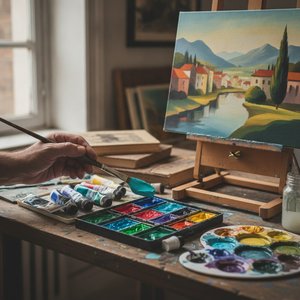 Discover Gouache: The Expert Guide to the Vibrant, Opaque Secret of Masterful Artistry
 Gouache
 Watercolor painting
 Pigment
 Illustration # 34


