Beyond Reality: The Emotional Power and Spiritual Depth of Expressionist Landscapes
Explore the profound emotional depth of Expressionist landscapes. From Franz Marc to Cézanne, discover how masters moved beyond reality to capture the human soul through color and form. Expert art history insights for collectors and enthusiasts.
Introduction To stand before a landscape painting is to engage in a silent, profound dialogue with the earth itself. It is an invitation to step beyond the threshold of our modern, often frenetic existence and lose oneself in the quiet majesty of a d...
To stand before a landscape painting is to engage in a silent, profound dialogue with the earth itself. For centuries, the genre served as a window into the physical world, capturing the meticulous, topographical precision of the Old Masters and the sweeping, allegorical vistas of the Romantic era. In these earlier traditions, every mountain peak and winding river was often imbued with religious or mythological significance, where the natural scenery acted as a stage for divine revelation. However, as the nineteenth century progressed, the purpose of the landscape underwent a seismic shift. It ceased to be merely a record of geographical accuracy and began to transform into a mirror reflecting our deepest spiritual aspirations and evolving relationship with the natural world.
This transition marked the movement away from what the eye sees toward what the soul feels. The landscape became less about the literal depiction of mountains, valleys, and forests and more about the tension, the rhythm, and the atmosphere of existence. This evolution represents a move from the objective to the subjective, where the artist’s internal landscape—their fears, joys, and spiritual yearnings—began to bleed into the depiction of the external world. It is within this profound metamorphosis that we find the seeds of modernism, as artists began to dismantle the rigid constraints of academic realism to seek a more authentic, albeit less literal, truth.
The Impressionist Foundation: Capturing Light as a Prelude to Emotion
A Sanctuary of Light: The Musée de l'Orangerie Nestled within the tranquil embrace of the Tuileries Garden in Paris, the Musée de l’Orangerie is more than a repository of masterpieces; it is an immersive experience, a sanctuary dedicated to the ether...
Before the radical distortions of Expressionism could take hold, the art world had to first experience the luminous revolution of the Impressionists. In the mid-1s800s, a group of rebels in France sought to dismantle the somber, heavy conventions of the Academy, focusing instead on the fleeting, ephemeral qualities of light and atmosphere. Artists like Claude Monet established a new visual language, one that prioritized the way sunlight dances upon water or how a morning mist softens the contours of a garden. This period was characterized by a relentless pursuit of capturing the essence of light—a luminous world where the boundaries of objects became fluid and permeable.
While Impressionism remained tethered to the observation of nature, it provided the essential technical and philosophical groundwork for what was to come. The movement introduced the importance of broken brushstrokes and a vibrant, unblended palette, teaching viewers to perceive color not as static properties of objects, but as dynamic effects of light. At the Musée de l’Orangerie, one can still experience this immersive dream through Monet’s Water Lilies, where the scale and technique create an environment that transcends traditional viewing. This focus on the sensory experience of nature paved the way for Post-Impressionists like Paul Cézanne, who began to wrestle with how these observations resonated within the space between memory and perception, adding a layer of structural intensity and emotional weight to the fleeting light of his predecessors.
The Expressionist Revolution: Translating the Subconscious onto Canvas
Landscape: Foothills of the Alps – A Vision of Tranquility Franz Marc’s “Landscape: Foothills of the Alps” (1909) stands as a cornerstone of German Expressionism, embodying the movement's core belief in conveying emotion and spiritual insight through...
As we move into the early twentieth century, the landscape undergoes its most dramatic transformation through German Expressionism. This movement emerged as a powerful reaction against both academic realism and the perceived superficiality of Impressionism. For artists such as Franz Marc, the landscape was no longer a subject to be observed from a distance, but an invitation to contemplate profound spiritual insights. In works like Landscape: Foothills of the Alps (1909), we see the rejection of literal form in favor of an emotive, symbolic representation. The technique often employed wet-on-wet layering and loose, expressive brushstrokes that prioritized feeling over precise detail, creating an atmospheric haze that suggests a world vibrating with hidden energy.
Expressionism sought to tap into the subconscious, using the natural world as a conduit for primal forces. This was not a depiction of a specific place, but an exploration of the spiritual connection between humanity and nature. The use of distorted shapes and exaggerated forms served to communicate the internal psychological state of the artist. By moving beyond the horizon of reality, Expressionist painters were able to capture the raw, often turbulent essence of existence, turning the landscape into a visceral experience of movement, tension, and spiritual truth. It is a style that demands much from the viewer, requiring an engagement with the unseen forces that move beneath the surface of the visible world.
Color and Soul: The Psychological Impact of the Expressionist Palette
Color psychology is the study of colors and hues as a determinant of human behavior. Color influences perceptions that are not obvious, such as the taste of food. Colors have qualities that may cause certain emotions in people. How color influences i...
Central to the power of Expressionist landscapes is the sophisticated use of color theory and psychology. Unlike the naturalistic palettes of the past, Expressionists utilized color as a primary tool for emotional manipulation and symbolic communication. They understood that certain hues possess inherent qualities that can evoke specific human emotions—a concept deeply rooted in the study of how color influences perception and behavior. Through the strategic use of contrast, harmony, and saturation, these artists could induce feelings of tranquility, anxiety, or even spiritual ecstasy within the viewer.
The palette of an Expressionist work is often bold and non-naturalistic, using vibrant, clashing colors to create a sense of visual vibration. This approach allows the artist to bypass the intellect and speak directly to the emotions. For instance, the use of deep blues might evoke a sense of profound melancholy or infinite space, while sudden bursts of fiery reds and yellows can represent the untamed energy of life itself. This mastery of color transforms the canvas from a mere depiction of scenery into a psychological landscape, where every pigment is a deliberate choice intended to resonate with the human spirit, much like the way a composer uses tone to evoke a specific movement in a symphony.
The Enduring Legacy: How Expressionist Landscapes Redefine Our Connection to Nature
The Impressionist Foundation: Capturing Light Before the Revolution Landscape painting Landscape painting, also known as landscape art, is the depiction in painting of natural scenery such as mountains, valleys, rivers, trees, and forests, especially...
Today, as we navigate an increasingly urbanized and digital existence, the emotive power of Expressionist landscapes resonates with a renewed and poignant urgency. These works offer us a sanctuary of permanence in a world characterized by fleeting moments and rapid change. They remind us of the enduring beauty and the fragile ecology that sustains us, providing a window into a more primal, connected way of being. The legacy of these masters lives on not just in museums, but in our continued desire to find meaning within the natural world and to express our deepest truths through the medium of art.
For those who wish to bring this profound emotional depth into their own lives, the beauty of these masterpieces can be captured through meticulous craftsmanship. At OriginalUniqueArt.com, we specialize in creating high-quality, hand-painted oil reproductions that honor the soul of the original works. Our artists, holding degrees from prestigious academies, use 100% cotton canvas and traditional techniques to ensure that every brushstroke and tonal variation is preserved. Whether you are drawn to the structural intensity of a Cézanne or the spiritual vibrations of a Franz Marc, our museum-grade reproductions allow you to transform your space into a sanctuary of historical and emotional significance. From custom "remixed" portraits to large-scale architectural murals, we invite you to experience the enduring power of art history in your own home.
Embark on a sensory journey through Impressionism. Discover the luminous mastery of Monet and Renoir, explore the emotional depth of Post-Impressionism, and learn how to bring these timeless, hand-painted masterpieces into your home with expert art consultation.
Explore the profound emotional depth of Expressionism. From Edvard Munch to Jawlensky, discover how artists used color and distortion to reveal subjective truths beyond the visible world. A deep dive into the soul of modern art for the discerning collector.
Explore the profound emotional depth of Expressionist landscapes. From Munch to Kirchner, discover how bold colors and distorted forms redefine reality through art history's most evocative masterpieces.
Explore the profound history of landscape painting with our expert guide. From Impressionist light to Chinese traditions, discover the techniques behind the world's most iconic vistas and learn how to bring museum-quality masterpieces into your home through fine oil reproductions.

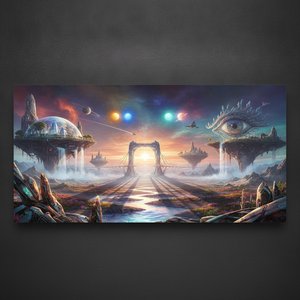 Beyond the Horizon: 10 Masterpieces That Redefine Landscape Art
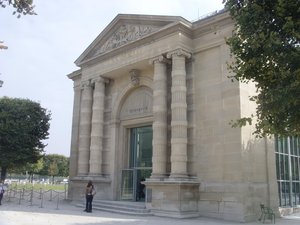 Musee de l'Orangerie
 Landscape: Foothills of the Alps
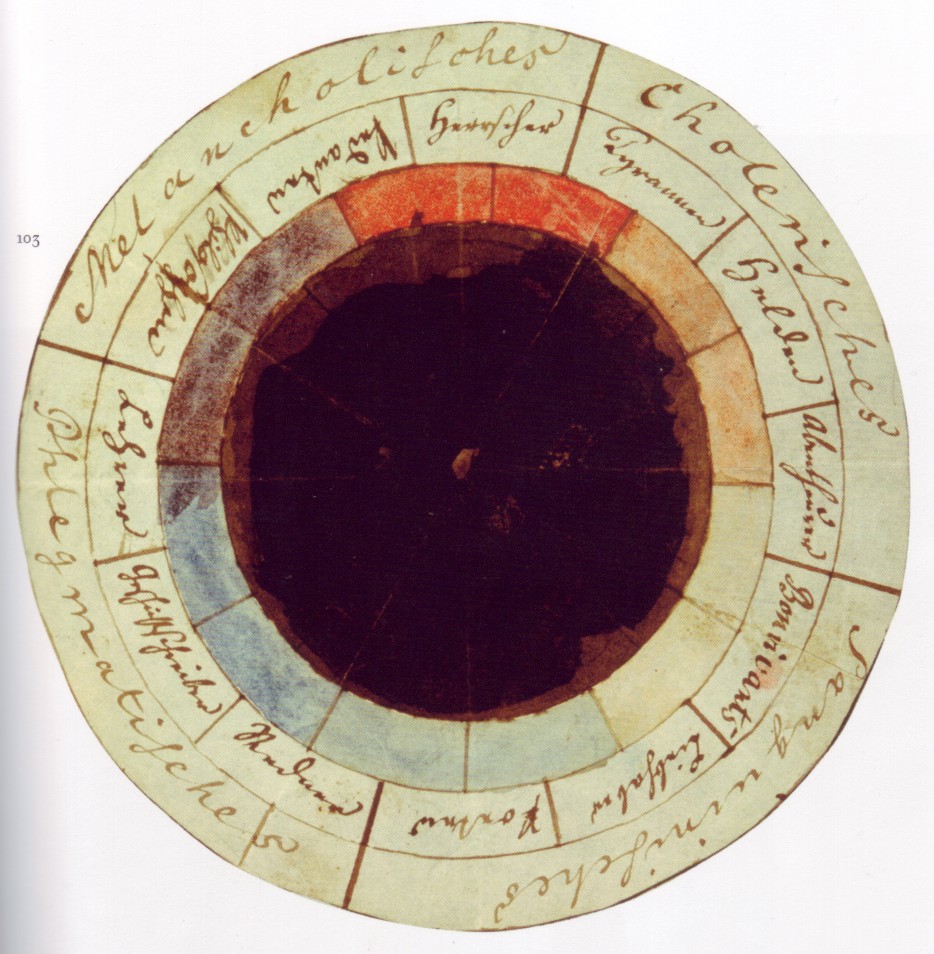 Color psychology
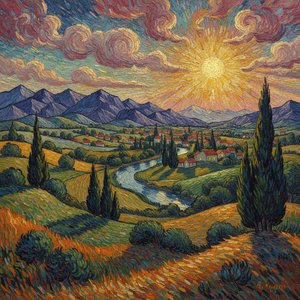 Beyond Impressionism: The Emotional Depth and Vibrant Evolution of Post-Impressionist Landscapes


