Curating Grandeur: The Impact of Baroque Masterpieces on Hotel Interior Design
 Baroque Masterpieces: 10 Paintings That Defined an Era |
Introduction To gaze upon the masterpieces of the Baroque is to step into a world ablaze with drama, emotion, and an almost overwhelming sense of grandeur. This wasn’t merely a style; it was a cultural earthquake, reshaping art, architecture, music, ...
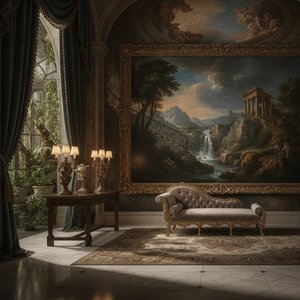
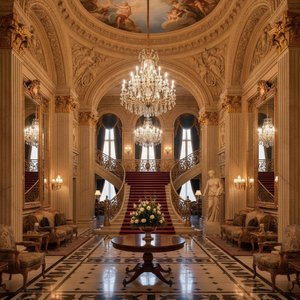
To step into a lobby adorned with the echoes of the Baroque is to undergo an immediate sensory transformation. For the discerning hotel designer, art is never merely decorative; it is an architectural instrument used to command presence and establish a narrative of prestige. The Baroque era, born from the intense religious fervor of the Counter-Reical Reformation, was specifically engineered to move the soul through drama, scale, and an almost overwhelming sense of grandeur. When we integrate works reminiscent of masters like Guido Reni or Carlo Maratta into modern hospitality environments, we are not simply hanging paintings; we are introducing a cultural earthquake that reshapes the very atmosphere of the space.
The power of these masterpieces lies in their ability to manipulate light and shadow, a technique known as chiaroscuro. Imagine a high-ceilinged lounge where the deep, velvety blacks of a Reni-inspired composition meet the warm, ambient glow of contemporary lighting. The tension between light and dark creates a psychological depth that invites guests to linger, fostering an environment of contemplation and awe. By utilizing the dramatic compositions characteristic of this era—where figures emerge from obscurity with breathtaking realism—designers can create focal points that anchor expansive lobbies, turning transient corridors into galleries of profound emotional resonance.
Strategic Sourcing: Selecting Large-Scale Reproductions for High-Traffic Hospitality Spaces
 Carlo Maratta
A Roman Master of the Baroque Classicizing Style Carlo Maratta, often known as Maratti, stands as a pivotal figure in 17th-century Italian painting, embodying the transition from the High Baroque to a more refined and classically inspired aesthetic. ...
For procurement managers and hospitality professionals, the challenge of art selection lies in balancing aesthetic ambition with operational reality. Sourcing large-scale reproductions requires a strategic approach that considers both the visual impact and the durability required for high-traffic environments. The Baroque style is particularly suited for this purpose, as its inherent scale and bold brushwork are designed to be legible from a distance, making it ideal for grand staircases, expansive dining halls, and monumental entranceways.
When selecting pieces, one must look beyond the surface subject matter to the technical execution of the era. A successful selection might involve works that embody the transition from High Baroque to the more refined, classical aesthetics of artists like Carlo Maratta. These pieces offer a sophisticated balance of movement and order, providing a sense of stability to a room without sacrificing the dynamic energy that defines luxury. For the professional buyer, the goal is to find reproductions that maintain the integrity of the original's texture—the visible impasto and rich tonal ranges—ensuring that even in large formats, the artwork retains its "soul" and does not descend into the flat, lifeless appearance of a mere print.
Technical Specifications: Custom Sizing, Multi-Panel Layouts, and Architectural Integration
 Jesuit Church
A Baroque Gem: The Jesuit Church of Mannheim The Jesuit Church in Mannheim stands as a testament to the grandeur and artistic fervor of the Baroque period, offering visitors an unparalleled glimpse into both religious devotion and masterful architect...
The true mastery of modern art procurement for large-scale projects is found in the ability to manipulate scale to fit specific architectural constraints. A single, massive canvas can be daunting or even physically impossible to install in certain historic renovations; however, the "multi-panel" trend offers a sophisticated solution. By splitting a singular Baroque composition across three, four, or five panels, designers can create a panoramic effect that follows the rhythm of a long hallway or wraps around a curved wall. This technique allows for a seamless flow of color and brushstroke across an expansive surface, providing a cohesive, modern architectural look that feels integrated into the building's very bones.
Furthermore, the integration of art can extend to the ceiling through the use of large-format murals and frescoes. Much like the breathtaking ceilings of the Jesuit Church in Mannheim, these works are painted on massive canvas rolls and can be installed similarly to high-end wallpaper. This allows a designer to recreate the celestial grandeur of a historical era within a contemporary structure. For more complex installations, the use of custom framing—ranging from gold leaf to deep espresso wood—and engineered canvas wraps ensures that the artwork is not just an addition to the room, but a structural component of the design itself.
Operational Efficiency: Managing Bulk Orders, Custom Commissions, and Global Logistics
 Saint Simon
Admire Jean-Baptiste Jouvenet’s ‘Saint Simon,’ a dramatic Baroque masterpiece showcasing naturalism & religious fervor. Hand-painted reproduction available.
In the high-pressure world of hotel development, efficiency is as critical as aesthetics. Procurement managers require a reliable supply chain that can handle volume without compromising on quality. This necessitates a system built for repeatability and precision. The ideal professional workflow involves a streamlined order management process where status updates are delivered via SMS or email, allowing for real-time tracking of large-scale shipments. Whether managing a single flagship installation or a multi-property rollout, the ability to access digital mockups is essential to remove uncertainty before the first brushstroke touches the canvas.
Customization serves as a vital tool in this operational toolkit. The ability to "remix" art history—such as requesting a specific color palette to match new upholstery or even transforming a modern photograph into a 17th-century masterpiece through a "Period Shift"—allows designers to achieve a bespoke look within a predictable budget and timeline. When managing international projects, the logistics must be equally robust. Reliable global shipping via partners like DHL Express or FedEx, coupled with clear support for customs and VAT documentation, ensures that art arrives on schedule, ready for installation, regardless of the destination's geographic complexity.
Quality Assurance and Longevity: Ensuring Durability in Commercial Art Installations
What we call the “baroque” is an art historical period and style spanning the 17th and most of the 18th centuries that originated in Europe but manifested ...
The longevity of an art investment in a commercial setting is measured by its resistance to the elements and the passage of time. For hospitality spaces, where light exposure and atmospheric changes are constant, the chemistry of the artwork is paramount. High-quality reproductions must be executed on 100% cotton canvas using professional-grade materials, such as flexible gesso to prevent cracking and specific oils like safflower to ensure that whites do not yellow over decades. A final protective coat of Damar varnish is not merely a finishing touch; it is a necessary shield against dust, moisture, and the pollutants inherent in public spaces.
True quality assurance extends from the artist's studio to the final installation. This includes rigorous pre-shipment photo approvals, where the Project Coordinator and the client can request adjustments to color or composition before the work leaves the studio. For the professional designer, this level of oversight guarantees that the delivered product meets museum-grade standards. By prioritizing works with deep tonal ranges, tactile textures, and archival-quality inks or oils, hospitality leaders can ensure that their chosen masterpieces remain as vibrant and commanding on their tenth anniversary as they were on the day of their grand unveiling.