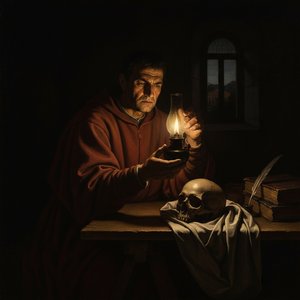
The Essence of Chiaroscuro: Defining the Interplay of Light and Dark
Chiaroscuro is far more than a mere artistic technique; it is the profound art of sculpting with light. Derived from the Italian words for light and dark, this method allows an artist to breathe three-dimensional life into a two-dimensional plane. By carefully managing the transition between illuminated surfaces and deep, receding shadows, painters can create a sense of volume, weight, and physical presence that feels almost tangible to the viewer. While chiaroscuro serves as a broad term for using light to enhance the illusion of three-dimensionality, it finds its most extreme and theatrical expression in a specialized style known as tenebrism. In tenebrism, darkness is not simply an absence of light but a dominating, atmospheric force—a heavy, mysterious shroud that swallows the periphery and forces the viewer’s gaze toward a singular, brightly lit subject. This interplay creates a tension that is both visually arresting and emotionally charged, setting the stage for some of the most iconic moments in Western art history.Caravaggio and the Tenebrist Revolution: The Birth of Dramatic Illumination
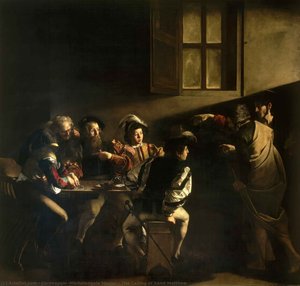 The Calling of Saint Matthew
A Revolutionary Moment in Baroque Art Michelangelo Merisi da Caravaggio’s “The Calling of Saint Matthew” (1599) stands as a pivotal work within the Baroque period. Measuring an impressive 322 x 340 cm, this canvas doesn't portray a miraculous event i...
From Renaissance Harmony to Baroque Intensity: A Shift in Artistic Sensibility
 Baroque
The Baroque (UK: bə-ROK, US: bə-ROHK, French: [baʁɔk]) is a Western style of architecture, music, dance, painting, sculpture, poetry, and other arts that flourished from the early 1600s until the 1750s. It followed Renaissance art and Mannerism and p...
Sculpting Emotion: How Shadow Shapes Psychological Realism
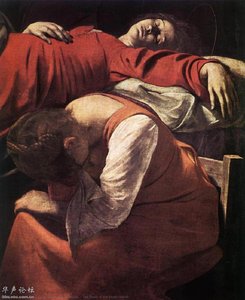 The Death of the Virgin (detail)
The Haunting Beauty of Caravaggio’s “Death of the Virgin” Michelangelo Merisi da Caravaggio's "Death of the Virgin," painted in 1605, is not merely a depiction of mortality; it’s an immersive experience of grief, faith, and profound human emotion. Th...
Timeless Shadows: Bringing Masterful Contrast into the Modern Interior
The dramatic allure of the Baroque era continues to resonate in contemporary design, offering a sophisticated way to introduce depth and character to a modern space. A well-placed reproduction of a classical masterpiece can serve as a profound focal point, commanding attention through its rich tonal range and historical weight. At Most-Famous-Learned-Paintings.com, we specialize in preserving this legacy through our premium, hand-painted oil reproductions. Unlike mass-produced prints that lack tactile depth, our works are meticulously crafted to honor the original artist's hand.Our process is designed for the discerning collector who values both historical accuracy and artisanal excellence:
- Authentic Craftsmanship: Every piece is 100% hand-painted on fine cotton canvas, ensuring visible brushstrokes and a deeper tonal range that captures the true soul of the artwork.
- Bespoke Customization: We offer the unique ability to "remix" art history, allowing you to request custom color matching or even transform personal photographs into the dramatic style of the Old Masters.
- A Rigorous Six-Step Journey: From your initial order and digital mockup approval to the final hand-varnished finish and secure global delivery via DHL or FedEx, we ensure museum-grade quality at every stage.
- Architectural Integration: For those seeking a grander statement, we provide large-format murals and multi-panel layouts that can transform entire walls into galleries of light and shadow.