The Art of Atmosphere: Defining Brand Identity Through Curated Visual Narratives
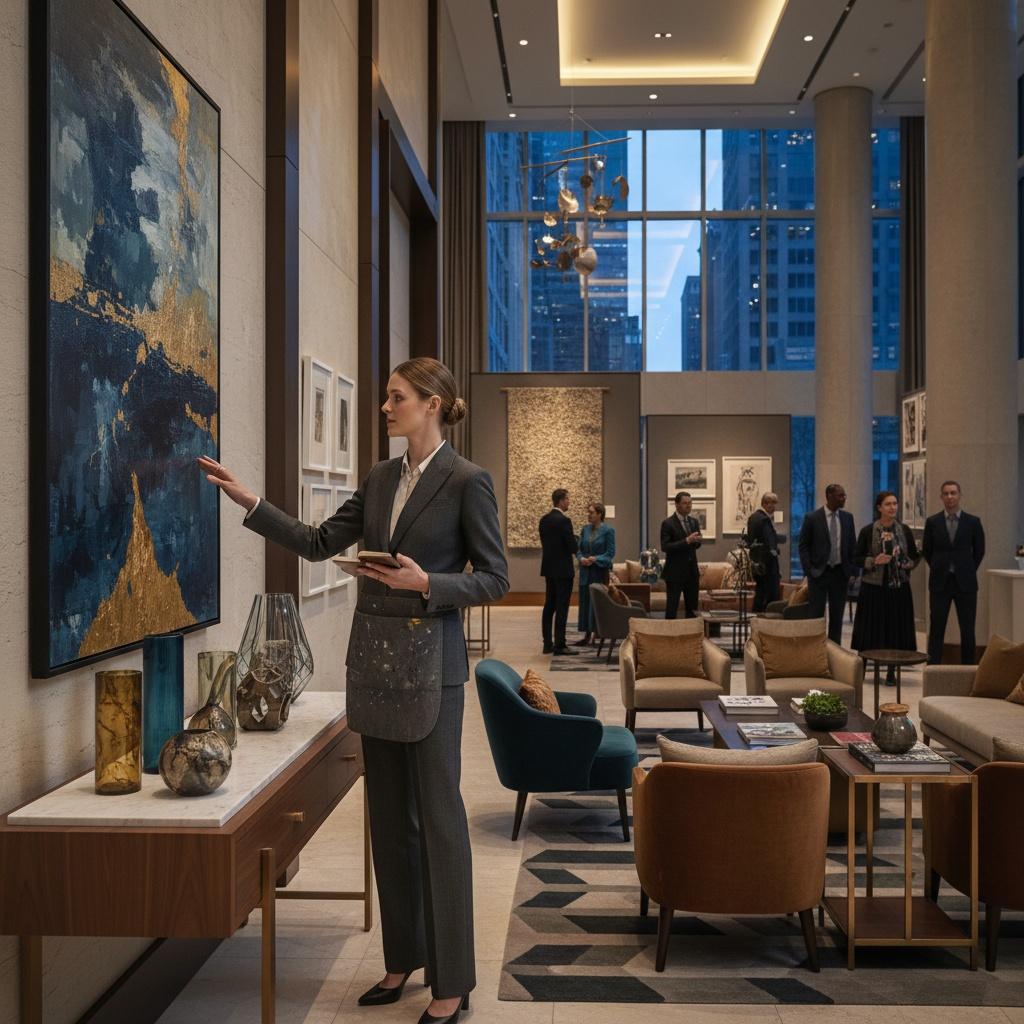
In the realm of luxury hospitality, a hotel is far more than a collection of premium amenities and architectural prowess; it is a sensory journey designed to evoke a specific emotional resonance. For the discerning designer, the challenge lies in transcending mere decoration to achieve true atmospheric storytelling. The walls of a grand lobby or a private suite serve as the silent narrators of a brand’s heritage and ambition. When we curate art for these spaces, we are not simply filling voids; we and engaging in the creation of a visual lexicon. A carefully selected piece—perhaps a serene landscape that whispers of tranquility or a bold, avant-garde abstraction that commands attention—acts as an anchor for the guest's experience, establishing an immediate sense of place and prestige.
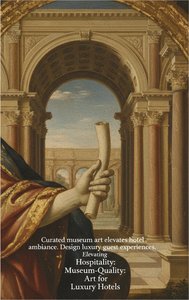
To achieve this level of depth, one must look beyond the surface. The selection of art requires an understanding of how historical symbolism can be repurposed to meet modern luxury standards. Consider the profound impact of a period-correct reproduction that brings the weight of history into a contemporary setting. By weaving together disparate eras through thoughtful curation, a designer can create a layered, sophisticated environment that feels both timeless and cutting-edge. This narrative continuity is what separates a well-furnished room from a curated sanctuary, turning transient spaces into memorable destinations.
Architectural Integration: From Grand Murals to Bespoke Multi-Panel Installations
The true mastery of interior design is revealed in the seamless integration of art and architecture. In large-scale hospitality projects, standard-sized frames often fail to capture the sheer scale of soaring ceilings or expansive corridors. This is where the concept of architectural art becomes transformative. The use of massive canvas rolls to create custom murals or ceiling frescoes allows a designer to reimagine the very bones of a structure. Imagine a hotel ballroom where the ceiling is not merely a surface, but a breathtaking expanse of light and color, reminiscent of the Sistine Chapel, executed with modern precision. Such installations demand a level of technical sophistication that respects the structural integrity of the space while pushing the boundaries of visual perception.
Furthermore, the contemporary trend toward multi-panel or group set paintings offers a dynamic solution for wide walls and grand staircases. By splitting a singular, powerful image across three, four, or even five panels, the artwork breathes with the architecture. This technique creates a rhythmic flow that guides the eye through a space, much like a musical composition. These installations allow for a modular approach to luxury, where the art becomes an extension of the room's geometry, ensuring that the visual impact is both expansive and meticulously controlled.
Materiality and Texture: The Sensory Impact of Hand-Painted Oil Reproductions vs. Giclée Prints
In a world increasingly dominated by the flat and the digital, the tactile dimension of art provides an essential layer of luxury. For the hotel designer, understanding the distinction between different mediums is critical to achieving the desired sensory depth. A Giclée print, with its incredible color accuracy and longevity, offers a sophisticated solution for consistent branding across multiple locations. These prints are marvels of science, utilizing 12-color pigment-based inks that ensure vibrancy for decades. However, they remain inherently two-dimensional, offering a smooth, polished finish that suits modern, minimalist aesthetics.
In contrast, the handmade oil reproduction introduces a "living" quality to a space. The true soul of an oil painting lies in its impasto—the visible, tactile brushstrokes and the physical build-up of multiple paint layers. When a guest encounters a hand-painted canvas, they are met with a three-dimensional texture that catches the light differently from every angle. This interplay of shadow and pigment creates a sense of movement and depth that a flat print simply cannot replicate. The use of premium pigments and heavy-duty cotton canvas ensures that this texture remains resilient, providing a sense of permanence and artisanal value that elevates the entire interior composition.
Strategic Curation: Balancing Period Masterpieces with Modern Pop Art and Abstract Expressions
A sophisticated interior thrives on the tension between the familiar and the unexpected. A design strategy that relies solely on classical works may feel overly traditional or museum-like, while an exclusively modern approach can lack historical weight. The most successful hospitality environments utilize a curated balance. One might pair the structured, iconic Pop Art style of Roy Lichtenstein—which brings a sense of playful, contemporary energy—with the delicate, organic lines of Art Nouveau or the light-drenched Impressionism of Monet.
This strategic juxtaposition allows for a more complex and engaging environment. For instance, placing a vibrant, modern piece within a room characterized by classical architectural moldings creates a "period shift" that feels intentional and avant-garde. This approach also allows designers to utilize color as a unifying thread; by selecting works from different eras that share a common palette, one can achieve a cohesive aesthetic that remains visually stimulating. The goal is to create a dialogue between the art pieces, where each era informs and enhances the other, resulting in a space that feels curated rather than merely decorated.
The Designer’s Toolkit: Utilizing Digital Mockups and Custom Color Matching for Large-Scale Projects
Executing large-scale commissions requires more than just an eye for beauty; it requires rigorous technical planning. The uncertainty of how a massive canvas or a multi-panel installation will interact with specific lighting and furniture can be a significant hurdle in the design process. This is where professional digital mockup services become indispensable. By digitally placing artwork onto high-resolution photographs of the actual site, designers can visualize composition, scale, and impact before a single brushstroke is applied. This stage allows for unlimited revisions, ensuring that the final piece aligns perfectly with the architectural intent.
Beyond placement, the ability to customize art through color matching is a vital tool for bespoke design. Whether it is adjusting the tones of a landscape to complement a specific velvet upholstery or requesting a "remix" where a modern photograph is reimagined in the style of a 17th-century master, these customization options provide unparalleled creative freedom. This level of precision ensures that every element of the room—from the floor textiles to the ceiling frescoes—works in absolute harmony, creating a seamless and luxurious environment that stands as a testament to the designer's vision.
For professionals seeking to realize these ambitious visions, OriginalUniqueArt.com offers an unparalleled partnership. From bespoke oil reproductions and large-format murals to expert art consultations and custom commissions, we provide the technical expertise and artistic mastery required to transform hospitality spaces into legendary destinations. Our global reach and commitment to museum-grade quality ensure that your design legacy is etched in every brushstroke.