The Golden Light of Provence: An Introduction to Arles' Artistic Soul
To step into the landscape of Arles is to enter a realm where light does not merely illuminate, but actively participates in the creation of reality. Nestled in the heart of Provence, this historic town has long served as a sanctuary for those seeking a profound connection with the natural world. The atmosphere here is characterized by a certain luminous intensity, a warmth that seems to seep into the very stones of the Roman amphitheater and the vibrant facades of the local architecture. For the art enthusiast, Arles represents more than just a geographical location; it is a sensory experience where the boundaries between the earth and the sky appear to dissolve under the weight of a persistent, golden sun.
This unique Mediterranean climate provides a canvas of unparalleled brilliance. The light in Arles possesses a transformative quality, capable of turning a simple field of wheat into a shimmering sea of gold or casting long, dramatic shadows that lend a sense of theatricality to the most mundane rural scenes. It is this specific, atmospheric alchemy that has drawn creators for centuries, inviting them to translate the ephemeral dance of sun and shadow into something permanent and profound. As we wander through the history of this region, we find that the light of Arles acts as a silent protagonist in every masterpiece born from its soil.
Van Gogh in Arles: Capturing the Vibrancy of the Southern Landscape
No name is more inextricably linked to the sun-drenched spirit of Arles than Vincent van Gogh. When the Dutch master arrived in this southern enclave, he was not merely seeking a change of scenery; he was searching for a visual language capable of expressing his deepest emotional truths. The landscapes of Arles offered him a palette of unprecedented intensity. In works such as Autumn Landscape at Dusk, one can witness the artist’s profound engagement with the setting sun. Through a winding path that leads the eye through a field bordered by trees, Van Gogh utilizes the golden light to create a sense of depth and movement, inviting the viewer to step directly into the warmth of the fading day.
His time in Arles was marked by an obsession with the vitality of rural life. Whether capturing the quiet dignity of Farmhouses Among Trees or the serene, textured beauty of his various landscape studies, Van Gogh sought to find the pulse of the earth. He did not merely paint what he saw; he painted the energy he felt. The landscapes are alive with a rhythmic quality, where the trees seem to sway and the fields vibrate with the heat of the Provençal sun. This period represents a pinnacle of Post- Impressionist expression, where the subject matter—the rugged, sun-baked terrain of Arles—becomes a vehicle for a much larger, more universal exploration of life and light.
Beyond the Canvas: The Emotional Resonance of Post-Impressionist Color
The true revolution of the Arlesian school lies in its departure from mere representation toward a profound use of color as an emotional instrument. For the Post-Impressionists, color was no longer bound by the strict dictates of naturalism; instead, it became a way to communicate the internal landscape of the human soul. In the works inspired by this region, we see colors used with a deliberate, almost visceral intensity. The yellows are not just yellow; they are radiant, heavy with the heat of summer. The blues are not merely sky; they are deep, melancholic, and vast.
This use of color creates a psychological resonance that transcends the physical subject matter. When we gaze upon these works, we are moved by the tension between complementary hues—the way a vibrant orange can sing against a deep cobalt. This chromatic dialogue evokes feelings of joy, restlessness, or profound peace. The artists of Arles understood that to capture the essence of a place, one must capture its temperature and its mood. By manipulating color, they allowed viewers to experience the emotional weight of the landscape, turning a simple view of a cottage or a field into a profound meditation on existence itself.
A Symphony of Texture: Exploring Impasto and Movement in Arlesian Works
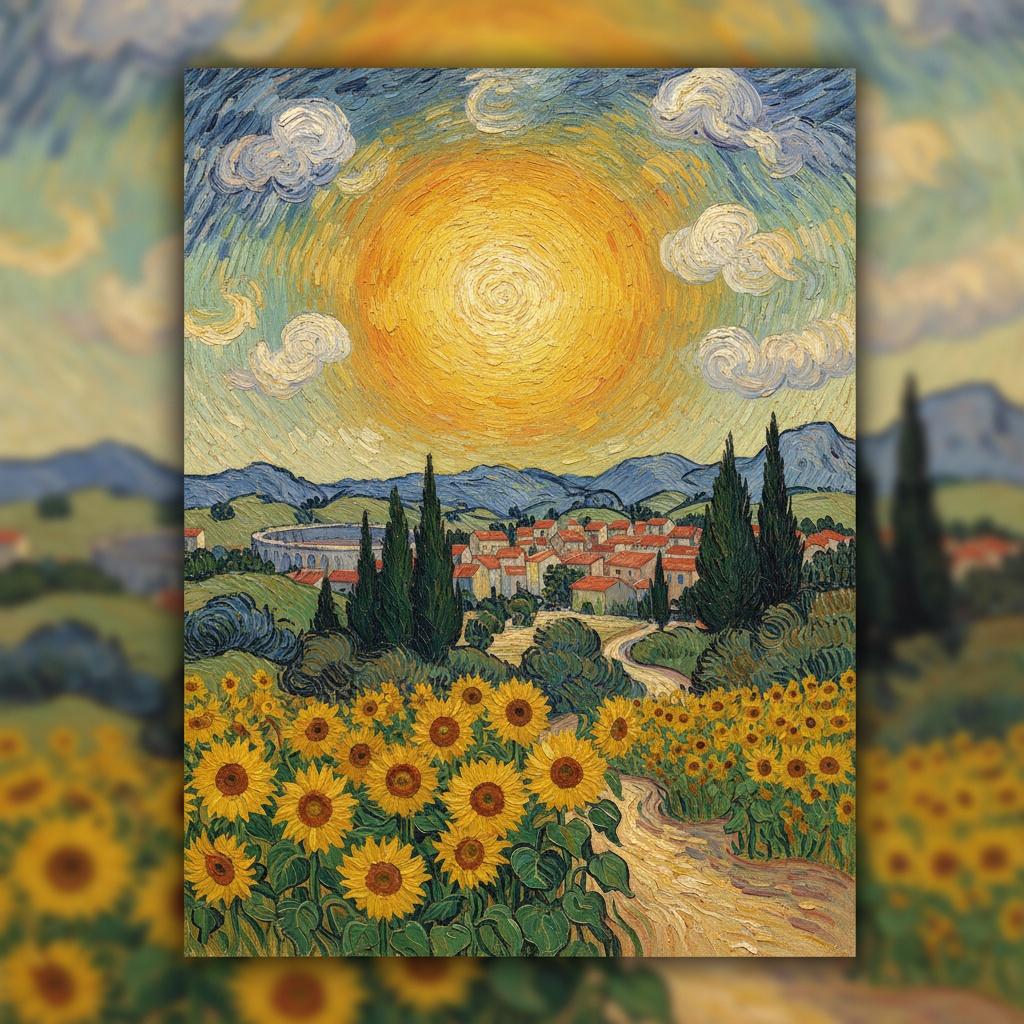
To truly appreciate the masterpieces of Arles, one must look beyond color and consider the physical presence of the paint itself. The technique of impasto—the thick, heavy application of oil paint—is a defining characteristic of this era. In many of these works, the paint is not a flat medium but a sculptural element. You can see the ridges left by the brush, the swirling patterns that mimic the wind, and the tactile layers that build a three-dimensional topography on the canvas. This texture provides a sense of movement that a smooth surface could never achieve; it allows the light to catch the physical edges of the paint, creating a secondary layer of shifting shadows.
This rhythmic application of paint creates a visual symphony. The brushstrokes act as directional guides, leading the eye through the composition with a sense of urgency and life. In the more textured landscapes, the earth feels heavy and real, while in the sky, the strokes may become lighter and more ethereal. This interplay between the physical weight of the medium and the lightness of the subject matter creates a captivating tension. It is this "living" quality of the paint that ensures these works remain dynamic, appearing to change slightly depending on the angle from which they are viewed, much like the shifting light of Arles itself.
The Enduring Legacy: How the Spirit of Arles Inspires Modern Collectors
The impact of the Arlesian masters continues to reverberate through the halls of art history and into the private collections of the modern era. The ability of these works to evoke such intense emotion and physical presence ensures their lasting relevance. For the contemporary collector, owning a piece that embodies this spirit is an invitation to bring a sense of historical depth and luminous energy into one's own environment. Whether through a meticulously crafted oil reproduction or a carefully selected print, the essence of Provence remains a powerful force in interior curation.
Today, we see the legacy of Arles in the way we approach art as an immersive experience. The movement toward textured, expressive works reflects a modern desire for authenticity and tactile connection in an increasingly digital world. As we continue to explore these sun-drenched masterpieces, we find that they offer more than just aesthetic beauty; they provide a window into a period of human creativity where light, color, and texture converged to redefine the very limits of what art could achieve. The golden light of Arles, though centuries old, continues to shine brightly upon the hearts of all who encounter it.
Discover the Masterpieces at OriginalUniqueArt.com
At OriginalUniqueArt.com, we are dedicated to preserving and sharing the profound beauty of art history with a global audience. Our platform specializes in high-quality, hand-painted oil reproductions and museum-grade Giclée prints that capture the true soul of the Old Masters. From the thick, tactile impasto of Van Gogh to the delicate light of the Impressionists, our artists use traditional techniques and premium materials to ensure every piece retains its historical depth and emotional resonance. Whether you are looking to transform a personal photo into a masterpiece or seeking a large-scale mural to anchor a room, OriginalUniqueArt provides an unparalleled service built on trust, transparency, and artistic excellence.