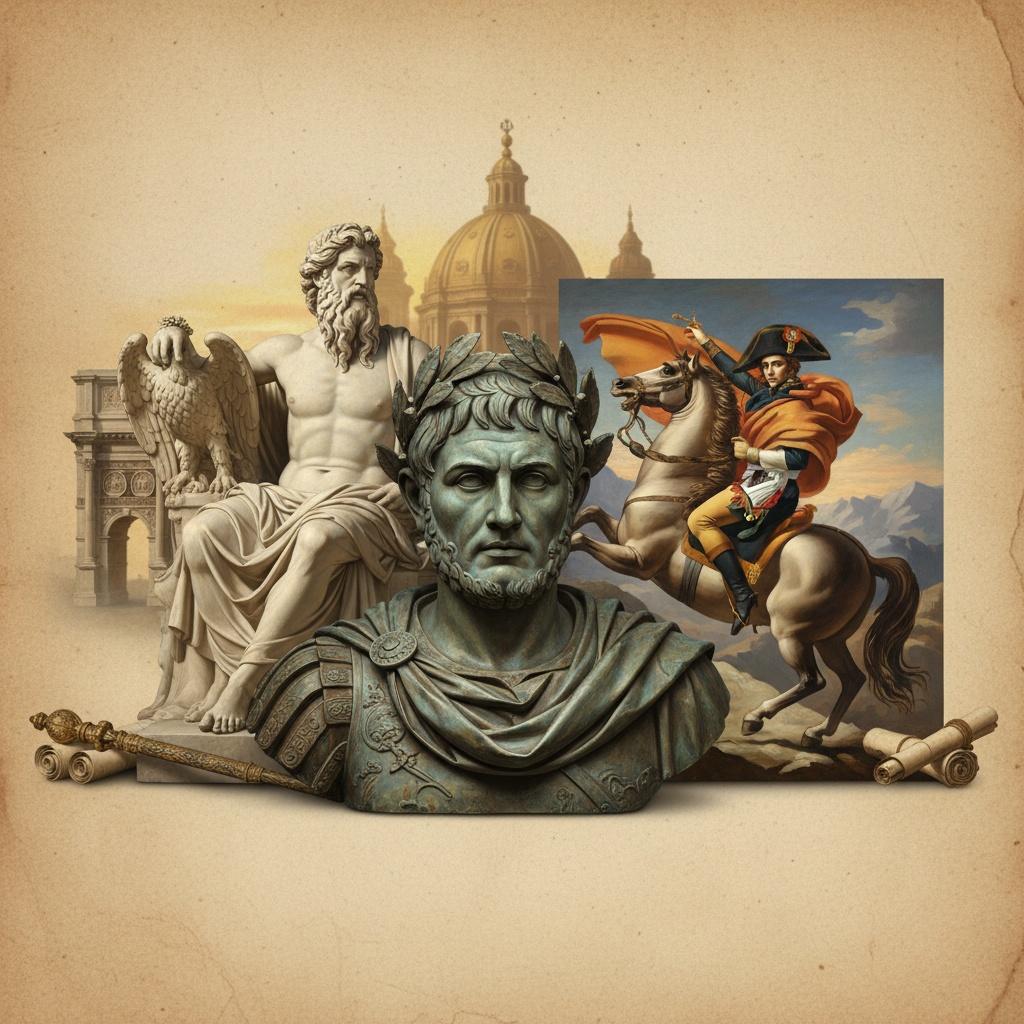
The Language of Majesty: How Art Communicates Absolute Rule
Throughout the annals of human history, power has rarely been expressed through mere words alone; it has required a visual vocabulary capable of transcending time and language. To gaze upon a masterpiece of imperial portraiture is to enter into a silent dialogue with authority. This communication is achieved through a sophisticated orchestration of symbolism, where every element—from the tilt of a chin to the heavy drape of ermine—serves a singular purpose: to command respect and instill awe. The art of the sovereign is not merely decorative; it is an architectural feat of psychological engineering designed to project stability, divine right, and an unshakeable presence.
The mastery of this visual rhetoric lies in the subtle manipulation of light and shadow, a technique that lends a sculptural weight to the subject. When we study the works of the Old Masters, we observe how they utilized chiaroscuro to pull the ruler from the darkness of the unknown into the luminous clarity of historical permanence. This is not just a matter of aesthetic preference but a deliberate attempt to suggest that the leader is the very source of light and order within their realm. By controlling the gaze of the viewer, these artists transformed canvases into thrones, ensuring that the authority of the subject was felt long after the empire itself had faded into the dust of history.
Baroque Grandeur: Rubens and the Allegory of Imperial Might
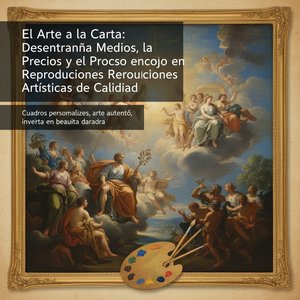
In the theatrical era of the Baroque, no artist understood the mechanics of grandeur more intimately than Sir Peter Paul Rubens. His work serves as a definitive study in how movement and complexity can be harnessed to illustrate vast, interconnected realms. In his breathtaking Allegory on Emperor Charles as Ruler of Vast Realms, we witness the pinnacle of allegorical storytelling. Here, power is not static; it is a swirling, energetic force. Rubens employs a dense tapestry of mythological figures and intricate details to suggest that the Emperor’s reach is both cosmic and terrestrial.
The brilliance of Rubens lies in his ability to blend the human with the divine. Through vigorous brushstrokes and a rich, emotive palette, he creates a sense of motion that mirrors the expansion of an empire. The composition is intentionally overwhelming, designed to leave the spectator breathless. By weaving together classical deities with contemporary political figures, Rubens elevates the earthly ruler to a celestial plane, suggesting that their dominion is sanctioned by the very laws of the universe. It is a masterclass in using compositional density to represent the weight of responsibility and the sheer scale of imperial ambition.
The Napoleonic Iconography: Portraiture as Political Propaganda
As the centuries progressed, the methods of projecting authority shifted from the allegorical to the intensely personal. The era of Napoleon Bonaparte introduced a new form of iconography—one rooted in the cult of personality and the meticulous construction of a modern legend. François Gérard’s Napoleon I in His Century Imperial Robes stands as a monumental testament to this shift. Unlike the swirling mythologies of the Baroque, this portrait relies on the sheer, heavy presence of the man himself, draped in the symbols of his hard-won legitimacy.
In this work, every fold of the imperial fabric and every glint of gold embroidery serves as a calculated piece of political propaganda. The focus is on materiality—the tactile richness of the robes conveys a sense of wealth, stability, and the formalization of power. There is an intentional stillness in the portrait, a controlled majesty that suggests a leader who has mastered both the battlefield and the statecraft. Through the precise rendering of texture and the use of a commanding central composition, the artist ensures that Napoleon does not merely occupy the frame; he dominates it, presenting an image of an Emperor whose authority is as undeniable as the physical weight of his regalia.
Neoclassical Precision: Crafting Permanence through Porcelain and Artistry
While painting captured the drama of rule, other mediums sought to embody its permanence. The Neoclassical movement brought a renewed focus on order, clarity, and the enduring strength of tradition. This era saw an incredible convergence of fine art and high craftsmanship, perhaps most notably seen in the exquisite creations of the Imperial Porcelain Factory in Saint Petersburg. These pieces were not merely objects of luxury; they were ambassadors of the Romanov dynasty’s cultural sophistication and disciplined elegance.
The precision required for such Neoclassical artistry mirrors the desired stability of the state itself. In porcelain, as in painting, there is a pursuit of perfection and symmetry. The delicate application of pigment and the rigorous adherence to classical motifs served to reinforce the idea of an empire that was refined, structured, and eternal. When we observe these artifacts alongside the era's paintings, we see a unified front of authority—a world where even the smallest tea service or decorative vase participated in the grand narrative of imperial prestige and cultural hegemony.
The Psychology of Presence: Composition, Scale, and the Viewer's Submission
To truly understand how art defines authority, one must look beyond the subject matter to the psychological impact of scale and perspective. Great works of power are often designed to be physically imposing. When a viewer stands before a large-scale oil reproduction of an imperial scene, there is an instinctive sense of diminishment. The sheer size of the canvas forces the eye upward, mimicking the physical act of looking up to a superior. This verticality is a fundamental tool in creating a sense of hierarchy.
Furthermore, the use of low-angle perspectives—often referred to as the "heroic" view—places the viewer in a position of submission. By positioning the horizon line below the subject's eye level, the artist grants the ruler a monumental stature. This technical choice bypasses intellectual analysis and speaks directly to the viewer's primal emotions, evoking feelings of reverence and awe. The mastery of space, the strategic use of scale, and the manipulation of the viewer's physical relationship to the work are what ultimately transform a mere portrait into an icon of unassailable presence.
Curating Authority: Integrating Masterpieces into Modern Architectural Spaces
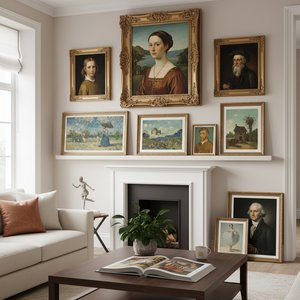
In the contemporary era, the pursuit of power and presence has transitioned from the halls of palaces to the curation of private and professional environments. The modern collector understands that integrating works of historical authority into a space is an act of architectural storytelling. Whether through large-format murals that recreate the grandeur of a ceiling fresco or the strategic placement of a multi-panel group painting, art serves to anchor a room with a sense of heritage and gravitas.
Integrating these pieces requires a sophisticated understanding of light, texture, and modern design. A well-placed reproduction of a Baroque masterpiece can act as a focal point that commands the attention of an entire gallery or executive suite, providing a backdrop of intellectual depth and historical continuity. By selecting works that emphasize texture, impasto, and classical composition, one can infuse a modern interior with the same spirit of permanence and prestige that once adorned the halls of emperors. In doing so, we do not just decorate a space; we curate an atmosphere of enduring significance.
At OriginalUniqueArt.com, we specialize in preserving this legacy of grandeur. From meticulously handcrafted oil reproductions that capture every tactile brushstroke to bespoke commissions that reimagine history for the modern collector, our mission is to make the profound beauty of the Old Masters accessible to a global audience. Whether you are seeking a museum-quality Giclée print or a custom masterpiece tailored to your unique architectural vision, we provide the expertise and artistry required to bring the power of history into your home.