The Emergence of Tenebrism: Defining the Baroque Aesthetic
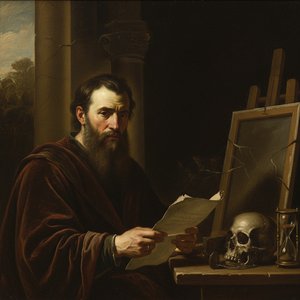
To understand the soul of the Baroque era, one must first confront the darkness. Emerging from the late Renaissance, the Baroque period marked a radical departure from the balanced, harmonious compositions of the previous century. It was an age defined by tension, movement, and an almost visceral engagement with the viewer. At the heart of this revolution lay tenebrism—a style where darkness is not merely an absence of light, but a dominant, structural force. Unlike the soft transitions found in earlier works, tenebrism utilizes deep, impenetrable shadows to isolate subjects, thrusting them forward into a spotlight of intense drama.
This stylistic shift was more than a mere technical choice; it was a psychological tool used to evoke awe and spiritual contemplation. By drowning much of the canvas in shadow, artists could direct the eye with surgical precision toward the essential elements of a narrative. This technique created a stage-like atmosphere, where every flicker of light felt like a divine intervention or a sudden revelation. The resulting aesthetic is one of profound mystery, inviting the observer to peer into the gloom and discover the hidden truths lurking within the void.
Ultimately, tenebrism redefined the boundaries of realism. It allowed painters to move beyond mere representation and toward an emotional truth that resonated with the religious and political fervor of the 17th century. Through this mastery of shadow, the Baroque era established a visual language of intensity that continues to captivate the modern imagination.
Chiaroscuro and the Architecture of Light: Creating Depth through Contrast
While tenebrism provides the dark foundation, it is the technique of chiaroscuro that builds the architecture of the Baroque masterpiece. If tenebrism is the shadow, then chiaroscuro is the interplay—the delicate, masterful negotiation between light and dark. This method involves the use of strong contrasts between light and shade to model three-dimensional forms, giving figures a sense of volume and weight that feels almost tangible. Through the gradual transition from brilliant highlights to deep mid-tones, artists were able to sculpt flesh, fabric, and stone using nothing but pigment.
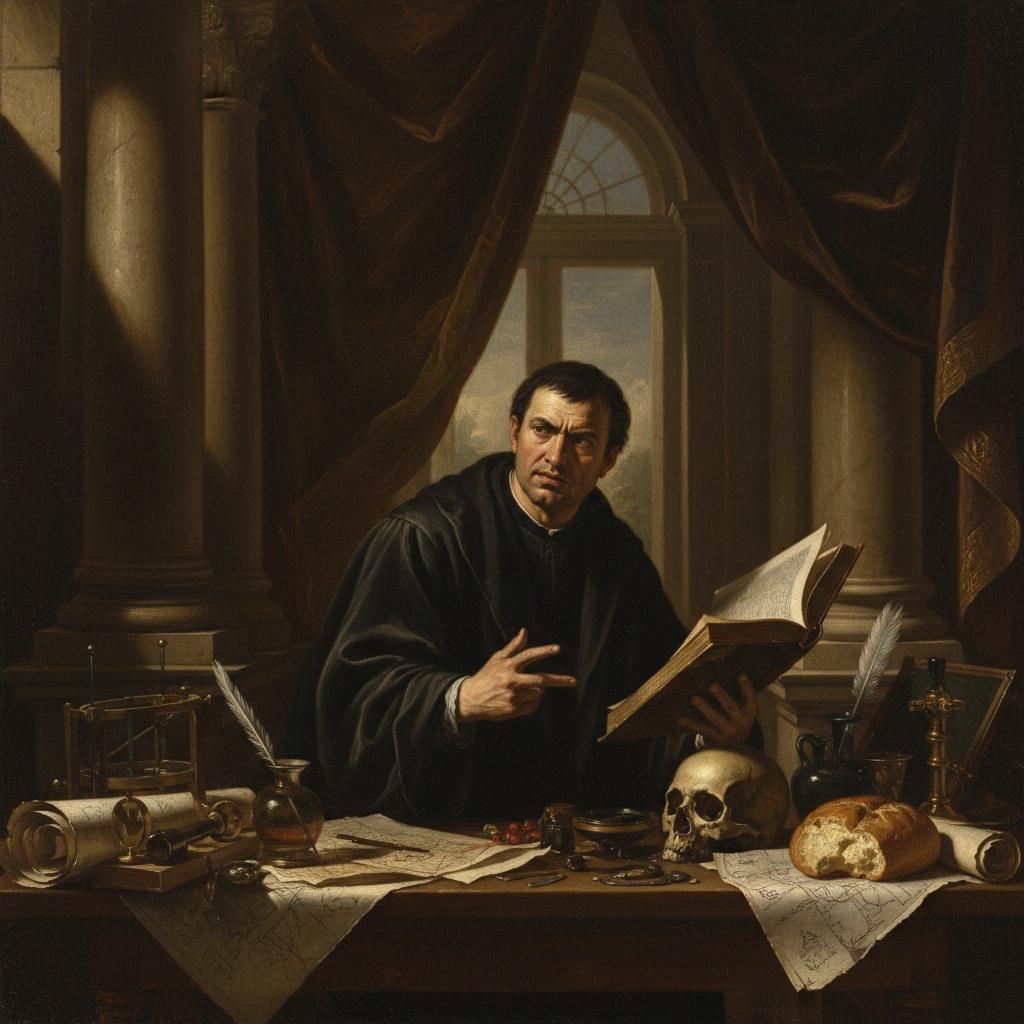
The brilliance of chiaroscuro lies in its ability to create an illusion of depth on a flat surface. By illuminating certain planes of a figure while allowing others to recede into obscurity, painters achieved a sculptural quality that breathed life into their subjects. Consider the way light catches the curve of a cheekbone or the heavy fold of a velvet sleeve; these highlights serve as anchors for the eye, preventing the viewer from becoming lost in the surrounding darkness. This interplay creates a rhythmic movement across the canvas, guiding the gaze through a complex landscape of form and atmosphere.
This architectural use of light does more than just define shape; it establishes mood. The sharp, sudden transitions characteristic of high-contrast chiaroscuro evoke a sense of urgency and drama, while softer applications can suggest a more contemplative, somber tone. It is through this precise manipulation of luminosity that the Baroque masters transformed two-dimensional canvases into windows onto a profound, breathing reality.
The Emotional Weight of Realism: Narrative Drama in 17th-Century Masterpieces
Baroque realism was never intended to be a passive experience. It sought to bridge the gap between the sacred and the profane, bringing biblical stories and historical events into the immediate, physical realm of the viewer. The era’s artists embraced a gritty, unvarnished realism that did not shy away from the textures of everyday life—the dirt beneath a fingernail, the wrinkles of aged skin, or the heavy weight of coarse cloth. This commitment to detail served to ground even the most miraculous narratives in a recognizable, human reality.
In works such as Jan Victors’ interpretations of biblical drama or the evocative religious scenes found in the Spanish tradition, the narrative is driven by emotional stakes. The use of light and shadow acts as a conductor for this drama, height::ing the tension of a moment of crisis or the quietude of a moment of grace. When we observe a scene like The Circumcision within the Monastery of Jerez, the religious significance is amplified by the palpable sense of physical presence. The figures are not distant icons; they are flesh and blood, caught in a moment of profound significance that feels as though it could unfold at any second.
This marriage of intense realism and dramatic lighting creates a powerful psychological resonance. By presenting the divine through the lens of the human, Baroque artists forced their audience to confront the emotional weight of their faith and history. The result is an art form that does not merely tell a story but compels the viewer to feel its gravity, making every brushstroke a testament to the enduring power of human emotion.
Masters of the Shadow: Analyzing the Legacy of Zurbarán and the Spanish Golden Age
The Spanish Golden Age produced some of the most profound practitioners of this dramatic style, with Francisco de Zurbarán standing as a titan of the movement. His work embodies the essence of Spanish Baroque realism—a style characterized by a monastic austerity, a deep reverence for texture, and an unparalleled command of light. Zurbarán’s ability to render the heavy, sculptural folds of white monastic robes against a pitch-black background creates a sense of quiet, monumental power that is uniquely his own.
The legacy of Zurbarán extends far beyond his individual canvases, influencing a whole group of artists who sought to capture the spiritual intensity of the era. These painters utilized tenebrism not just for aesthetic flair, but as a devotional tool, using the starkness of the light to symbolize divine presence amidst the darkness of the world. The Spanish tradition is marked by this particular brand of gravity—a somber, reflective realism that finds beauty in the austere and the profound in the simple.
To study these masters is to witness the pinnacle of controlled drama. Their works serve as a reminder that true power in art often lies in restraint. By limiting the palette and focusing the light, they achieved a level of spiritual and physical impact that remains unsurpassed, leaving an indelible mark on the history of Western art and continuing to inspire collectors and enthusiasts of the classical tradition.
The Tactile Canvas: How Texture and Pigment Amplify Baroque Intensity
The true magic of a Baroque masterpiece is often found in its most tactile elements. The intensity of the era’s drama is not solely dependent on composition, but on the physical application of paint itself. The use of impasto—the thick, textured application of pigment—allows light to catch on the ridges of the brushstrokes, adding a three-dimensional quality to the highlights. This creates a "living" surface where the artwork seems to react to the ambient light of the room, shifting subtly as the viewer moves.
Furthermore, the chemistry of the materials played a crucial role in achieving such profound depth. The layering of oils, often involving five to ten distinct applications, allowed artists to build up luminosity from within. By using specific pigments and careful glazing techniques, they could create transitions of color that felt infinitely deep. This meticulous process ensured that even the darkest shadows possessed a richness and complexity, preventing them from appearing as mere flat voids.
When we appreciate these works today, whether through original museum pieces or high-quality reproductions, it is this tactile quality that connects us to the past. The visible energy of the artist's hand, preserved through centuries of careful craftsmanship, allows the spirit of the Baroque era to remain vibrant. It is a celebration of the physical medium—a reminder that art is not just a visual experience, but a sensory one, where texture and light converge to create something truly eternal.
At OriginalUniqueArt.com, we are dedicated to preserving this extraordinary legacy. Our mission is to bring the profound beauty of the Old Masters into modern homes through meticulously handcrafted oil reproductions and museum-quality Giclée prints. From custom commissions that transform your personal memories into Baroque masterpieces to large-scale murals that recreate historical grandeur, our artists use academic excellence to ensure every brushstroke honors the tradition of the masters. Whether you are a seasoned collector or a new enthusiast, OriginalUniqueArt provides the expertise and quality needed to curate a collection that stands the test of time.