The Alchemy of Pigment: Understanding the Chemistry and Longevity of Oil Media
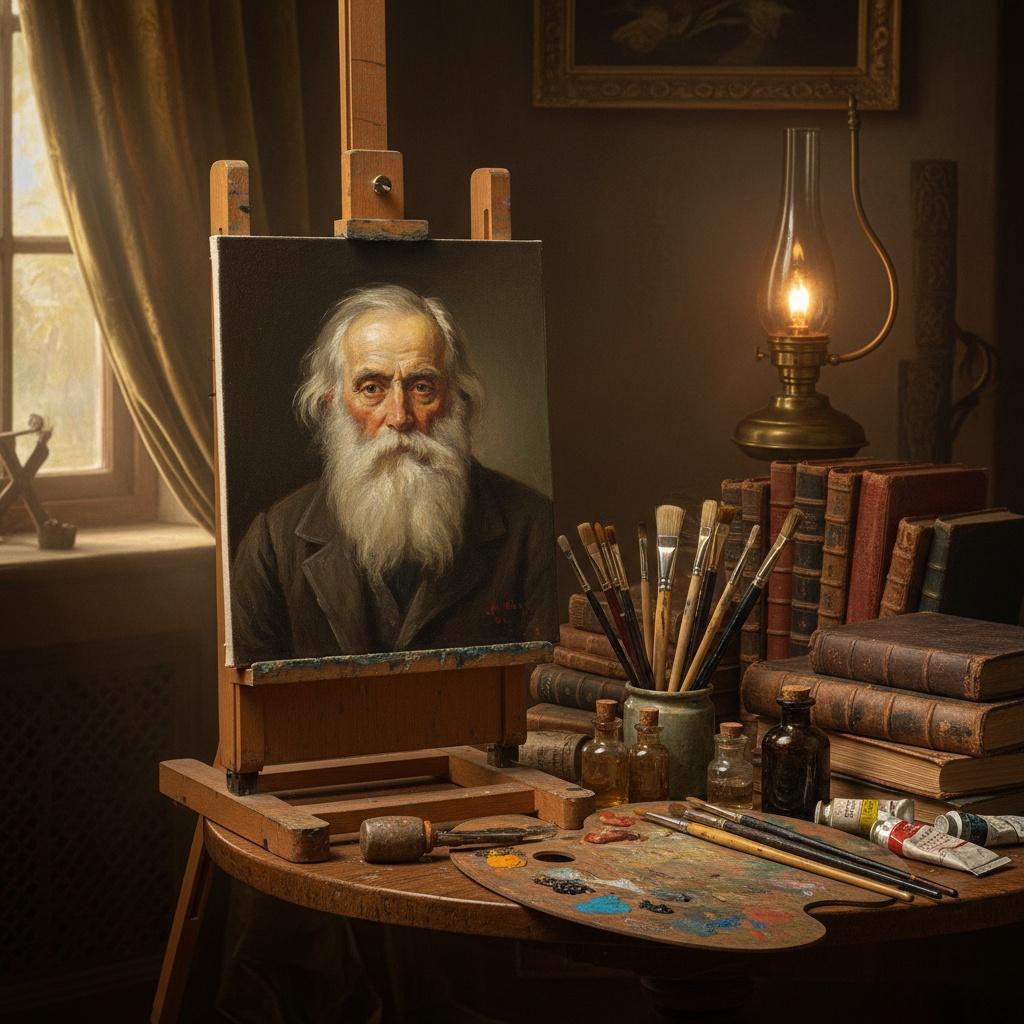
To understand the enduring brilliance of a classical masterpiece, one must first look beneath the surface at the very soul of the medium: the chemistry of pigment and oil. The history of art is, in many ways, a history of alchemy. For centuries, painters have sought the perfect marriage between stable minerals and drying oils to ensure that their visions would survive the ravages of time. This delicate balance begins with the selection of pigments—earthy ochres, deep ultramarines derived from lapis lazuli, and rich cadmiums—each chosen not only for its hue but for its lightfastness and chemical stability.
The longevity of an oil painting relies heavily on the medium's molecular structure. Unlike water-based media that dry through evaporation, oils dry through oxidation, a slow process where the oil absorbs oxygen to form a durable, flexible film. However, this process requires meticulous care. The use of specific oils, such as safflower for lighter tones to prevent the dreaded yellowing effect, is a hallmark of academic excellence. When an artist applies a layer of linseed or poppy oil, they are initiating a biological and chemical transformation that will continue for decades. To ensure these works remain vibrant, modern masters also utilize flexible gesso to prevent cracking and finish each piece with a protective coat of Damar varnish, shielding the surface from the invisible threats of dust, moisture, and atmospheric pollutants.
Layering Light: The Mastery of Glazing and Scumbling Techniques
If pigments are the body of a painting, then glazing is its breath. One of the most profound secrets held by the Old Masters is the technique of glazing—the application of multiple, translucent layers of oil paint over a dried underpainting. This method does not merely place color on a canvas; it allows light to pass through the transparent layers, strike the opaque base, and reflect back to the viewer's eye. This creates an internal luminosity, a depth of color that no single layer of flat paint could ever achieve. It is this very technique that gives the skin of a Renaissance portrait its lifelike glow and the depths of a velvet robe their incomparable richness.
Complementing this transparency is the technique of scumbling, a more opaque and textural approach. In scumbling, a thin, light-colored layer of paint is dragged across a darker, dried surface, allowing the underlying tones to peek through in a broken, atmospheric pattern. This creates a soft, hazy effect often seen in the misty landscapes of the Romantic era. When used in tandem with glazing, these techniques allow an artist to manipulate the perception of atmosphere and moisture. The interplay between the deep, light-trapping glazes and the surface-level scumbles builds a complex optical architecture, turning a two-dimensional canvas into a window of infinite depth.
Texture and Emotion: From Delicate Glazes to Bold Impasto
The emotional resonance of an oil painting is often found in its topography. An artist’s ability to manipulate the physical thickness of paint allows them to communicate a spectrum of human feeling, ranging from the serene stillness of a calm lake to the turbulent energy of a storm. At one end of this spectrum lies the smooth, almost invisible brushwork characteristic of classical portraiture, where the goal is a seamless transition of tones that mimics the softness of flesh or the delicate drape of silk.
At the opposite extreme lies the power of impasto. In this technique, paint is applied in thick, heavy layers, often straight from the tube, creating a three-dimensional texture that catches actual light and casts tiny shadows upon the canvas. This tactile approach, famously utilized by masters like Van Gogh, transforms the brushstroke into an expressive gesture. The visible ridges of paint carry the artist's physical energy, making the emotion of the piece palpable to the touch. Whether through the subtle, smooth transitions of a delicate glaze or the rugged, sculptural bravado of impasto, the mastery of texture ensures that the painting remains a living, breathing entity that engages the viewer both visually and physically.
Chiaroscuro and Composition: Harnessing Dramatic Light and Shadow
The drama of the Old Masters is rarely achieved through color alone; it is sculpted through the masterful use of chiaroscuro. This term, signifying the contrast between light and dark, refers to the technique of using strong tonal contrasts to model three-dimensional forms and create a sense of volume. By plunging large portions of the composition into deep, velvety shadows, an artist can direct the viewer's gaze with surgical precision, illuminating only the most critical elements of the narrative—a face, a hand, or a symbolic object.
This manipulation of light is inextricably linked to composition. A well-structured painting uses light as a compositional tool to create balance, tension, or movement. In the works of the Baroque masters, light often acts as a theatrical spotlight, emerging from an unseen source to pierce through the darkness. This creates a sense of mystery and psychological depth, forcing the viewer to confront the subjects within a space that feels both intimate and infinite. Through the careful arrangement of highlights and shadows, the artist orchestrating a silent symphony of light, guiding the eye through a carefully choreographed visual journey.
Preserving the Legacy: Modern Methods for Protecting Timeless Artworks
As we move further into the modern era, the challenge remains: how do we preserve the integrity of these classical techniques for future generations? The preservation of fine art is a continuous dialogue between historical tradition and scientific innovation. Beyond the chemical stability of pigments, the physical environment plays a crucial role in the longevity of an artwork. Protecting a masterpiece requires a deep understanding of the impact of UV radiation, humidity fluctuations, and even the acidity of mounting materials.
Modern conservation emphasizes the importance of archival-quality materials, such as acid-free matting and museum-grade substrates, to prevent the degradation of the canvas and paper. Furthermore, the art of framing has evolved into a sophisticated science, utilizing engineered stretchers to prevent warping and specialized glass to filter harmful light. By respecting the original intent of the artist through careful maintenance and professional care, we ensure that the textures, colors, and profound emotions captured by the brush continue to inspire and captivate collectors and enthusiasts for centuries to come.
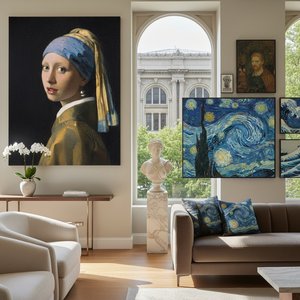
At OriginalUniqueArt.com, we are dedicated to this very legacy of excellence. Our mission is to bridge the gap between the timeless techniques of the Old Masters and the modern collector. Through our meticulous process of hand-painted reproductions, we employ artists trained in these classical traditions—applying layers of oil paint, mastering impasto textures, and utilizing professional glazing to recreate the soul of museum-quality works. Whether you are seeking a custom portrait that transforms a personal memory into a historical masterpiece or a grand mural to define an architectural space, OriginalUniqueArt provides the expertise and craftsmanship necessary to bring the enduring beauty of art history into your home.