The Soul of the Image: Finding Inspiration in Classical Artistry
To gaze upon a classical portrait is to step into a world where time holds its breath. There is a profound, silent dialogue between the subject and the viewer, a connection forged not merely by likeness, but by the intentionality of every brushstroke. When we look at the works of the Old Masters, we are not simply observing faces; we are witnessing the capture of character, status, and ephemeral emotion. Consider the scholarly dignity found in portraits like Richard Lewis Nettleship by Ernest Gustave Girardot, where the weight of intellect is rendered through subtle shadows, or the delicate, youthful grace seen in Thomas Stothard’s studies. These works possess a gravity that modern photography often lacks, as they are built upon layers of light and shadow designed to endure for centuries.
The true essence of classical art lies in its ability to transcend the momentary. While a photograph captures a fraction of a second, a masterpiece interprets an era. The aristocratic elegance found in Édouard Louis Dubufe’s Portrait of the Countess of Hallez-claparede demonstrates how texture and light can elevate a human subject into an icon of refined artistry. For the true art enthusiast, the inspiration for transformation begins here—not by merely replicating a face, but by seeking to imbue our modern memories with this same sense of historical weight and symbolic depth. It is about finding the soul within the digital pixel and preparing it for its metamorphosis into something eternal.
The Alchemy of Transformation: From Digital Pixels to Oil on Canvas
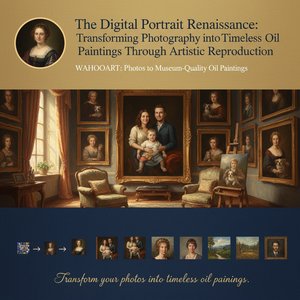
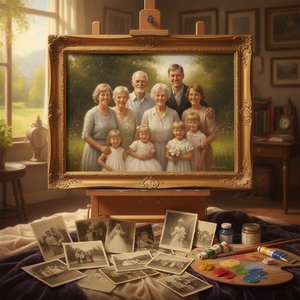
The transition from a contemporary photograph to a classical oil painting is nothing short of an alchemical process. It begins with the raw material of light captured by a lens, but it finds its true form through the meticulous intervention of the human hand. This journey starts with a digital assessment, where the composition is analyzed for its potential to hold the weight of historical styles. The magic lies in the movement from the flat, two-dimensionally perfect world of digital imagery into the tactile, three-dimensional realm of heavy-duty cotton canvas and premium pigments. It is a process of adding depth where there was once only surface.
As the artist begins their work, they do not simply copy; they interpret. Through the application of five to ten layers of oil paint, the artist builds a physical topography on the canvas. This layering technique allows for the creation of impasto, where the visible, tactile brushstrokes catch the light, giving the painting a living quality that no print can replicate. The transformation is a slow, deliberate dance of drying and re-layering, ensuring that the final piece possesses the structural integrity and luminous depth characteristic of museum-grade works. It is the bridge between the ephemeral nature of a digital file and the enduring permanence of fine art.
Curating Your Legacy: Choosing the Perfect Historical Style and Era
To transform a personal milestone into a masterpiece, one must first act as a curator of their own history. Selecting a style is not merely an aesthetic choice; it is a decision regarding how you wish your legacy to be perceived. Do you envision the soft, light-drenched atmosphere of the Impressionists, where color flows like water, or do you crave the dramatic, high-contrast chiarosculated intensity of the Baroque era? One might choose to "remix" history entirely, requesting a modern portrait to be reimagined through the lens of Van Gogh’s expressive textures or Monet’s ethereal landscapes. This allows for a personalized period shift, where a contemporary wedding or family portrait can be recast in the 17th-century grandeur of Rembrandt.
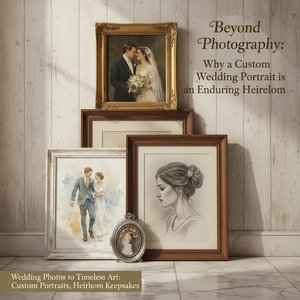
The breadth of choice allows for profound customization. For those seeking to celebrate academic or professional achievements, the structured elegance of Victorian portraiture offers a sense of prestige and permanence. Conversely, for more intimate, romantic commemorations, the delicate brushwork of the 18th-century style can provide a sense of lightness and grace. By selecting a specific era, you are choosing the emotional vocabulary through which your story will be told. This curation extends to the very layout of the art; one might choose a single, commanding canvas or opt for the modern architectural trend of multi-panel group sets, splitting a grand family scene across three or five panels to create a sweeping, cinematic experience on a wide wall.
The Master's Touch: Understanding the Meticulous Layers of Hand-Painted Art
Behind every extraordinary reproduction lies a commitment to academic excellence. The artists entrusted with these commissions are not mere decorators; they are specialists who hold degrees from prestigious Fine Arts academies, trained in the rigorous traditions of maritime, landscape, and portraiture genres. Their process is one of disciplined passion. It begins with a digital mockup—a vital stage where the composition is refined and colors are matched to ensure the vision is perfect before a single drop of oil touches the canvas. This transparency allows the patron to participate in the creative evolution of their piece.
<The technical rigor continues through the drying phases, where patience is as important as skill. Using specialized materials like flexible gesso to prevent future cracking and safflower oils to ensure that whites remain pure and free from yellowing, the artist builds a work designed for generations. Each stroke is a testament to craftsmanship, applied with the knowledge that this piece will eventually be finished with a protective coat of Damar varnish. This final layer shields the artwork from the atmospheric pollutants and moisture of the modern world, sealing in the brilliance of the pigments and ensuring that the texture remains as vibrant as the day it left the studio.
Architectural Harmony: Integrating Custom Masterpieces into Modern Interiors
A true masterpiece does not merely hang on a wall; it commands the space it inhabits. Integrating custom oil paintings into modern architecture requires an eye for balance and scale. For the professional designer or the discerning homeowner, art serves as the anchor of an interior's aesthetic. Large-format murals and frescoes can transform a standard ceiling into a breathtaking sky of classical grandeur, much like the Sistine Chapel, applied to massive canvas rolls that can be installed with the ease of high-end wallpaper. These works turn a room from a mere living space into a curated gallery.
The versatility of modern framing and mounting techniques allows for seamless integration into various design languages. For a contemporary, minimalist look, one might opt for an ExtendedWrap or MirrorWrap, where the artist continues the painting around the edges of the canvas, eliminating the need for a frame and allowing the art to appear as if it is emerging directly from the wall. Alternatively, for more traditional settings, solid wood frames in gold leaf or deep espresso provide a stately border that complements classical furniture. Whether through the use of multi-panel layouts for staircases or single, monumental canvases for focal points, the goal is to create an environment where the art and the architecture exist in a state of perfect, uninterrupted harmony.
Preserving the Moment: The Science of Longevity and Fine Art Care
The ultimate value of a hand-painted reproduction lies in its ability to act as a vessel for memory, surviving long after the moment it depicts has passed. Achieving this longevity requires an understanding of both the chemistry of art and the environment in which it resides. While our Giclée prints utilize 12-color pigment-based inks rated to last up to a century, oil paintings offer a different kind of endurance through their physical substance. To protect these investments, one must respect the delicate balance of light and air. Avoiding direct sunlight and utilizing acid-free matting are essential steps in preventing the degradation of even the finest pigments.
True preservation is an ongoing commitment to excellence. At OriginalUniqueArt.com, our dedication to quality spans from the initial selection of heavy-duty cotton canvases to the final shipment in reinforced, industrial-grade packaging. We understand that art is a legacy, which is why we provide the tools for its long-term care, including expert consultations and professional appraisals. Whether you are transforming a cherished photograph into an oil masterpiece or acquiring a museum-quality print, our mission remains the same: to ensure that the beauty of the past is preserved, protected, and celebrated in the homes of the future.