The Curated Soul: Moving Beyond Ornamentation to Emotional Resonance
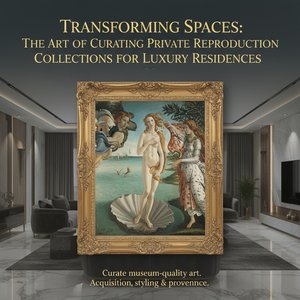
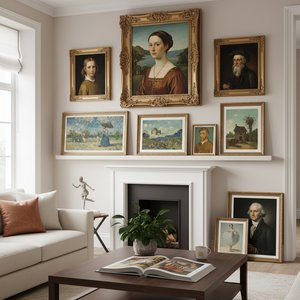
In the realm of high-end interior design, there exists a profound distinction between decoration and curation. Decoration is often ephemeral, a seasonal pursuit of trends that seeks only to fill a void with color and pattern. True luxury, however, resides in the ability to evoke emotion and command presence through objects that possess a soul. When we speak of masterpiece wall art, we are not discussing mere accents; we and discussing the anchors of an environment. A carefully selected painting does more than occupy space; it initiates a dialogue with the viewer, inviting contemplation and reflecting the intellectual depth of the collector.
To inhabit a room adorned with historical significance is to participate in a continuous narrative of human achievement. Whether it is the serene light of a landscape or the dramatic tension of a portrait, these works serve as windows into different eras and perspectives. For the elite collector, the goal is to transcend the superficiality of modern trends by selecting pieces that resonate on a visceral level, transforming a residence from a mere structure into a sanctuary of culture and profound emotional resonance.
The Tactile Dimension: Why Texture and Impasto Define True Luxury
In an increasingly digital and flattened world, the luxury of touch has become a rare and coveted commodity. This is precisely why the distinction between a flat Giclée print and a handmade oil reproduction is so critical for the discerning eye. A true masterpiece possesses a three-dimensional topography; it is a living surface where light and shadow dance across the ridges of dried pigment. The technique of impasto, where paint is applied in thick, deliberate layers, creates a sculptural quality that no digital process can replicate.
When one stands before a high-quality oil painting, the eye follows the movement of the brush, tracing the artist's physical journey across the canvas. These visible, tactile brushstrokes provide a sense of depth and authenticity that breathes life into the room. This texture does more than catch the light; it provides a sensory richness that grounds the interior, offering a weight and permanence that smooth, mass-produced prints simply lack. In the pursuit of excellence, it is this physical presence—the very substance of the medium—that elevates an artwork from a visual element to a tactile experience.
Architectural Dialogue: Integrating Masterpieces into Grand Scale Interiors
The integration of fine art into grand-scale architecture requires a sophisticated understanding of proportion and spatial flow. A masterpiece should never feel like an afterthought; rather, it should act as the architectural heartbeat of a room. In expansive drawing rooms or soaring foyers, the scale of the artwork must match the ambition of the space. This is where the concept of multi-panel layouts and large-scale murals becomes essential, allowing the art to wrap around the viewer's field of vision and create an immersive environment.
Consider the impact of a triptych or a five-panel split across a wide feature wall; such compositions guide the eye through the architectural landscape, creating a sense of rhythm and continuity. Furthermore, the use of custom-sized frescoes or ceiling paintings can transform even the most modern structure into a classical marvel, reminiscent of the opulent regency interiors or Victorian parlors of the past. When art and architecture are in perfect alignment, the boundary between the physical room and the painted world begins to dissolve, resulting in a cohesive and breathtakingly unified aesthetic.
The Legacy of the Brushstroke: The Distinction Between Prints and Hand-Painted Originals
For the serious collector, understanding the lineage of a piece is paramount. While high-fidelity Giclée prints offer incredible accuracy and longevity through 12-color pigment-based inks, they remain, at their core, digital echoes of an original intent. They are beautiful, yet they lack the "spirit" found in the hand of the master. A handmade oil reproduction, however, is a labor of meticulous craftsmanship, involving the application of multiple layers of oil paint over several weeks to build a complex, light-refracting surface.
The true distinction lies in the nuance of the medium—the way certain oils, such as safflower, are used to ensure whites remain pure and free from yellowing, or how a final coat of Damar varnish protects the delicate surface from the passage of time. These technical details are not merely academic; they are the guardians of the artwork's legacy. Choosing an original-style reproduction means choosing a piece that possesses its own unique character, where every stroke is a testament to the artist's dedication and a promise of enduring quality.
Bespoke Narratives: Custom Commissions as the Pinnacle of Personal Expression
The ultimate expression of luxury is the ability to commission something that has never existed before. Bespoke art allows a collector to bridge the gap between history and personal identity. Through advanced customization, one can engage in a "period shift," requesting that a contemporary photograph be reimagined through the lens of a 17th-century master like Rembrandt or the impressionistic light of Monet. This process turns personal milestones—weddings, family portraits, or even cherished pets—into timeless heirlooms.
This level of personalization extends to the very composition of the work. Through professional digital mockups, a collector can direct the placement of elements, adjust color palettes to match specific interior textiles, or even combine subjects from disparate images into a single, cohesive masterpiece. This is art as a personalized narrative, where the collector is not merely a spectator but a co-creator of a legacy that reflects their unique history and aesthetic vision.
Investment in Aesthetics: The Enduring Value of Fine Art in Modern Collections
Ultimately, the acquisition of fine art is an investment in the enduring atmosphere of one's life. While fashion and furniture may evolve with the decades, a collection of significant works maintains its relevance and value. This permanence is found in the careful selection of materials—heavy-duty cotton canvases, acid-free matting, and premium pigments that resist fading for generations. To collect art is to curate a legacy that transcends the immediate moment.
As we look toward the future of interior curation, the intersection of traditional craftsmanship and modern technology offers unprecedented opportunities. Whether through the use of AI to explore new stylistic frontiers or the precision of digital order management, the essence of the art remains unchanged: it is about the pursuit of beauty, the preservation of human creativity, and the creation of spaces that inspire awe. For those who seek to define their surroundings with authority and grace, masterpiece wall art remains the ultimate hallmark of an elite interior.
About OriginalUniqueArt
Since 2004, OriginalUniqueArt has been a global leader in the curation and reproduction of fine art, serving discerning collectors across more than 70 countries. From bespoke oil commissions to museum-quality Giclée prints, we specialize in bringing the grandeur of the Old Masters into the modern home. Our process is defined by academic excellence, utilizing artists from prestigious Fine Arts academies to ensure every brushstroke meets the highest standards of authenticity and texture. Discover your next masterpiece at OriginalUniqueArt.com.