Uncovering Potential: Identifying Promising Undiscovered Artworks
Fine art authentication is a process that ensures the integrity of artworks, preserves cultural heritage, and maintains trust in the art market. By combining traditional methods, scientific advancements, and emerging AI and Blockchain technologies, a...
The hushed anticipation of a discovery – the feeling that beneath layers of dust, obscurity, or misattribution lies a work of genuine artistic merit – is a siren song for collectors and enthusiasts alike. But transforming this intuition into tangible value requires more than just a hopeful eye; it demands a cultivated understanding of what constitutes potential in the world of art. It begins with recognizing that significance isn’t always immediately apparent. A name unknown to mainstream history doesn't preclude brilliance, and often, the most compelling finds reside outside established canons. Consider the early Impressionists – initially dismissed by the Salon as radical departures from academic tradition, their works now command astronomical prices. The first step is a broad exploration: delving into regional art movements, lesser-known studios, and artists who operated on the periphery of celebrated circles.
The medium itself offers crucial clues. While watercolor and gouache have their devoted followers, oil paintings historically hold a privileged position in the market due to their longevity, versatility, and the sheer technical mastery they represent – a legacy stretching back to the 7th-century Buddhist murals of Afghanistan, predating European adoption by centuries. Subject matter also plays a role; certain themes—landscapes imbued with Romantic sensibility, portraits capturing societal shifts, still lifes reflecting burgeoning mercantile wealth—consistently resonate with collectors. However, condition is paramount. Damage, while sometimes repairable, diminishes value and complicates authentication. A crackled varnish, a tear in the canvas, or evidence of improper restoration all warrant careful consideration. Initial research should involve consulting art databases, auction records (Christie's, Sotheby’s), and scholarly publications to establish comparable works and market trends. Don’t dismiss works simply because they lack a prominent signature; many artists signed only sporadically, particularly during certain periods.
The Authentication Process: Verifying Authorship & Integrity
Provenance (from French provenir 'to come from/forth') is the chronology of the ownership, custody or location of a historical object. The term was originally mostly used in relation to works of art, but is now used in similar senses in a wide range...
Once a potentially valuable piece has been identified, the rigorous process of authentication begins – a pursuit not merely of verifying authorship but of establishing the artwork’s integrity within the complex ecosystem of the art market. This is where intuition gives way to meticulous investigation and scientific scrutiny. Historically, stylistic analysis reigned supreme; connoisseurs relied on their trained eyes to discern brushwork, color palette, and compositional techniques characteristic of specific artists. However, modern authentication demands a far more nuanced approach.
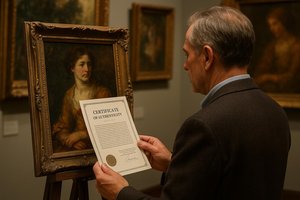
Pigment analysis, for example, can reveal the age and composition of the paints used, identifying materials available only during certain periods. Canvas dating techniques determine the fabric’s origin and approximate manufacture date. X-ray radiography unveils underdrawings or hidden layers beneath the surface, offering insights into the artist's process and potential alterations. Infrared reflectography penetrates the paint surface to reveal preliminary sketches and compositional changes. Crucially, documentation review is equally vital – scrutinizing certificates of authenticity (often unreliable without independent verification), exhibition records, gallery provenance, and correspondence for inconsistencies or red flags. The proliferation of sophisticated forgeries necessitates a skeptical approach; experts must be wary of deceptive practices designed to mislead. Engaging qualified authenticators specializing in the artist or period in question is essential, though it’s important to acknowledge that authentication can be costly and doesn't always guarantee a positive result.
Provenance Research: Tracing the History of Ownership
Oil painting is a painting method involving the procedure of painting with pigments combined with a drying oil as the binder. It has been the most common technique for artistic painting on canvas, wood panel, or copper for several centuries. The adva...
Perhaps the most crucial element in establishing authenticity and value is provenance – the documented history of ownership. A strong provenance provides contextual evidence for an artwork’s origin and subsequent journey, bolstering its credibility and often commanding a significant premium. Tracing this lineage involves meticulously reconstructing the chain of custody, from the artist’s studio to the present owner.
This requires delving into historical records – auction catalogs, gallery inventories, estate sales, private collections, and museum archives. Documentation is key: bills of sale, receipts, exhibition labels, letters referencing the artwork, and photographs depicting it in previous settings all contribute to a robust provenance record. Gaps in provenance raise red flags; unexplained periods of ownership can cast doubt on authenticity. Comparative techniques are used alongside expert opinions to verify information – cross-referencing records across multiple sources and identifying potential inconsistencies. In recent years, provenance research has become increasingly important due to concerns about looted art, particularly from conflict zones and historical injustices. Establishing a clear and unbroken chain of custody is not merely a matter of financial gain; it’s an ethical imperative.
Stylistic Analysis and Period Attribution: Deciphering Artistic Clues
Understanding the artistic style and period of your artwork is fundamental for both authentication and valuation. This involves more than simply recognizing recognizable motifs or subject matter; it requires a deep understanding of the cultural context in which the work was created, the prevailing aesthetic sensibilities, and the artist’s characteristic techniques.
Stylistic analysis hinges on comparing the artwork to known works by the attributed artist – examining brushwork (loose and expressive versus precise and detailed), color palette (vibrant and saturated versus muted and earthy), composition (dynamic and asymmetrical versus balanced and symmetrical), subject matter, and use of light and shadow. Consider the historical context: artistic movements evolve over time, influencing artists’ styles. Recognizing the hallmarks of Impressionism – loose brushstrokes, emphasis on capturing fleeting moments of light – or Renaissance painting – detailed realism, religious themes, and anatomical accuracy – provides valuable insights. Expert knowledge is essential; subtle nuances in technique can distinguish genuine works from imitations. Researching contemporary criticism and scholarly analyses of the artist’s work further enhances understanding. For instance, identifying a specific type of varnish used exclusively during a particular period or recognizing a compositional device favored by a small circle of artists can provide crucial clues.
Valuation Strategies: Determining Fair Market Value
Once authenticated and its stylistic characteristics understood, determining the artwork’s fair market value is essential before considering sale or investment. This isn't an arbitrary process; it requires a systematic assessment of comparable sales and expert analysis.
Valuation involves assessing artworks by the same artist, of similar size and subject matter, sold at auction or through reputable galleries. Online art databases (Artnet, Invaluable) provide valuable data, but remember that prices can fluctuate based on condition, provenance, and current market trends. The artwork’s condition significantly impacts value; damage reduces its appeal and necessitates restoration costs. Provenance also plays a crucial role; a well-documented history commands higher prices. Expert appraisals from certified appraisers are highly recommended. Appraisals typically involve a fee but provide an objective assessment of market value, taking into account all relevant factors. Be wary of online valuation tools, which often lack nuance and accuracy. Factors like current art market trends – the rising popularity of certain artists or movements – and the overall economic climate also influence value.
Monetizing Your Discovery: Sales Channels & Legal Considerations
With authentication and valuation complete, you can explore various avenues for monetizing your discovery. The most common routes include auction houses (Christie's, Sotheby’s), art galleries, private sales, and online marketplaces. Auction houses offer broad exposure to a global audience but charge commissions that can significantly reduce your net profit. Galleries provide expertise, networking opportunities, and often handle the marketing and sale process, but typically take a higher percentage of the sale price. Private sales allow for greater control over pricing and negotiation but require significant effort in finding qualified buyers. Online marketplaces offer convenience and accessibility but may attract less discerning collectors.
Consider your artwork’s value and target audience when choosing a platform. For high-value pieces, engaging an art advisor can streamline the process and maximize returns. However, navigating the legal aspects of art sales is crucial to ensure a smooth transaction and protect your interests. Art sales are subject to various regulations, including copyright laws, export restrictions, and tax implications. Ensure you have clear ownership documentation and the right to sell the artwork. Be aware of potential claims from previous owners or heirs. Export licenses may be required for artworks crossing international borders. Consult with an art lawyer specializing in intellectual property and cultural heritage law. Proper invoicing and record-keeping are essential for tax purposes. Transparency is paramount; disclose any known issues or limitations regarding the artwork’s condition or provenance. Ultimately, successful monetization requires a combination of informed decision-making, expert guidance, and unwavering ethical standards.