Understanding Oil Painting Reproduction Types & Terminology
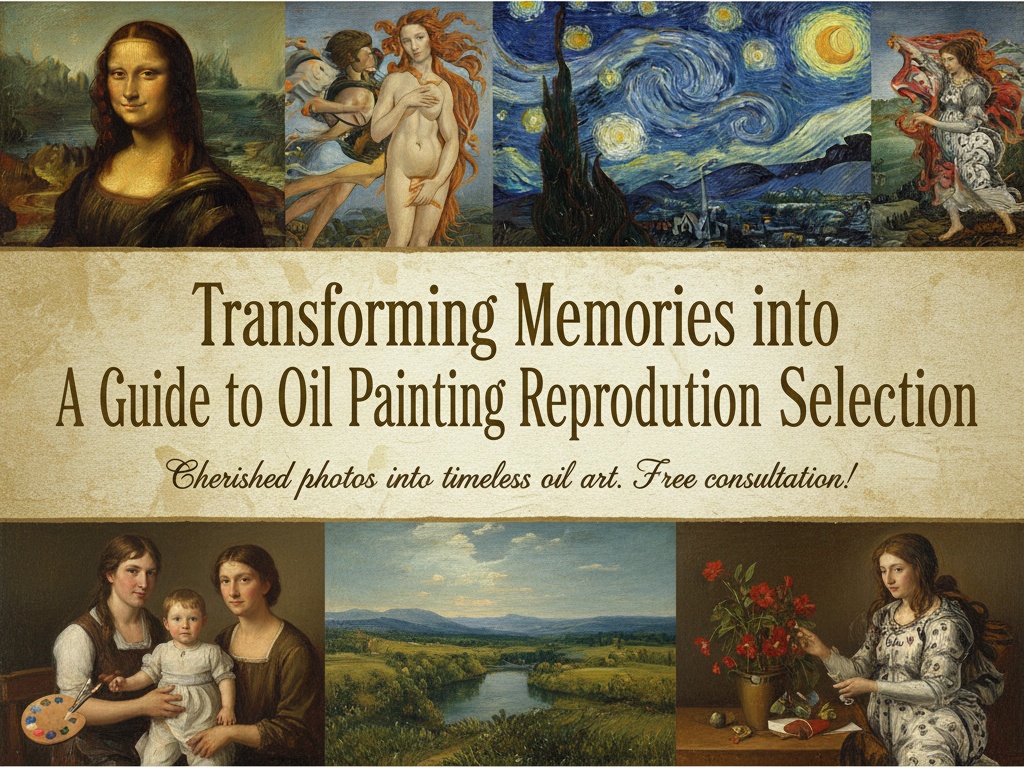
The desire to possess a beloved image, rendered with the enduring beauty of oil paint, is as old as the medium itself. Yet, navigating the world of oil painting reproduction can be surprisingly complex. It’s crucial to understand that not all reproductions are created equal, and a nuanced vocabulary helps ensure you receive a piece aligned with your expectations and budget. Historically, students honed their skills by meticulously copying masterworks – a practice dating back to the Renaissance workshops. These weren't merely exercises in imitation; they were profound studies of technique, composition, and color theory. Today’s reproductions fall into several categories. A “Studio Reproduction” suggests creation within an artist’s workshop, potentially with some level of oversight or participation from the master. More common is a work described as being “in the Circle of,” indicating it was created by someone associated with the original artist, often during their lifetime. “After” denotes a direct copy, while “Style Of” implies an interpretation inspired by the artist’s aesthetic but executed independently. Recognizing these distinctions is paramount; they impact not only the price point but also the artwork's historical significance and potential value.
Choosing the Right Photograph: Key Qualities for Successful Reproduction
The foundation of any successful photo-to-painting reproduction lies in the quality of the original photograph. Think of your image as the blueprint for a new masterpiece; its flaws will be faithfully translated onto canvas, and its strengths magnified by the artist’s skill. Resolution is paramount – aim for at least 300 DPI (dots per inch) to ensure sufficient detail for even large-scale reproductions. Blurry or pixelated images simply won't translate well. Beyond resolution, consider lighting. Soft, diffused light generally yields the most flattering results, minimizing harsh shadows and highlighting subtle nuances in skin tones and textures. Avoid overly bright or washed-out photos, as these can lack depth and dimension. Crucially, the emotional impact of your photograph is key. A genuine smile, a tender embrace – these are the elements that will resonate most powerfully when rendered in paint. Don't settle for a technically perfect but emotionally flat image; choose a photo that truly captures the essence of the moment.
Composition, Lighting, and Detail: Maximizing Impact in Your Source Image
While a skilled artist can work wonders with less-than-ideal source material, thoughtful composition significantly enhances the final reproduction. Consider the rule of thirds – positioning key elements off-center creates visual interest and dynamism. Avoid cluttered backgrounds that distract from the main subject; simplicity often yields the most striking results. Lighting plays an equally vital role. Backlighting can create a dramatic silhouette effect, while side lighting accentuates textures and contours. Pay attention to shadows; they add depth and dimension but should be subtle and natural. Detail is crucial, particularly for portraits. Ensure facial features are clearly visible and in focus. A photograph with sharp details allows the artist to accurately capture likenesses and convey personality. Think about the overall mood you wish to evoke. Warm lighting creates a sense of intimacy and nostalgia, while cool lighting conveys sophistication and elegance. The more carefully you consider these elements, the more satisfying your final reproduction will be.
Working with Artists: Customization Options and Collaboration
The true magic happens when you collaborate with a skilled artist. Reputable services like OriginalUniqueArt.com connect you with professional painters capable of transforming your vision into reality. Don’t hesitate to discuss your preferences in detail – from the desired style (Impressionistic, Renaissance, Modern) to specific color palettes and brushstroke techniques. Many artists are happy to provide digital mockups before beginning the painting process, allowing you to preview the composition and make adjustments as needed. This collaborative approach ensures that the final artwork aligns perfectly with your expectations. Consider requesting subtle alterations – perhaps adjusting a background element or enhancing certain features. A skilled artist can seamlessly integrate these changes while maintaining the overall integrity of the image. Remember, this is *your* masterpiece; don’t be afraid to voice your opinions and actively participate in the creative process.
Preserving Authenticity vs. Personal Expression: Balancing Fidelity and Artistic Interpretation
A common dilemma arises when commissioning a reproduction: how closely should it adhere to the original photograph? While some clients desire an exact replica, others prefer a more artistic interpretation that captures the *spirit* of the image rather than its literal details. There’s no right or wrong answer; it depends entirely on your personal preferences. However, understanding the artist's approach is crucial. A truly skilled painter won’t simply copy your photograph pixel for pixel; they will infuse their own expertise and artistic sensibility into the work. This often results in a more dynamic and engaging reproduction that transcends mere imitation. Consider requesting subtle enhancements – perhaps softening certain lines or adding depth to shadows. A delicate balance between fidelity and personal expression is key. You want a painting that accurately captures the likeness of your loved ones but also possesses its own unique character and artistic merit.
Beyond the Canvas: Framing, Materials, and Long-Term Care of Your Reproduction
The journey doesn’t end with the completion of the painting itself. Framing plays a crucial role in enhancing its aesthetic appeal and protecting it from damage. Choose a frame that complements the artwork's style and color palette – classic wooden frames suit traditional portraits, while modern metal frames complement contemporary pieces. The quality of the canvas and paints is equally important. Opt for 100% cotton canvas stretched over a sturdy wood frame; this ensures longevity and prevents warping. Oil paints should be archival-quality, resistant to fading and cracking. Finally, proper care is essential for preserving your investment. Avoid direct sunlight, which can cause colors to fade over time. Dust the painting regularly with a soft cloth and consider applying a protective varnish to shield it from dirt and moisture. With careful attention to these details, your oil painting reproduction will remain a cherished heirloom for generations to come. At OriginalUniqueArt.com, we offer expert framing services, premium-grade materials, and personalized consultations to ensure your artwork is not only beautiful but also built to last.