Defining the Narrative: Aligning Mural Scale with Architectural Intent
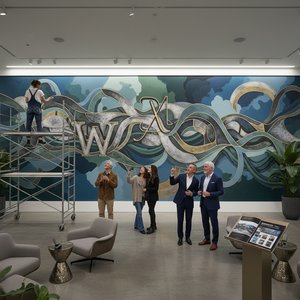
In the realm of luxury hospitality, a wall is never merely a boundary; it is a canvas for storytelling. For the discerning hotel designer, the challenge lies in transcending the transient nature of decor to create an immersive atmosphere that resonates with the soul of the architecture. A large-scale mural possesses the unique power to alter the perceived dimensions of a lobby or the intimacy of a suite, acting as a silent protagonist within the design narrative. When we consider the profound impact of scale, we are not simply discussing square footage, but rather the emotional weight an image carries when it envelops a guest's field of vision.
The success of such a commission begins with a deep understanding of spatial psychology. A grand, sweeping fresco in a high-ceilinged atrium can evoke the celestial awe found in Renaissance chapels, while a more restrained, geometric abstraction might provide a grounding, modern sophistication to a contemporary lounge. The intention must be singular: to harmonize the artwork with the structural rhythm of the building. Whether one is seeking to replicate the dramatic intensity of Fra Angelico’s devotional works or the rhythmic precision of Sol LeWitt’s wall drawings, the mural must feel as though it emerged from the very bones of the architecture, rather than being merely applied to its surface.
The Art of Curation: Selecting Styles from Minimalist Abstraction to Renaissance Grandeur
Curation is an exercise in historical dialogue. To commission a mural is to invite the ghosts of art history into a modern space. The designer must navigate a vast spectrum of aesthetic possibilities, ranging from the bold, graphic energy of Pop Art—reminiscent of Roy Lichtenstein’s vibrant brushstrokes—to the delicate, light-drenched textures of Impressionism. This selection process requires an eye for how color palettes and stylistic eras interact with contemporary lighting and materiality. A room draped in velvet and dark woods may find its perfect counterpart in a heavy, impasto oil reproduction that emphasizes texture and shadow, whereas a minimalist, glass-heavy space might demand the clean lines of geometric abstraction.
Beyond mere aesthetics, the choice of style serves as a branding tool for the hospitality professional. A "Period Shift" can be particularly transformative; imagine the audacity of reimagining a contemporary photographic scene through the lens of a 17th-century Rembrandt masterpiece. This level of customization allows designers to create bespoke environments that are entirely inimitable. By selecting styles that range from the classical to the avant-garde, the designer crafts a curated experience that speaks to a global, sophisticated clientele, ensuring that every corner of the property offers a new layer of discovery and cultural depth.
Technical Mastery: Navigating Materials, Mediums, and Large-Format Engineering
The transition from a conceptual vision to a physical reality requires rigorous technical oversight. For large-scale projects, the medium is as vital as the message. While digital prints offer convenience, they often lack the tactile "soul" required for true luxury. The pinnacle of mural art remains the hand-painted oil reproduction, where the visible brushstrokes and the depth of the pigment create a three-scale dimension that flat prints cannot replicate. These works are meticulously executed on high-quality cotton canvas, utilizing specialized chemistry—such as flexible gesso to prevent cracking and safflower oils to ensure whites remain pristine—to guarantee longevity.
Engineering large-format art presents unique logistical challenges that demand professional expertise. For expansive hotel walls or sweeping staircases, the use of multi-panel layouts can create a breathtaking modern effect, where a single composition is intelligently split across three, four, or even five panels to follow the architectural flow. Furthermore, for those seeking to recreate historical grandeur, such as ceiling frescoes, the ability to install massive canvas rolls similarly to high-end wallpaper allows for the seamless transformation of entire rooms. This technical precision ensures that the artwork remains structurally sound and visually cohesive, regardless of the complexity of the installation site.
The Commissioning Workflow: From Digital Mockups to Final Installation
A seamless commissioning process is essential to mitigate the inherent uncertainties of large-scale art production. The journey begins with a collaborative phase where digital innovation meets traditional craftsmanship. To eliminate guesswork, the use of professional digital mockups is indispensable; these allow designers to visualize the composition, color accuracy, and scale within a photograph of the actual site before a single drop of paint touches the canvas. This stage provides an opportunity for unlimited revisions, ensuring that the final piece aligns perfectly with the designer's color analysis and spatial requirements.
Once the vision is solidified, the project moves into the hands of master artists—specialists trained in prestigious academies who bring academic excellence to every stroke. The workflow is characterized by transparency and rigorous quality control, involving a dedicated Project Coordinator who serves as the single point of contact. From the initial digital approval to the pre-shipment photograph, where the client can request final adjustments, the process is designed to uphold museum-grade standards. Upon completion, the artwork is prepared for global transit using industrial-grade protection, ensuring that whether the destination is Milan, Mexico City, or New York, the masterpiece arrives in pristine condition, ready for a professional installation that completes the architectural vision.
Preserving the Legacy: Long-term Maintenance and Environmental Protection
A commissioned mural is a significant capital investment and a lasting legacy of the property's identity. Therefore, the final stage of the guide focuses on the science of preservation. To protect the integrity of hand-painted oils, it is crucial to consider the environmental variables of the installation site. The application of a high-quality Damar varnish serves as a vital shield against dust, moisture, and atmospheric pollutants, maintaining the vibrancy of the pigments for generations. Designers must also be mindful of light exposure; while art thrives in well-lit spaces, direct, harsh sunlight can lead to pigment degradation over decades.
For those utilizing framed pieces or high-end prints, implementing acid-free matting and creating a small air gap between the art and the glass can prevent moisture-induced damage. The goal is to ensure that the artwork remains as breathtaking in twenty years as it was on the day of installation. By adhering to these preservation principles, the designer ensures that the mural remains a permanent fixture of the hotel's prestige, continuing to enchant guests and uphold the property's reputation for unparalleled luxury and cultural sophistication.
Discover the pinnacle of bespoke art at OriginalUniqueArt.com. From custom portrait commissions to large-scale architectural murals, we bring master-level artistry to the world's most prestigious spaces.