
The Aftermath & The Rise of Modernism: Setting the Stage for Artistic Change
Modernism was an early 20th-century movement in literature, visual arts, performing arts, and music that emphasized experimentation, abstraction, and subjective experience. Philosophy, politics, architecture, and social issues were all aspects of thi...
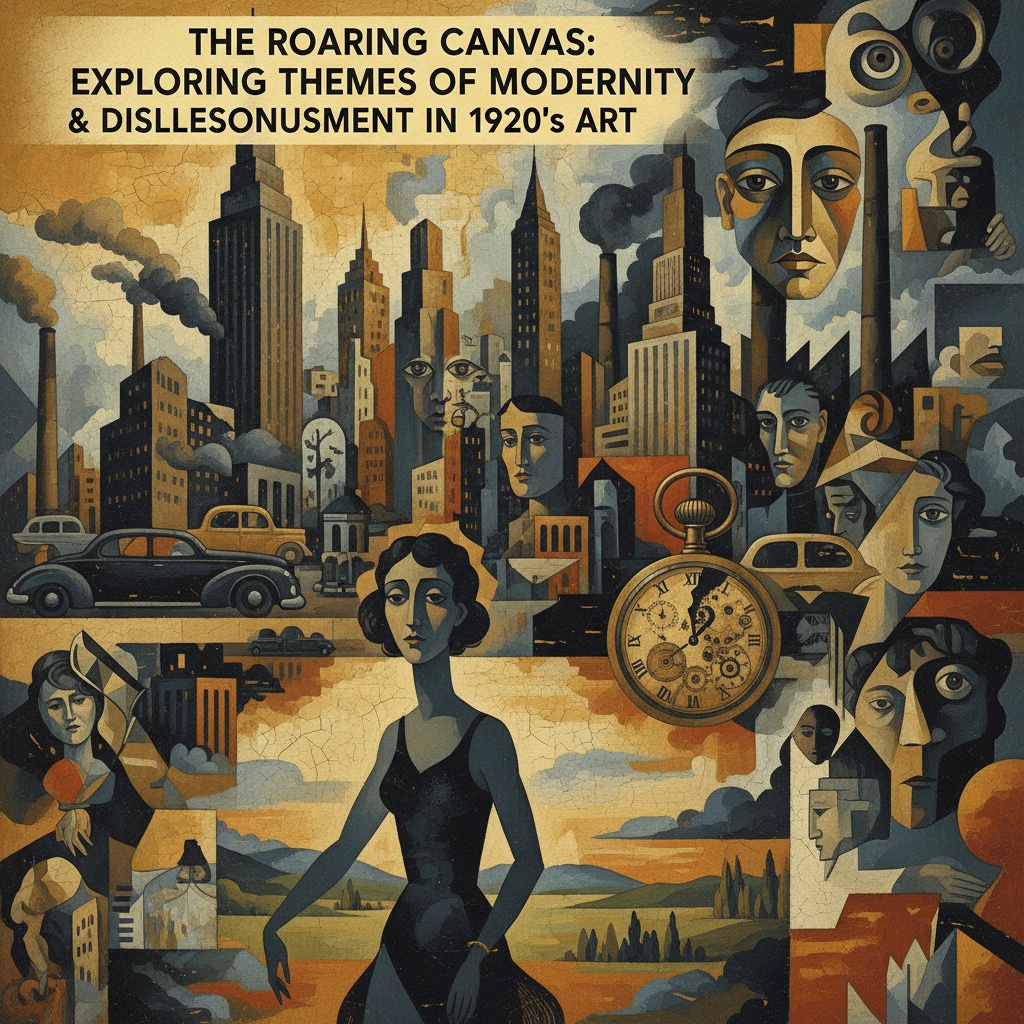
The First World War irrevocably shattered established norms, leaving a generation grappling with disillusionment and a profound sense of loss. This seismic shift in societal consciousness fueled an artistic revolution – Modernism – that rejected traditional academic styles in favor of experimentation, abstraction, and subjective experience. No longer content to merely *represent* reality, artists sought to capture the internal emotional landscape, the fragmented nature of perception, and the anxieties of a rapidly changing world. The pre-war optimism had evaporated, replaced by a questioning spirit that permeated every facet of creative expression. This wasn’t simply a stylistic shift; it was a fundamental reevaluation of art's purpose – from mirroring life to interpreting it, dissecting it, and ultimately, reinventing it. The seeds of this transformation were sown in the late 19th century with movements like Impressionism and Post-Impressionism, but it was the post-war climate that allowed Modernism to truly flourish, paving the way for the distinctive aesthetic sensibilities of the 1920s.
Art Deco's Glamour: A Celebration of Progress and Ornamentation
Art Deco, short for the French Arts décoratifs (lit. 'Decorative Arts'), is a style of visual arts, architecture, and product design that first appeared in Paris in the 1910s just before World War I and flourished internationally during the 1920s to ...
Emerging from the Parisian art scene in the 1910s, Art Deco became synonymous with luxury, sophistication, and a bold embrace of modernity. A reaction against the austerity of wartime and the perceived excesses of earlier styles like Art Nouveau, it celebrated technological progress, industrial design, and exotic influences. Think sleek skyscrapers adorned with geometric patterns, opulent interiors featuring rich materials and vibrant colors, and streamlined objects embodying both functionality and elegance. The 1925 Exposition Internationale des Arts Décoratifs et Industriels Modernes in Paris cemented its status as the defining style of the era. Artists like Tamara de Lempicka perfectly embodied this aesthetic – her portraits exuding a cool confidence, stylized forms, and a fascination with aristocracy and modern femininity. The Chrysler Building, a towering testament to Art Deco architecture, stands as an enduring symbol of this period’s ambition and optimism. It wasn't merely about beauty; it was about projecting a vision of the future – one filled with innovation, prosperity, and refined taste.
Jazz Age Aesthetics: Capturing the Rhythm of a New Era
The “Roaring Twenties” earned its name from the infectious energy of jazz music, which permeated American culture and beyond. Originating in African-American communities in New Orleans, jazz wasn’t just a musical genre; it was a cultural phenomenon that reflected a newfound freedom, spontaneity, and rebellion against societal constraints. This vibrant rhythm found its way into visual arts, influencing composition, color palettes, and subject matter. Artists sought to capture the dynamism of dance halls, the excitement of speakeasies, and the spirit of flappers – embodying a generation’s rejection of Victorian morality. The Jazz Age wasn't simply *depicted* in art; it was felt. The bold lines and vibrant colors often seen in paintings from this period mirror the syncopated rhythms and improvisational nature of jazz itself. This era also saw an increased focus on nightlife, bohemian culture, and a celebration of youth – themes vividly portrayed by artists exploring urban landscapes and social scenes.
Surrealism & Psychological Depth: Exploring the Unconscious in 1920s Art
While Art Deco celebrated the surface glamour of modernity, Surrealism delved into the depths of the human psyche. Born out of Dada’s anti-rational spirit and heavily influenced by the psychoanalytic theories of Sigmund Freud, Surrealism sought to unlock the power of dreams, the unconscious mind, and irrationality. Artists like Salvador Dalí challenged conventional notions of reality, creating bizarre and dreamlike imagery that often explored themes of desire, anxiety, and the subconscious. His early work from the 1920s, such as “Untitled - Scene in a Cabaret in Madrid,” showcases this fascination with psychological depth and the unsettling beauty of the irrational. This movement wasn’t about creating visually pleasing compositions; it was about provoking thought, challenging perceptions, and revealing hidden truths within the human mind. The exploration of symbolism became paramount, inviting viewers to interpret meaning beyond the literal representation of objects.
Beyond Representation: Abstraction, Cubism, and the Fragmentation of Form
The rejection of traditional representation reached its apex with the rise of abstraction and movements like Cubism. Artists such as Pablo Picasso continued to push boundaries, dismantling forms and reconstructing them in fragmented compositions that challenged conventional perspective and spatial relationships. This wasn’t about depicting objects *as they appeared* but rather exploring their underlying structure and multiple viewpoints simultaneously. “The painter and his model 10” exemplifies this approach, showcasing Picasso's mastery of geometric forms and his exploration of the relationship between artist, subject, and representation. Abstraction took this further, completely abandoning recognizable imagery in favor of pure form, color, and texture. Artists like Zao Wou-Ki, though emerging later, built upon these foundations, bridging Eastern and Western artistic traditions with lyrical abstract landscapes that evoked emotional responses through color and composition rather than literal depiction. This pursuit of non-representational art reflected a desire to move beyond the limitations of visual perception and explore the essence of form itself.
The Legacy of the Roaring Twenties: Enduring Influence on Contemporary Art
The artistic innovations of the 1920s continue to resonate today. Art Deco’s influence can be seen in contemporary architecture, graphic design, and fashion, while Surrealism's exploration of the subconscious continues to inspire artists across various mediums. The bold experimentation with form, color, and subject matter paved the way for countless subsequent movements, shaping the landscape of modern and contemporary art. Artists like Florine Stettheimer, celebrated for her vibrant portraits and feminist themes, demonstrate the era’s commitment to social commentary alongside aesthetic innovation. The spirit of questioning established norms, embracing individuality, and pushing creative boundaries remains a defining characteristic of artistic expression. At OriginalUniqueArt.com, we celebrate this legacy by offering museum-quality reproductions that allow you to bring the masterpieces of the Roaring Twenties into your own home, preserving the spirit of innovation and beauty for generations to come.



