Introduction: Defining Intimacy – Beyond Physicality
 Exploring Emotional Depth in Art: A Cross-Historical Analysis of Affective Representation
Explore the rich history of emotional representation in art! This analysis delves into affect theory, Romanticism, Goya's masterpieces & color psychology. Discover how artists evoke feeling and connect with viewers across time.
The concept of intimacy often conjures images of closeness, perhaps a tender embrace or shared confidences. Yet, to truly understand its power within the realm of art history requires moving beyond such literal interpretations. Intimacy, as depicted through brushstrokes and sculpted forms, is rarely simply about physical proximity; it’s a far more nuanced exploration of psychological states, hidden desires, and the very essence of human connection. It's about being *seen*, truly seen, by another – or, in the case of art, allowing oneself to be seen by generations removed from one’s own time. Throughout history, artists have grappled with representing this elusive quality, employing symbolism, gesture, and technique to convey a depth of feeling that transcends mere representation. This exploration isn't solely about romantic love; it encompasses familial bonds, spiritual devotion, and even the unsettling vulnerability of isolation.
The Renaissance Gaze: Courtly Love & Hidden Desires
The Italian Renaissance witnessed a flowering of artistic expression deeply intertwined with the ideals of courtly love. While outwardly celebrating idealized beauty and noble romance, many paintings subtly hinted at a more complex undercurrent of longing and unspoken desire. Consider the portraits commissioned by wealthy patrons – often not simply depictions of likeness but carefully constructed narratives designed to project an image of power, status, and refined sensibility. The gaze itself became a powerful tool; a lingering look, a subtle shift in posture could convey volumes about the relationship between sitter and artist, or even the sitter’s unacknowledged affections. The meticulous detail lavished on fabrics and jewels wasn't merely decorative but served to emphasize the subject’s desirability and social standing. These works often operated within a strict code of conduct, where direct expressions of passion were forbidden, forcing artists to rely on symbolism – a wilting flower representing lost innocence, or a closed garden signifying hidden emotions.
Romanticism's Embrace: Emotion, Subjectivity, and the Inner Life
The Romantic era marked a dramatic shift in artistic focus, prioritizing emotion, subjectivity, and the power of individual experience. Artists rejected the rigid formality of previous generations, turning inward to explore the depths of their own psyches. This newfound emphasis on inner life naturally led to a more direct exploration of intimacy – not as a societal construct but as a raw, visceral force. Figures were often depicted in moments of intense emotional turmoil or quiet contemplation, revealing vulnerability and longing. The landscapes themselves became imbued with psychological weight, mirroring the artist’s internal state. Think of Caspar David Friedrich's solitary figures dwarfed by vast natural vistas – these aren’t simply depictions of scenery but powerful metaphors for human isolation and the search for spiritual connection. Color palettes shifted towards richer, more evocative tones, further enhancing the emotional impact of the works.
Modern Disruptions: Bacon, Modigliani, and the Fragmentation of Connection
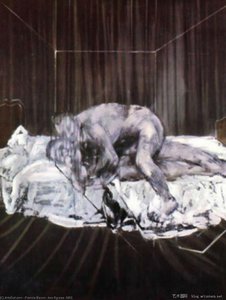 two figures, 1953
Inspired by Picasso's Guernica, "Two Figures" exemplifies Bacon's preoccupation with themes of violence, isolation, and primal instinct. It remains a powerful symbol of existential angst.
The 20th century brought with it a profound sense of alienation and fragmentation, reflected in the art of the period. Artists like Francis Bacon challenged traditional notions of beauty and representation, depicting figures distorted by pain, violence, and existential angst. His “Two Figures” (1953), inspired by Picasso’s “Guernica,” is a harrowing exploration of isolation and primal instinct, stripping away any pretense of romantic idealism. Simultaneously, Amedeo Modigliani offered a different perspective on intimacy – his haunting portraits, such as “The Typographer (Pedro),” capture the intense emotion and psychological depth of his subjects through thick impasto and bold lines. Modigliani’s elongated forms and mask-like faces suggest a sense of detachment and melancholy, hinting at the loneliness that often underlies human connection. Both artists, in their distinct ways, reflected the anxieties and uncertainties of a rapidly changing world, questioning the very possibility of genuine intimacy.
Contemporary Explorations: Chantal Joffe and the Vulnerability of Portraiture
 Chantal Joffe
Chantal Joffe RA is a British figurative painter known for large-scale expressive portraits of women & children. Her work explores femininity, distortion, intimacy, and art history with a unique blend of charm & unsettling psychological depth. Awarde
Today’s artists continue to grapple with the complexities of intimacy, often pushing boundaries and challenging conventional representations. Chantal Joffe RA is a British figurative painter known for her large-scale expressive portraits of women and children. Her work explores femininity, distortion, and unsettling psychological depth with a unique blend of charm and vulnerability. Joffe’s paintings aren't about creating idealized images; they are raw, honest depictions of the human form, flaws and all. She often focuses on moments of quiet introspection or everyday life, revealing the subtle nuances of emotion that lie beneath the surface. Her portraits invite viewers to confront their own perceptions of beauty and vulnerability, prompting a deeper consideration of what it means to truly connect with another person.
Commissioning Intimacy: Bespoke Art & Personal Narratives
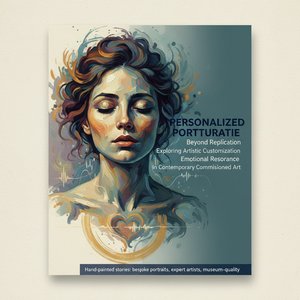 Personalized Portraiture Beyond Replication: Exploring Artistic Customization and Emotional Resonance in Contemporary Commissioned Art
Commission a unique, hand-painted portrait that captures your story & cherished memories. Expert artists, personalized service & museum-quality results. Explore the art of bespoke portraiture today!
The desire for personalized connection extends beyond simply viewing art; many seek to *create* artworks that reflect their own unique stories and cherished memories. At OriginalUniqueArt, we specialize in transforming personal photos into exquisite, hand-painted oil paintings. This process allows you to commission a truly bespoke piece – choosing the size, style, and framing to perfectly capture your vision. Whether it’s a portrait of a loved one, a recreation of a meaningful scene, or an artwork inspired by a favorite master, our skilled artists work closely with you every step of the way. The result is not merely a reproduction but a unique heirloom – a tangible expression of your emotions and a lasting tribute to those you hold dear. We offer digital mockups for complex orders, ensuring complete satisfaction before the final painting begins. Exploring emotional realism in contemporary portraiture, as we do at OriginalUniqueArt, allows discerning collectors to invest in pieces that resonate deeply on a personal level, transforming spaces and evoking cherished memories for generations to come. Contact us today for a free consultation – let us help you bring your vision to life.