Introduction: The Enduring Appeal of Status Through Art
From the earliest cave paintings depicting successful hunts to contemporary installations commanding millions, art has always been inextricably linked with status. It’s a fundamental human impulse – to create, possess, and display objects that signify power, wealth, taste, and belonging. But what constitutes a ‘status symbol’ is far from static; it shifts across cultures and epochs, reflecting evolving societal values and aspirations. The desire for recognition, the assertion of identity, and the accumulation of prestige are all woven into the very fabric of artistic creation and collection. This exploration delves into the rich history of these symbols, tracing their evolution through time and revealing how art continues to serve as a potent marker of distinction.
Ancient Origins: Material Culture as Declarations of Power
Material culture is culture manifested by the physical objects and architecture of a society. The term is primarily used in archaeology and anthropology, but is also of interest to sociology, geography and history. The field considers artifacts in re...
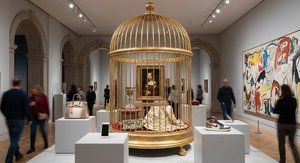
Long before formal economies existed, material possessions served as immediate indicators of social standing. In ancient civilizations, access to rare materials – jade in China, gold in Egypt, obsidian in Mesoamerica – dictated who held power and influence. These weren’t merely aesthetic choices; they were deliberate statements. Consider the elaborate burial rituals of Egyptian pharaohs, replete with treasures intended not only for the afterlife but also as a testament to their earthly authority. Similarly, the intricate bronze work of the Shang Dynasty signaled the ruler's control over resources and skilled artisans. These objects weren’t simply beautiful; they were tangible representations of dominion, meticulously crafted to project an image of strength and divine favor. The very act of commissioning such works demonstrated the ability to command labor and access precious commodities – a clear signal of elevated status. The concept of ‘material culture,’ encompassing all physical objects created by a society, provides a crucial lens through which to understand these early expressions of power.
Renaissance Portraits: Displaying Wealth, Lineage, and Virtue
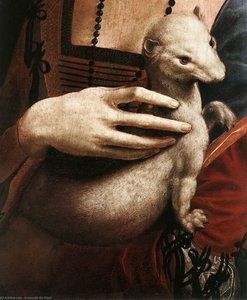 Portrait of Cecilia Gallerani (detail)
The Lady with an Ermine (Cecilia Gallerani) is a monumental oil painting by Leonardo da Vinci created around 1489-1490 for Ludovico Sforza’s Milanese court. Featuring Cecilia Gallerani holding an ermine, it exemplifies sfumato technique and meticulou...
The Renaissance witnessed a dramatic shift in the articulation of status, moving beyond purely material displays towards a more nuanced emphasis on individual achievement and refined taste. Portraiture became *the* defining genre for showcasing wealth, lineage, and intellectual prowess. Commissioning a portrait by a master like Leonardo da Vinci wasn’t simply about capturing one's likeness; it was an investment in immortality and a declaration of belonging to the elite circles of society. Leonardo’s “Portrait of Cecilia Gallerani,” often referred to as *The Lady with an Ermine*, exemplifies this perfectly.
Cecilia wasn’t merely depicted; she was presented as a woman of intellect and grace, her refined features and elegant pose conveying sophistication. Crucially, the inclusion of the ermine – a symbol associated with purity and nobility – subtly reinforced her family's status and Ludovico Sforza’s court. The sfumato technique itself, requiring immense skill and patience, signaled the patron’s willingness to invest in artistic excellence. The meticulous detail in fabrics, jewelry, and hairstyles further emphasized wealth and access to luxury goods. These portraits weren’t just images; they were carefully constructed narratives designed to elevate the sitter's social standing.
The Dutch Golden Age: Subtle Signifiers in Domestic Scenes
 Portrait of Maria Tripp
Rembrandt's 'Portrait of Maria Tripp' (1639) captures the young woman's elegance and subtle charm. Explore this masterpiece at the Rijksmuseum!
In contrast to the overt displays of Renaissance portraiture, status symbolism in 17th-century Dutch painting often manifested through more subtle means. The burgeoning merchant class sought to project their newfound wealth and respectability not through grand pronouncements but through carefully curated domestic scenes. Rembrandt’s “Portrait of Maria Tripp” (1639), for example, doesn't feature ostentatious displays of riches. Instead, it focuses on the sitter’s elegant attire, delicate features, and composed demeanor – qualities associated with refinement and good breeding. Similarly, his painting Rembrandt’s Wife with Pearls in her Hair showcases a quiet luxury through the subtle gleam of pearls and the rich textures of fabrics. These paintings weren't about flaunting wealth; they were about demonstrating *taste* and adherence to social norms.
The inclusion of specific objects – exotic spices, rare books, imported porcelain – also served as discreet indicators of affluence and global connections. The very act of commissioning a painting from a respected artist signaled the patron’s discerning eye and financial stability. Dutch still lifes, overflowing with opulent fruits and elaborate arrangements, similarly conveyed prosperity and abundance.
Modernity & Beyond: Shifting Symbols and the Rise of Consumerism
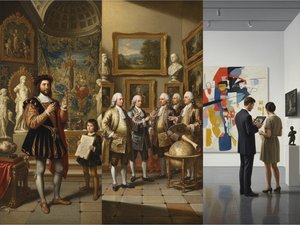
The advent of industrialization and mass production fundamentally altered the landscape of status symbolism. As luxury goods became more accessible, their power to signify exclusivity diminished. The 20th century witnessed a shift towards new markers of distinction – designer brands, cutting-edge technology, and avant-garde art. Pop Art, with its embrace of consumer culture, ironically both celebrated and critiqued the commodification of status symbols. Artists like Andy Warhol elevated everyday objects to iconic status, blurring the lines between high art and popular culture.
Today, status symbolism is increasingly fluid and multifaceted. Experiences – travel, education, exclusive events – often outweigh material possessions in terms of perceived value. However, the desire for artistic expression remains a potent indicator of social standing. Owning works by established artists continues to be a mark of sophistication and cultural capital.
Collecting as a Statement: Curating Identity and Legacy
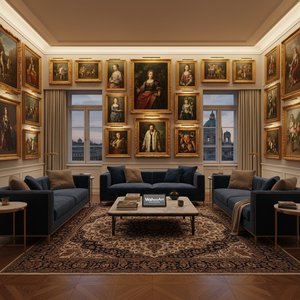
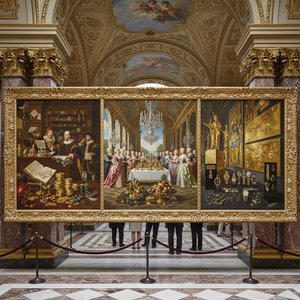
Ultimately, collecting art transcends mere acquisition; it’s an act of self-definition and legacy building. The artworks we choose to surround ourselves with reflect our values, aspirations, and intellectual pursuits. A carefully curated collection can serve as a powerful statement about one's identity – a testament to refined taste, historical knowledge, and discerning judgment. The Brooklyn Museum’s “Status Symbols” series, for example, explores the complex relationship between art, culture, and social power in contemporary society.
Whether it’s a Renaissance masterpiece or a cutting-edge contemporary work, art continues to serve as a potent symbol of status – a tangible expression of our place in the world. At OriginalUniqueArt.com, we believe that everyone deserves access to the beauty and prestige of fine art. From handmade oil paintings meticulously crafted by skilled artisans to museum-quality prints, we offer a diverse collection designed to elevate your space and reflect your unique style. Explore our extensive library today and discover the perfect artwork to curate your own legacy.