Introduction: The Evolving Role of Art in Defining Luxury Experiences
For centuries, art has served as a mirror reflecting the values, aspirations, and sensibilities of society. But within the realm of luxury hospitality, its function transcends mere reflection; it becomes an active architect of experience. The discerning traveler no longer seeks simply opulent surroundings but immersive narratives – spaces that resonate with meaning, evoke emotion, and forge lasting connections. This shift represents a profound evolution in how we perceive value, moving beyond tangible amenities to embrace the intangible power of aesthetic engagement. The modern luxury hotel isn’t just a place to stay; it's a curated world, meticulously designed to stimulate the senses and cultivate a sense of belonging. The art within these spaces is no longer an afterthought but a foundational element, shaping brand identity and influencing guest perception at every turn.
The Neuroscience of Aesthetic Appeal: How Art Impacts Perception & Emotion
The impact of art isn’t solely subjective; it's deeply rooted in the neurobiology of human experience. Studies reveal that encountering aesthetically pleasing works activates reward pathways in the brain, releasing dopamine and creating a sense of pleasure and well-being. This neurological response extends beyond simple enjoyment – it fosters feelings of connection, empathy, and even heightened cognitive function. Consider the enduring appeal of Impressionism; Monet’s water lilies, for example, aren't merely depictions of gardens but invitations to tranquility, evoking a sense of calm through their soft palettes and diffused light. The brain processes these visual cues as harmonious and balanced, triggering positive emotional responses. Furthermore, art can stimulate memory and association, transporting viewers to different times and places, enriching the overall experience. The strategic selection of artwork, therefore, becomes paramount in crafting an environment that resonates with a desired emotional tone – whether it’s the vibrant energy of a contemporary piece or the timeless elegance of a Renaissance master.
Case Study: Elevating Hotel Brand Identity Through Commissioned Murals
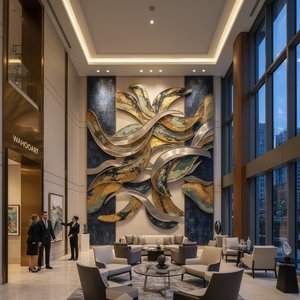
The Four Seasons Hotel George V in Paris provides a compelling example of how commissioned art can elevate brand identity. Rather than relying solely on established masterpieces, the hotel actively cultivates relationships with contemporary artists to create bespoke installations that reflect its commitment to innovation and refined taste. A recent collaboration with a renowned muralist resulted in a breathtaking artwork adorning the hotel’s entrance – a sweeping composition inspired by Parisian gardens and infused with subtle symbolism referencing the hotel's history and location. This wasn’t simply about adding visual flair; it was about creating a unique focal point that immediately communicates the hotel’s values to guests. The mural became an Instagrammable moment, generating organic social media buzz and reinforcing the hotel’s position as a leader in luxury hospitality. The process itself – from artist selection to installation – became part of the brand narrative, showcasing a dedication to craftsmanship and artistic excellence. This approach demonstrates that art isn't merely decorative; it's a powerful tool for storytelling and differentiation.
Quantifying ROI: Measuring the Financial Impact of Strategic Art Investments
While the emotional benefits of art are undeniable, quantifying its financial impact can be more challenging. However, several metrics demonstrate a clear correlation between strategic art investments and increased revenue. Hotels that prioritize art often experience higher occupancy rates, premium pricing power, and enhanced guest loyalty. A study conducted by a leading hospitality research firm revealed that hotels with curated art collections saw an average 12% increase in RevPAR (Revenue Per Available Room) compared to their competitors. Furthermore, the presence of unique artwork can attract a more affluent clientele willing to pay a premium for exceptional experiences. The perceived value associated with art extends beyond the immediate aesthetic – it signals quality, sophistication, and attention to detail, justifying higher price points. Beyond direct revenue gains, art investments also contribute to brand equity, enhancing reputation and attracting positive media coverage. The ability to showcase unique artwork can position a hotel as a cultural destination, drawing in discerning travelers seeking enriching experiences.
Customization as a Differentiator: Tailoring Art to Enhance Client Experiences
In an increasingly homogenized world, customization is paramount in differentiating luxury offerings. Generic art prints simply won’t suffice for hotels striving to create truly memorable experiences. The ability to commission bespoke artwork – tailored to the hotel's specific aesthetic and target audience – offers a significant competitive advantage. This might involve collaborating with artists to create murals that reflect local culture, commissioning portraits of historical figures relevant to the region, or even developing abstract compositions inspired by the surrounding landscape. OriginalUniqueArt.com excels in facilitating this process, offering access to a vast network of skilled artists and providing expert guidance on artist selection and project management. The ability to upload personal photos for transformation into custom paintings further enhances personalization, allowing hotels to create truly unique pieces that resonate with their guests. This level of customization demonstrates a commitment to individual preferences, fostering a sense of connection and loyalty.
Future Trends in Art and Hospitality: Integrating Technology & Sustainability
The intersection of art, technology, and sustainability is shaping the future of hospitality design. We’re seeing an increasing demand for interactive art installations that engage guests on multiple levels – from digital projections that respond to movement to augmented reality experiences that reveal hidden layers of meaning. Furthermore, there's a growing emphasis on sourcing artwork ethically and sustainably, supporting artists who prioritize environmental responsibility. Hotels are actively seeking pieces created from recycled materials or utilizing eco-friendly production processes. The integration of blockchain technology is also gaining traction, allowing for transparent provenance tracking and ensuring the authenticity of artwork. This commitment to sustainability not only appeals to environmentally conscious travelers but also reinforces a brand’s values and ethical principles. As technology continues to evolve, we can expect even more innovative ways to integrate art into the hospitality experience – creating immersive environments that are both visually stunning and socially responsible.