Early Life & Artistic Prodigy: The Foundations of Landseer’s Talent
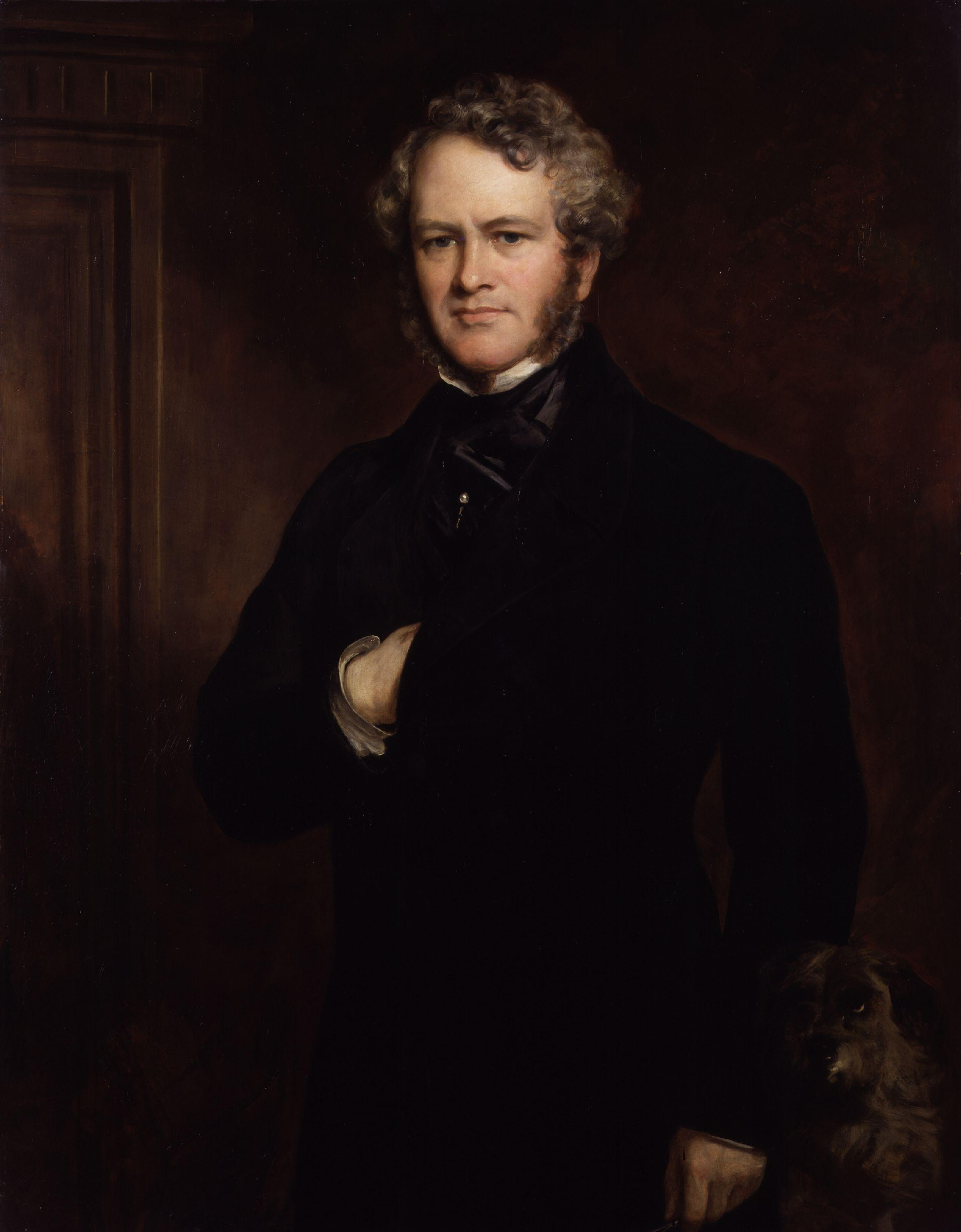 Wikipedia: Edwin Landseer
Sir Edwin Henry Landseer (7 March 1802 – 1 October 1873) was an English painter and sculptor, well known for his paintings of animals – particularly horses, dogs, and stags. His best-known work is the lion sculptures at the base of Nelson's Column i...
Sir Edwin Henry Landseer, a name synonymous with the majestic depiction of animals in 19th-century British art, was not merely a painter; he was a cultural phenomenon. Born in London on March 7, 1802, to John Landseer, an accomplished engraver and writer, young Edwin’s artistic inclinations manifested remarkably early. His father, recognizing his son's exceptional gift, nurtured it with dedicated instruction and encouragement. Unlike many aspiring artists who underwent rigorous academic training from a tender age, Landseer’s education was initially informal, centered around direct observation of the natural world. Frequent walks through the countryside became formative experiences, where he sketched sheep, goats, and donkeys – humble beginnings that laid the groundwork for his future mastery. By the astonishing age of thirteen, Landseer had already exhibited works at the Royal Academy, a testament to his precocious talent and unwavering dedication. This early success wasn’t simply about technical skill; it was an innate ability to capture not just the *likeness* of animals, but their very essence – their character, emotion, and spirit.
The Romantic Vision: Landscape, Emotion, and Narrative in Landseer's Work
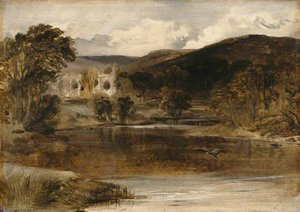 Bolton Abbey, Yorkshire
Admire Sir Edwin Landseer’s ‘Bolton Abbey,’ a stunning 1835 landscape capturing Yorkshire's beauty in oil on canvas. Romantic style, serene river scene & historical elements.
Landseer emerged during the height of the Romantic movement, and his art is deeply imbued with its sensibilities. While he specialized in animal portraiture, to categorize him solely as such would be a disservice. His paintings are often sweeping landscapes populated by animals, where nature itself becomes a character—a brooding presence or a serene backdrop reflecting the emotional state of the scene. Consider ‘Bolton Abbey,’ painted in 1835, a stunning oil on canvas that captures the beauty of Yorkshire with remarkable detail and atmosphere. The tranquil river scene isn’t merely a picturesque view; it evokes a sense of peace and contemplation, heightened by the subtle interplay of light and shadow. Landseer wasn't simply recording what he saw; he was interpreting it through a Romantic lens, imbuing his work with narrative depth and emotional resonance. This ability to tell stories through animal subjects—often imbued with human-like qualities—became a hallmark of his style. His early works, like ‘The Hunting of Chevy Chase’ (1825–26), demonstrate this burgeoning talent for dramatic composition and evocative storytelling.
Animals as Mirrors to Society: Reflecting Victorian Values and Sentimentality
 War
WarExplore Sir Edwin Landseer’s ‘War,’ a poignant 1845 oil painting depicting battlefield distress. Romantic style, animal emotion & historical impact – a must-see masterpiece.
The Victorian era was characterized by a complex interplay of progress, morality, and sentimentality. Landseer's art became inextricably linked with these societal currents. His paintings weren’t just about animals; they were about what those animals *represented* to the Victorians. Dogs, in particular, held a special place in the Victorian heart—symbols of loyalty, companionship, and domestic virtue. ‘War,’ painted in 1845, is a poignant example. The scene depicts battlefield distress through the eyes of canine companions, highlighting themes of loss, courage, and the enduring bond between humans and animals. This painting resonated deeply with a public grappling with the realities of conflict and the idealized notions of heroism. Landseer’s ability to tap into these emotional undercurrents made his work immensely popular. He wasn't merely depicting animals; he was reflecting—and reinforcing—the values and anxieties of Victorian society, often elevating them to allegorical status.
Royal Patronage & Public Commissions: Shaping a National Image
Landseer’s talent didn’t go unnoticed by the highest echelons of British society. He quickly gained the patronage of Queen Victoria and Prince Albert, becoming a favored artist within the royal circle. This relationship proved pivotal to his career, leading to numerous commissions depicting royal pets and portraits of the queen herself alongside her beloved dogs. However, Landseer’s influence extended beyond the walls of Buckingham Palace. His most iconic public commission—the lion sculptures at the base of Nelson's Column in Trafalgar Square—cemented his place as a national artist. These majestic lions, unveiled in 1867, weren’t simply decorative elements; they became powerful symbols of British strength, courage, and imperial power. The sheer scale of the project and its prominent location ensured that Landseer’s art was visible to millions, shaping public perception and solidifying his reputation as a master sculptor and painter.
Beyond the Brushstroke: Sculpture, Technique, and Lasting Legacy
While celebrated primarily for his paintings, Landseer was also a skilled sculptor. The lions of Trafalgar Square are a testament to his mastery of three-dimensional form, demonstrating an understanding of anatomy and movement that rivaled many dedicated sculptors. His technique in painting was equally impressive. He meticulously studied animal musculature—even resorting to dissections early in his career—to ensure anatomical accuracy. This dedication to realism, combined with his Romantic sensibility, resulted in paintings that were both scientifically informed and emotionally compelling. Landseer’s influence on subsequent generations of artists is undeniable. His work paved the way for a greater appreciation of animal portraiture and inspired countless painters to explore the beauty and complexity of the natural world. Even today, his paintings continue to captivate audiences with their technical brilliance, emotional depth, and enduring appeal.
Collecting Landseer Today: A Guide for Enthusiasts
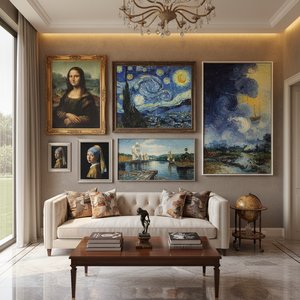 Timeless Masterpieces: A Journey Through Art History's Most Beloved Paintings
Explore the world's most beloved paintings with ! Discover art history’s iconic masterpieces & find expert guidance for collecting, custom reproductions & home decor. Trusted quality since 2004.
For those seeking to acquire a piece of Landseer’s legacy, opportunities range from original oil paintings—a significant investment—to high-quality reproductions. Prints and engravings of his most famous works are readily available, offering an accessible entry point into his oeuvre. When considering an acquisition, pay attention to the subject matter; portraits of dogs, particularly Newfoundlands (often referred to as “Landseer” Newfoundlands due to his popularization of the breed), are highly sought after. Landscapes featuring Scottish Highlands scenes also command considerable value. Authenticity is paramount, especially when purchasing original paintings. Consult with reputable art dealers and appraisers to ensure provenance and condition. OriginalUniqueArt offers a curated selection of museum-quality reproductions, allowing enthusiasts to experience the beauty and emotional power of Landseer’s work without the expense of an original. Whether you are a seasoned collector or simply appreciate fine art, exploring the world of Edwin Landseer is a journey into the heart of Victorian Britain—a testament to the enduring power of art to reflect, shape, and inspire.