Introduction
To gaze upon these ten masterpieces is to step into a world ablaze with emotion, imagination, and a profound reverence for the power of nature. They are not merely paintings; they are portals—windows into the hearts and minds of artists who dared to challenge convention and embrace the sublime during the Romantic era.
Born from the embers of Enlightenment rationalism and the upheaval of the French Revolution, Romanticism flourished in the late 18th and early 19th centuries. It was a reaction against industrialization, scientific reductionism, and societal norms—a passionate cry for individual expression, spiritual awakening, and the untamed beauty of the natural world. Artists turned away from neoclassical order and precision, seeking instead to evoke feeling, mystery, and the awe-inspiring grandeur of landscapes, historical events, and human experience.
This movement wasn’t simply about idyllic scenes or sentimental longing; it was a complex exploration of the human condition—a fascination with the darker aspects of existence, the power of dreams, and the allure of the exotic. It championed heroism, individualism, and the celebration of national identity, often intertwined with a deep sense of melancholy and the transience of life.
These ten works represent the pinnacle of Romantic expression, each a testament to the artists’ unique visions and technical mastery. They continue to resonate today not because of their historical significance alone, but because they tap into universal human emotions—our longing for connection, our fear of mortality, our wonder at the natural world, and our enduring search for meaning in an often chaotic universe.
Prepare to be transported. Over the following pages, we will delve into the stories behind these iconic paintings, exploring their historical context, artistic techniques, and lasting legacy—a journey through a landscape of passion, drama, and breathtaking beauty.
The Third of May, 1808 The Execution of the Defenders of Madrid - Francisco José de Goya y Lucientes
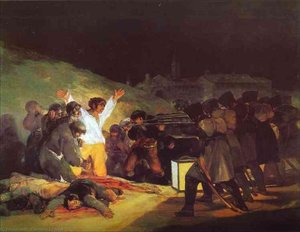 The Third of May, 1808 The Execution of the Defenders of Madrid - Francisco José de Goya y Lucientes
Francisco Goya’s “The Third of May 1808” is not simply a painting; it's a visceral scream against the brutality of war, an enduring monument to human suffering and resistance. Its inclusion among the Top 10 masterpieces of Romanticism isn’t accidental—it fundamentally altered how artists depicted conflict, shifting from glorification to unflinching realism.
Commemorating the executions carried out by Napoleon's troops in Madrid following the Dos de Mayo Uprising, Goya eschewed traditional heroic narratives. Instead, he presents a scene of raw emotion: terrified civilians facing their imminent demise, illuminated by a stark lantern light that casts long, dramatic shadows. The central figure, arms outstretched in a pose echoing Christ’s crucifixion, embodies both defiance and despair.
Goya's revolutionary technique—loose brushwork, intense chiaroscuro , and the rejection of idealized forms—amplified the painting’s emotional impact. This wasn’t about celebrating victory; it was about bearing witness to injustice. The work’s power lies in its universality. It transcends its historical context, speaking to the timeless horrors of oppression and the enduring human spirit.
Owning a reproduction invites contemplation on these themes—a powerful statement piece that sparks dialogue and challenges viewers to confront uncomfortable truths. “The Third of May 1808” isn’t just art; it's a call for empathy, a reminder of our shared humanity, and a testament to the enduring power of artistic expression in the face of darkness. It remains profoundly relevant today, inspiring reflection on conflict, political violence, and the importance of bearing witness.
The Death of Sardanapalus - ferdinand victor eugène delacroix
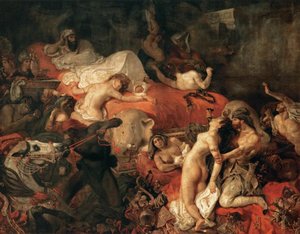 The Death of Sardanapalus - ferdinand victor eugène delacroix
Imagine a palace consumed by flames, a king indifferent to the chaos unfolding around him—this is the world Eugène Delacroix invites us into with “The Death of Sardanapalus.” More than a historical depiction, it’s an immersive spectacle of decadence and impending doom, a cornerstone of Romantic painting that continues to captivate.
Inspired by Lord Byron's dramatic play, Delacroix translates the Assyrian king’s legendary final act—the destruction of his possessions rather than surrender—into a visually overwhelming experience. The monumental scale (395 x 496 cm) engulfs the viewer in a swirling vortex of writhing bodies, opulent fabrics, and fiery hues.
Delacroix's loose brushwork and rich color palette – dominated by crimson reds and shimmering golds – evoke heat, passion, and a sense of unrestrained emotion. The dramatic chiaroscuro sculpts forms, intensifying the scene’s theatricality and drawing the eye to Sardanapalus himself, reclining with fatalistic acceptance amidst the turmoil.
Owning a reproduction isn't simply acquiring an artwork; it’s inviting a conversation starter—a bold statement piece that sparks reflection on themes of power, mortality, and the allure of destruction. “The Death of Sardanapalus” transforms any space into a gallery of emotion, reminding us of the enduring human fascination with the sublime and the complexities of existence.
Saturn Devouring His Son - Francisco José de Goya y Lucientes
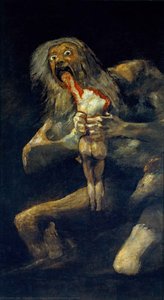 Saturn Devouring His Son - Francisco José de Goya y Lucientes
To confront Francisco Goya’s “Saturn Devouring His Son” is to gaze into the abyss—a harrowing vision of despair that transcends mere depiction and becomes a visceral embodiment of fear, tyranny, and the relentless passage of time. Its inclusion among the Top 10 masterpieces of Romanticism isn't about aesthetic beauty; it’s about acknowledging the darkness within the human condition.
Created in isolation as part of his Black Paintings series, this work was a deeply personal expression of Goya’s troubled state of mind. He abandoned Neoclassical conventions for raw emotional intensity, prioritizing subjective experience over idealized form—a pivotal shift that foreshadowed Expressionism and redefined artistic boundaries.
The brutal image of Cronus consuming his child resonates with layers of symbolism: Spain consumed by conflict, the destructive nature of power, and the anxieties surrounding mortality. Goya’s loose brushwork, dramatic chiaroscuro , and limited color palette amplify the painting’s somber mood, creating a claustrophobic atmosphere that overwhelms the senses.
Owning a reproduction isn't about possessing a beautiful object; it’s about inviting a powerful conversation starter—a bold statement piece that challenges perceptions and sparks reflection on the darker aspects of existence. At , we believe great art should live with us, prompting dialogue and enriching our spaces. “Saturn Devouring His Son” is a testament to this philosophy—a haunting reminder of our shared humanity and the enduring power of artistic expression.
The Fighting Temeraire Tugged to Her Last Berth to Be Broken up - Joseph Mallord William Turner
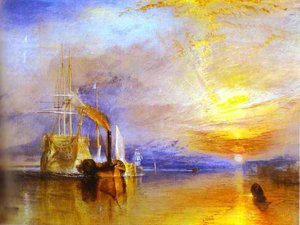 The Fighting Temeraire Tugged to Her Last Berth to Be Broken up - Joseph Mallord William Turner
A golden farewell—Joseph Mallord William Turner’s “The Fighting Temeraire Tugged to Her Last Berth” isn't merely a painting; it’s a poignant elegy for a bygone era, a masterpiece that captures the melancholic beauty of time’s relentless passage. Its inclusion among the Top 10 Romantic works speaks to its profound emotional resonance and innovative use of light and color.
The artwork depicts HMS Temeraire, a celebrated warship, being towed along the Thames to be broken up—a symbolic end to an age dominated by sail and naval heroism. Turner’s loose brushwork and vibrant palette, dominated by fiery oranges and purples, evoke not precise realism but an emotional response to loss.
The contrast between the majestic silhouette of the Temeraire and the small steam tug symbolizes the shift from tradition to modernity, while the setting sun hints at the end of life itself. Turner’s masterful use of atmospheric perspective creates a sense of vastness and depth, drawing the viewer into this poignant scene.
Owning a reproduction isn't simply acquiring an artwork; it’s inviting a moment of quiet contemplation—a stunning focal point that evokes feelings of nostalgia and awe. At , we believe art should enrich our lives, and “The Fighting Temeraire” embodies this philosophy, reminding us of the enduring power of memory and the beauty found even in moments of transition.
The Hay Wain - John Constable
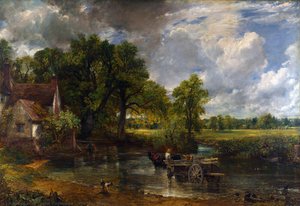 The Hay Wain - John Constable
To gaze upon John Constable’s “The Hay Wain” is to be transported—to breathe the fresh air of Suffolk, to feel the gentle rhythm of rural life, and to witness a harmonious blend of human activity and natural beauty. Its inclusion among the Top 10 masterpieces of Romanticism isn't about grand spectacle; it’s about capturing the authentic soul of England.
Constable rejected idealized views in favor of personal connection, imbuing his landscapes with a deeply felt emotion that resonated with audiences seeking solace from the rapid changes of industrialization. His loose brushwork and masterful handling of light create an immersive experience—the billowing clouds hinting at an approaching storm add a dynamic tension to the otherwise tranquil scene.
More than just a depiction, “The Hay Wain” is an evocation of a way of life—a longing for simplicity and harmony. The painting’s enduring appeal lies in its ability to connect us with nature and remind us of the beauty found in everyday moments.
Owning a reproduction isn't simply acquiring an artwork; it’s inviting a sense of calm and nostalgia into your space—a timeless focal point that evokes feelings of peace and tranquility. At , we believe great art should enrich our lives, and “The Hay Wain” embodies this philosophy, offering a glimpse into a pastoral world that continues to inspire.
La maja desnuda. . Madrid, Museo del Prado. - Francisco José de Goya y Lucientes
 La maja desnuda. . Madrid, Museo del Prado. - Francisco José de Goya y Lucientes
Francisco de Goya’s *La maja desnuda* isn't simply a painting; it’s an invitation—a glimpse into a private moment of tranquility and vulnerability that continues to captivate centuries later. Its inclusion among the Top 10 masterpieces of Romanticism speaks to its groundbreaking boldness and enduring emotional power.
Painted around 1797–1800, this iconic work challenged artistic conventions with its direct gaze and unashamed portrayal of female beauty. Goya’s fluid brushwork, soft lighting, and muted color palette create an intimate atmosphere that draws the viewer in—a masterful blend of technique and emotion.
Beyond its aesthetic appeal, *La maja desnuda* embodies a sense of quiet rebellion against societal norms. The painting's legacy extends beyond art history, influencing fashion, photography, and contemporary notions of sensuality.
Owning a reproduction isn’t simply acquiring an artwork; it’s inviting a touch of elegance and sophistication into your space—a timeless focal point that sparks conversation and evokes feelings of peace and contemplation. At , we believe great art should enrich our lives, and *La maja desnuda* embodies this philosophy, offering a glimpse into the soul of Spanish Romanticism.
Liberty Leading the People - ferdinand victor eugène delacroix
 Liberty Leading the People - ferdinand victor eugène delacroix
Imagine a city ablaze with revolution—the air thick with smoke and the cries of freedom. This is the world Eugène Delacroix captures in “Liberty Leading the People,” an iconic masterpiece that embodies the spirit of 1830s France. Its inclusion among the Top 10 Romantic works isn’t merely about historical significance; it's about its enduring power to ignite passion and inspire change.
Commemorating the July Revolution, Delacroix masterfully blends historical narrative with emotional intensity. The dynamic composition—a whirlwind of action anchored by Liberty herself—draws the viewer into the heart of the struggle. Her bare-breasted form, adorned with a Phrygian cap, represents both an allegorical goddess and a robust woman of the people.
Delacroix’s loose brushwork, dramatic use of light and shadow, and stark contrast of colors—particularly the vibrant red flag—create a visually striking palette that amplifies the scene's urgency. The painting isn’t just a record of events; it’s a call to action, inspiring viewers with its fervent patriotism and unwavering belief in freedom.
Owning a reproduction isn’t simply acquiring an artwork; it’s inviting a powerful symbol of hope and resilience into your space—a timeless focal point that sparks conversation and evokes feelings of courage and determination. At , we believe great art should enrich our lives, and “Liberty Leading the People” embodies this philosophy, offering a glimpse into the soul of revolution.
Man and Woman Contemplating the Moon - Caspar David Friedrich
 Man and Woman Contemplating the Moon - Caspar David Friedrich
A silent communion under a moonlit sky—Caspar David Friedrich’s “Man and Woman Contemplating the Moon” isn't merely a painting; it’s an invitation to introspection, a timeless exploration of human connection within the vastness of nature. Its inclusion among the Top 10 masterpieces of Romanticism speaks to its profound emotional depth and innovative use of symbolism.
The artwork depicts two figures silhouetted against a dark, forested landscape—a scene that evokes feelings of solitude, wonder, and quiet contemplation. Friedrich’s meticulous detail and atmospheric effects create an immersive experience, drawing the viewer into this intimate moment.
His masterful use of light and shadow, combined with a dark, monochromatic palette punctuated by the soft glow of moonlight, creates a moodiness that resonates deeply. The organic lines of the trees and precise rendering of textures—from rough bark to smooth fabric—demonstrate his exceptional skill.
Owning a reproduction isn’t simply acquiring an artwork; it’s inviting a sense of calm and sophistication into your space—a timeless focal point that sparks conversation and evokes feelings of peace and tranquility. At , we believe great art should enrich our lives, and “Man and Woman Contemplating the Moon” embodies this philosophy, offering a glimpse into the soul of German Romanticism.
Show Storm - Seam-Boat off a Harbour's Mouth Making Signals in Shallow Water, and Going by the Lead. The Author was in this Storm on the Night the Ariel Left Harwich - Joseph Mallord William Turner
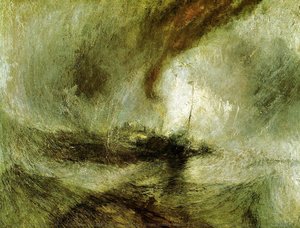 Show Storm - Seam-Boat off a Harbour's Mouth Making Signals in Shallow Water, and Going by the Lead. The Author was in this Storm on the Night the Ariel Left Harwich - Joseph Mallord William Turner
Feel the spray on your face, the wind in your hair—Joseph Mallord William Turner’s “Show Storm - Seam-Boat off a Harbour's Mouth Making Signals in Shallow Water, and Going by the Lead” isn’t merely a painting; it’s an immersive experience of nature’s raw power. Its inclusion among the Top 10 masterpieces of Romanticism speaks to its revolutionary approach to light, color, and emotion.
Painted in 1842, this dramatic seascape captures the chaos and beauty of a tempestuous sea with swirling waves and an ominous sky. Turner’s loose brushstrokes and impasto technique convey the energy and movement of the storm, drawing viewers into the heart of the action—an experience heightened by his own presence aboard the Ariel during the depicted event.
The painting symbolizes humanity's struggle for survival against overwhelming forces, evoking feelings of anxiety, fear, and awe. Turner’s masterful use of light and dark creates a stark contrast that heightens the drama and emotional impact of the scene.
Owning a reproduction isn’t simply acquiring an artwork; it’s inviting a powerful statement piece into your space—a timeless focal point that sparks conversation and evokes feelings of resilience. At , we believe great art should enrich our lives, and “Show Storm” embodies this philosophy, offering a glimpse into the soul of Romanticism.
Chalk Cliffs on Rügen - Caspar David Friedrich
 Chalk Cliffs on Rügen - Caspar David Friedrich
A whisper of wind across chalk cliffs, a gaze into the infinite—Caspar David Friedrich’s “Chalk Cliffs on Rügen” isn't merely a landscape; it’s an invitation to contemplate our place within the sublime. Its inclusion among the Top 10 masterpieces of Romanticism speaks to its profound symbolism and enduring influence on visual culture.
Painted in 1818, this iconic work captures a breathtaking view from the island of Rügen, framed by majestic trees that draw the viewer into a scene of serene beauty. The three figures—believed to be Friedrich himself with his wife and friend—are not simply observing nature; they are engaging in a dialogue about life, death, and faith.
The painting’s rich symbolism—the colors of their clothing representing Christian virtues, the abyss symbolizing mortality—adds layers of meaning that resonate deeply. Friedrich’s masterful use of light and shadow creates a moodiness that invites introspection, while his meticulous detail brings texture and life to the cliffs, water, and sky.
Owning a reproduction isn’t simply acquiring an artwork; it’s inviting a sense of tranquility and contemplation into your space—a timeless focal point that sparks conversation and evokes feelings of peace. At , we believe great art should enrich our lives, and “Chalk Cliffs on Rügen” embodies this philosophy, offering a glimpse into the soul of German Romanticism.
Conclusion
As the light fades, mirroring the soft glow within these canvases, we leave behind not merely images of a bygone era, but living echoes of human emotion and aspiration. The Romantic masters—Friedrich, Turner, Delacroix, and their peers—didn’t simply paint what they *saw*; they painted what they *felt*, translating the sublime power of nature, the depths of individual experience, and the yearning for something beyond the tangible onto linen and wood.
These ten masterpieces are not isolated treasures locked away in museums. They are forces that continue to ripple through time, shaping our interiors, inspiring our creativity, and reminding us of the profound beauty—and inherent fragility—of existence. To gaze upon a Turner storm is to feel the raw energy of the ocean; to contemplate Friedrich’s cliffs is to confront the vastness of mortality; to witness Delacroix's liberty is to embrace the spirit of revolution.
And now, as you step back into your own world, carry with you that sense of wonder—that invitation to seek beauty in the everyday, to find meaning in the shadows, and to connect with the timeless human stories woven within these extraordinary works. Explore our full collection and discover even more masterpieces from this transformative movement – perhaps one will whisper *your* name.