Introduction
What stirs within us when we gaze upon a masterpiece? Often, it’s not merely technical skill or historical significance that captivates, but an echo of shared human experience – the longing for connection, the ache of loss, the intoxicating bloom of love. This collection, our exploration of ten artworks that evoke deep 'romantic' emotions, isn’t about saccharine sweetness or idealized portrayals. Instead, we delve into the complex tapestry of feelings associated with romance in its broadest sense: passion, desire, melancholy, devotion, and even the bittersweet pangs of unrequited affection.
The concept of 'romanticism' as an artistic movement blossomed in the late 18th and early 19th centuries, a reaction against the Enlightenment’s emphasis on reason. Artists began to prioritize emotion, individualism, and the sublime power of nature. However, the roots of romantic expression stretch far deeper into history – from the courtly love traditions of medieval Europe to the passionate myths of antiquity. These ten works represent pivotal moments in this ongoing dialogue, reflecting evolving societal norms, philosophical shifts, and the enduring human need for emotional resonance.
Why do these paintings continue to move us centuries later? Perhaps it’s because they tap into universal truths about the human condition. They remind us that love is rarely simple, often fraught with conflict, uncertainty, and vulnerability. They offer a space for contemplation – a chance to reflect on our own experiences of intimacy, loss, and longing. The brushstrokes themselves seem imbued with emotion, carrying the weight of the artist’s vision and inviting us to connect with their inner world.
Prepare to embark on a journey through time and feeling as we unveil these ten extraordinary artworks. Each piece tells a story, whispers a secret, and offers a glimpse into the heart of what it means to be human – to love, to yearn, and to feel deeply. We invite you not just to *look* at these paintings, but to truly experience them, allowing their emotions to wash over you and spark your own reflections.
The kiss - Gustav Klimt
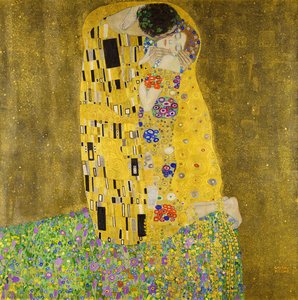 The kiss - Gustav Klimt
Close your eyes for a moment. Imagine being utterly lost in another’s embrace, shielded from the world, enveloped in warmth and gold. This is the sensation Gustav Klimt captures so exquisitely in The Kiss (1907-1908), an artwork that transcends mere representation to become a symbol of passionate connection.
Painted during his celebrated “Golden Phase,” The Kiss isn’t simply about romantic love; it's a yearning for spiritual unity, a merging of two souls. The figures, adorned in richly patterned robes – geometric shapes for the man representing strength, flowing florals for the woman embodying fertility – kneel within a shimmering field of gold leaf. This opulent surface, inspired by Byzantine mosaics, elevates the scene to an almost sacred realm.
Klimt’s masterful use of texture and color creates a dreamlike quality, inviting us into their intimate world. The flattened perspective dissolves reality, focusing solely on the emotional intensity of the embrace. It's a moment suspended in time, radiating tenderness and devotion. The Kiss earns its place among the Top 10 artworks for its ability to evoke such profound feelings – a reminder that love, at its core, is about connection, protection, and finding solace within another.
Bringing this iconic image into your space isn’t just acquiring a beautiful reproduction; it's inviting a sense of serenity and emotional resonance into your daily life. A touchstone for contemplation, The Kiss whispers of the enduring power of love and the beauty found in shared intimacy.
The Venus of Urbino - Titian
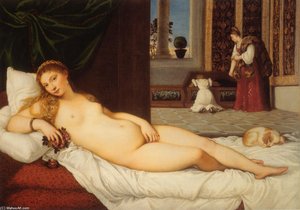 The Venus of Urbino - Titian
Imagine a gaze that meets yours across centuries – confident, knowing, and utterly captivating. This is the power of Titian’s Venus of Urbino (1538), an artwork that redefined beauty standards and continues to resonate with profound sensuality. More than just a depiction of a reclining nude, it's a celebration of womanhood, desire, and the complexities of the female gaze.
Titian’s masterful use of color and light creates a luminous surface, drawing you into an intimate world. Unlike earlier idealized representations, this Venus feels strikingly real – tangible, self-aware, and directly engaging with the viewer. The rich fabrics, symbolic roses, and sleeping dog all contribute to a narrative brimming with meaning, hinting at themes of love, fidelity, and domesticity.
Venus of Urbino earns its place among the Top 10 for its groundbreaking realism and psychological depth. It’s a painting that doesn't simply *show* beauty; it invites you to contemplate it, to question it, and to connect with it on a deeply personal level.
Bringing this Renaissance icon into your home isn’t merely acquiring a reproduction; it’s welcoming a legacy of artistic brilliance and timeless elegance. A touchstone for contemplation, Venus of Urbino transforms any space into a sanctuary of refined beauty and quiet sensuality – a reminder that art has the power to inspire, provoke, and enrich our lives.
Nafeaffaa Ipolpo (also known as When Will You Marry.) - Eugène Henri Paul Gauguin
 Nafeaffaa Ipolpo (also known as When Will You Marry.) - Eugène Henri Paul Gauguin
Imagine a warm breeze rustling through palm leaves, the scent of tropical flowers hanging heavy in the air…a sense of quiet contemplation and shared intimacy. This is the atmosphere Paul Gauguin evokes so powerfully in Nafea faa ipoipo? (1892), or *When Will You Marry?* Painted during his first journey to Tahiti, this artwork isn’t simply a depiction of two women; it's an exploration of cultural identity, sensuality, and the artist’s own search for authenticity.
Gauguin deliberately rejected European academic traditions, embracing bold colors, flattened perspectives, and visible brushstrokes to create a uniquely expressive style. The vibrant landscape isn’t merely a backdrop; it's an integral part of the narrative, representing the fertile environment that shaped these women’s lives. The question posed by the title adds an air of mystery, inviting us to contemplate societal expectations and personal desires.
Nafea faa ipoipo? earns its place among the Top 10 for its ability to capture a fleeting moment of connection – a sense of shared destiny and quiet beauty. It’s a painting that challenges our perceptions, provokes reflection, and reminds us of the power of human relationships.
Bringing this iconic image into your space isn't just acquiring a reproduction; it’s inviting a touch of Tahitian serenity and artistic rebellion into your daily life. A reminder to embrace authenticity, seek connection, and find beauty in the unexpected – qualities that resonate deeply within us all.
allegory - Primavera - Sandro Botticelli
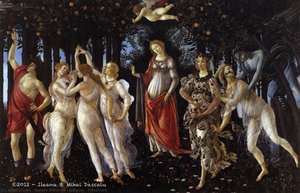 allegory - Primavera - Sandro Botticelli
Close your eyes and imagine stepping into a blossoming orchard, filled with the scent of orange blossoms and the gentle murmur of spring. This is the world Sandro Botticelli invites us into with Primavera , an artwork that transcends mere depiction to become a poetic allegory of love, beauty, and renewal.
Painted during the height of the Italian Renaissance, Primavera isn’t simply *about* spring; it's a celebration of life itself. The graceful figures – goddesses, nymphs, and playful putti – dance within a landscape brimming with symbolic meaning. Venus presides at the center, embodying love, while Flora scatters blossoms, representing fertility and growth.
Primavera earns its place among the Top 10 for its exquisite detail, vibrant color, and profound emotional resonance. It’s a painting that invites contemplation – a reminder of the cyclical nature of life, the power of beauty, and the enduring allure of classical mythology.
Bringing this Renaissance masterpiece into your home isn't just acquiring a reproduction; it’s welcoming a touch of timeless elegance and poetic grace. A touchstone for serenity and inspiration, Primavera transforms any space into a sanctuary – a reminder that beauty, like spring itself, is always reborn.
Venus and Mars - Sandro Botticelli
 Venus and Mars - Sandro Botticelli
A rare glimpse into a world where even the god of war succumbs to love’s gentle power… Sandro Botticelli’s Venus and Mars (c. 1485) is more than just a beautiful painting; it's a profound meditation on desire, disarmament, and the enduring strength of affection.
Botticelli presents an intimate scene – Venus delicately observing the slumbering Mars, attended by playful satyrs. This isn’t a depiction of conflict, but a moment of respite, suggesting that even the most formidable forces can be softened by love's touch. The lush setting enhances this sense of privacy and vulnerability.
Venus and Mars earns its place among the Top 10 for its exquisite detail, graceful lines, and harmonious color palette. It’s a painting that invites contemplation – a reminder that harmony can prevail even amidst discord, and that love has the power to transform.
Bringing this Renaissance masterpiece into your home isn't merely acquiring a reproduction; it’s welcoming a touch of timeless elegance and poetic grace. A touchstone for serenity and inspiration, Venus and Mars transforms any space into a sanctuary – a celebration of beauty, desire, and the enduring power of love.
The Embarkation for Cythera - Jean-Antoine Watteau
 The Embarkation for Cythera - Jean-Antoine Watteau
Imagine a gentle breeze carrying whispers of laughter and music…a sun-drenched afternoon filled with the promise of love and adventure. This is the world Jean-Antoine Watteau invites us into with The Embarkation for Cythera (1717), an artwork that embodies the playful spirit of Rococo France.
This enchanting painting depicts a lively gathering of aristocratic figures embarking on a journey to the mythical island of Cythera, birthplace of Venus. Watteau’s distinctive style – characterized by light brushstrokes, delicate forms, and a harmonious color palette – creates a dreamlike atmosphere that invites contemplation.
The Embarkation for Cythera earns its place among the Top 10 for its exquisite detail and emotional resonance. It’s a painting that captures not just a moment in time, but a feeling – the intoxicating allure of romance, the pursuit of happiness, and the joy of shared companionship.
Bringing this Rococo masterpiece into your home isn't merely acquiring a reproduction; it’s welcoming a touch of elegance and whimsy. A touchstone for serenity and inspiration, The Embarkation for Cythera transforms any space into a sanctuary – a celebration of beauty, love, and the carefree spirit of life.
Ariadne - John William Waterhouse
 Ariadne - John William Waterhouse
Imagine a sun-drenched afternoon, filled with the scent of exotic blooms and the gentle murmur of waves… This is the world John William Waterhouse invites us into with Ariadne (1898), an artwork that embodies the Pre-Raphaelite spirit and captures the essence of mythic beauty.
This captivating painting depicts Ariadne, a figure from Greek mythology, reclining in opulent serenity. Waterhouse’s signature attention to detail – from the flowing curves of her dress to the lush greenery surrounding her – creates a dreamlike atmosphere that invites contemplation. The rich color palette, dominated by vibrant reds and deep blues, enhances the overall sense of warmth and tranquility.
Ariadne earns its place among the Top 10 for its exquisite detail, emotional resonance, and ability to transport us to another world. It’s a painting that captures not just physical beauty, but also a sense of inner peace and quiet contemplation.
Bringing this Pre-Raphaelite masterpiece into your home isn't merely acquiring a reproduction; it’s welcoming a touch of timeless elegance and mythic grace. A touchstone for serenity and inspiration, Ariadne transforms any space into a sanctuary – a celebration of beauty, luxury, and the enduring power of storytelling.
Tale from the Decameron - John William Waterhouse
 Tale from the Decameron - John William Waterhouse
Imagine a warm summer evening, filled with the gentle strumming of a lute and the soft murmur of conversation… This is the atmosphere John William Waterhouse evokes so beautifully in Tale from the Decameron (1916), an artwork that captures the essence of Pre-Raphaelite artistry.
This captivating painting depicts a group of women gathered in an idyllic garden, seemingly lost in a moment of harmony and leisure. Waterhouse’s meticulous technique – from the flowing curves of their dresses to the intricate details of the fountain – creates a dreamlike atmosphere that invites contemplation. The rich color palette, dominated by warm reds and deep greens, enhances the overall sense of warmth and tranquility.
Tale from the Decameron earns its place among the Top 10 for its exquisite detail, emotional resonance, and ability to transport us to another world. It’s a painting that captures not just physical beauty, but also a sense of community, creativity, and shared joy.
Bringing this Pre-Raphaelite masterpiece into your home isn't merely acquiring a reproduction; it’s welcoming a touch of timeless elegance and mythic grace. A touchstone for serenity and inspiration, Tale from the Decameron transforms any space into a sanctuary – a celebration of beauty, friendship, and the enduring power of storytelling.
Bowl with Peonies and Roses - Vincent Willem van Gogh
 Bowl with Peonies and Roses - Vincent Willem van Gogh
Imagine a sunlit room filled with the delicate fragrance of blossoms… This is the world Vincent van Gogh invites us into with Bowl with Peonies and Roses (1886), an artwork that captures the fleeting beauty of nature’s splendor.
This vibrant still life showcases Van Gogh’s mastery of color and texture, featuring a lush arrangement of peonies and roses rendered in soft pastel hues. The thick impasto brushstrokes add depth and movement, making this painting feel alive with energy. Created during his time in Paris, it reflects his evolving style as he embraced the bold colors of Post-Impressionism.
Bowl with Peonies and Roses earns its place among the Top 10 for its emotional resonance and ability to convey a sense of joy and vitality. It’s a painting that reminds us of the ephemeral nature of beauty, inviting us to savor the present moment.
Bringing this Van Gogh masterpiece into your home isn't merely acquiring a reproduction; it’s welcoming a touch of warmth and vibrancy. A touchstone for serenity and inspiration, Bowl with Peonies and Roses transforms any space into a sanctuary – a celebration of beauty, life, and the enduring power of nature.
Dancer with a bouquet of flowers (The Star of the ballet) - Edgar Degas
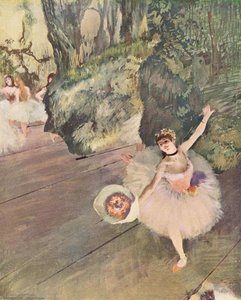 Dancer with a bouquet of flowers (The Star of the ballet) - Edgar Degas
Imagine a hushed theater, the scent of rosin and silk lingering in the air… This is the world Edgar Degas invites us into with Dancer with a bouquet of flowers (The Star of the ballet) (1878), an artwork that isn’t merely a depiction of a ballerina, but an encapsulation of a fleeting moment—a breath held between exertion and grace.
Degas doesn't present a polished ideal; instead, he offers a glimpse behind the curtain, revealing the dedication and physical prowess required to achieve such ethereal beauty. The composition is dynamic, alive with implied movement, as if we’ve stumbled upon this scene during a rehearsal. While often categorized within Impressionism, Degas resisted such labels, identifying more closely with realism—a distinction evident in his meticulous observation of the human form.
Dancer with a bouquet of flowers earns its place among the Top 10 for its emotional resonance and ability to convey both strength and vulnerability. It’s a painting that reminds us of the ephemeral nature of beauty, inviting us to savor the dedication and artistry behind every performance.
Bringing this Degas masterpiece into your home isn't merely acquiring a reproduction; it’s welcoming a touch of timeless elegance and quiet determination—a celebration of grace, discipline, and the enduring power of human expression.
Conclusion
As the light fades, casting long shadows across imagined galleries, we find ourselves returning from a journey through ten windows into the human heart. These paintings—from the passionate brushstrokes of Van Gogh to the delicate poise captured by Degas—are not simply relics of history, but living forces that continue to breathe with emotion and meaning.
They remind us that romance isn’t confined to a single era or style; it is woven into the very fabric of our existence – in the fleeting beauty of a flower, the quiet dedication of an artist, the yearning gaze of lovers. Each canvas holds a story, not just of its subject, but of the human spirit itself—our capacity for joy and sorrow, longing and connection.
And perhaps most powerfully, these artworks demonstrate that beauty is never truly lost. It endures through generations, transformed and reinterpreted, yet always capable of stirring something profound within us. To bring a piece of this legacy into your own space—to live with the echoes of these masters—is to invite a timeless conversation, a gentle reminder of all that makes life worth savoring.
Explore our full collection and discover the artwork that speaks most deeply to your soul. May it bring beauty, inspiration, and a touch of romance into your world.