The Essence of Rococo: A Symphony of Light and Ornamentation
To step into the world of Rococo is to enter a realm where gravity seems suspended by the sheer weight of beauty. Emerging in the early 18th century, primarily within the French court, this era marked a departure from the heavy, somber grandeur of the Baroque period. Where the Baroque sought to awe through scale and power, Rococo sought to enchant through intimacy and grace. It is an aesthetic defined by the rocaille—the delicate, shell-like curves and organic flourishes that give the movement its name. The atmosphere is one of luminous lightness, characterized by a palette of soft pastels: rose pinks, sky blues, creamy whites, and shimmering golds.
The ornamentation of this era was not merely decorative; it was an essential language of emotion. Every gilded edge and swirling acanthus leaf served to evoke a sense of movement and whimsy. This period celebrated the ephemeral nature of pleasure, capturing the way light dances across silk fabrics and reflects off polished porcelain. It was a time when art moved from the monumental halls of kings into the more private, exquisitely decorated salons of the aristocracy, fostering an environment where conversation, wit, and romance could flourish amidst a backdrop of unparalleled splendor.
Masters of Pleasure: Exploring the Works of Watteau, Lancret, and Fragonard
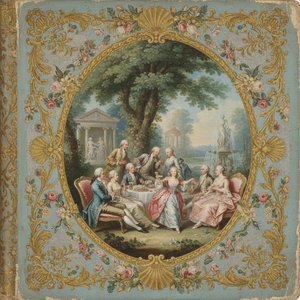
The soul of Rococo finds its most profound expression in the hands of its master painters, artists who possessed the rare ability to translate aristocratic sentiment into pigment. Jean-Antoine Watteau stands as the foundational figure of this movement, a painter whose brushwork breathed life into the fête galante genre. His works, such as the mesmerizing Fêtes Venitiennes, do not merely depict scenes; they evoke moods. Through subtle transitions of color and a delicate handling of light, Watteau captured the bittersweet realization that even the most beautiful moments are fleeting.
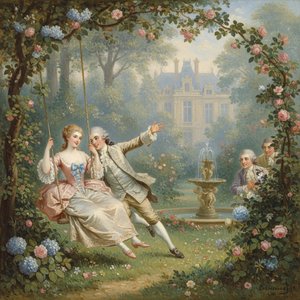
Following in this lineage of elegance, Nicolas Lancret brought a sense of lavishness to the era, particularly in works like Dance in a Pavilion. His canvases serve as windows into the opulent interiors of the 18th century, showcasing figures draped in exquisite finery amidst settings of breathtaking luxury. However, perhaps no artist captured the height of Rococo sensuality quite like Jean-Honoré Fragonard. In his iconic masterpiece, The Swing, we witness the pinnacle of the era’s spirit—a playful, almost scandalous celebration of hidden desires and youthful delight. Through Fragonard's vigorous, textured brushstrokes, the lush greenery and billowing fabrics become participants in a narrative of romantic intrigue.
Themes of Fête Galante: Aristocratic Leisure and Romantic Escapism
At the heart of Rococo iconography lies the concept of the fête galante—the "courtly festival." These paintings functioned as a form of sophisticated escapism for the upper echelons of society. The subject matter rarely grappled with the harsh realities of the world; instead, it focused on the idealized pursuit of pleasure. Landscapes were transformed into dreamlike arcadias, where manicured gardens and classical ruins provided a stage for lovers to wander, musicians to play, and courtiers to engage in playful flirtation.
This theme of leisure was deeply intertwined with the era's fascination with romance and the theater. The boundaries between reality and performance often blurred, as seen in the way figures in these paintings seem to be part of a choreographed ballet of social grace. There is an inherent symbolism in these scenes: the blooming flowers represent fertility and youth, while the soft, hazy atmosphere suggests the dreamlike state of being lost in love. It was an art of the senses, designed to celebrate the joys of existence through a lens of refined, effortless elegance.
The Decorative Arts: From Gilded Goldsmithery to Ornate Interiors
Rococo was never confined to the canvas; it was a total aesthetic experience that permeated every facet of domestic life. The era's obsession with intricate detail extended to the finest objects of utility and adornment. The mastery of craftsmen like Adrien-Jean-Maximilien Vachette brought a breathtaking level of sophistication to decorative objects, where even a simple box could become a marvel of gold and natural materials. Similarly, the silversmithing of artists such as Thomas Heming demonstrated how functional items, like tea caddies, could be transformed into sculptural delights through Rococo ornamentation.
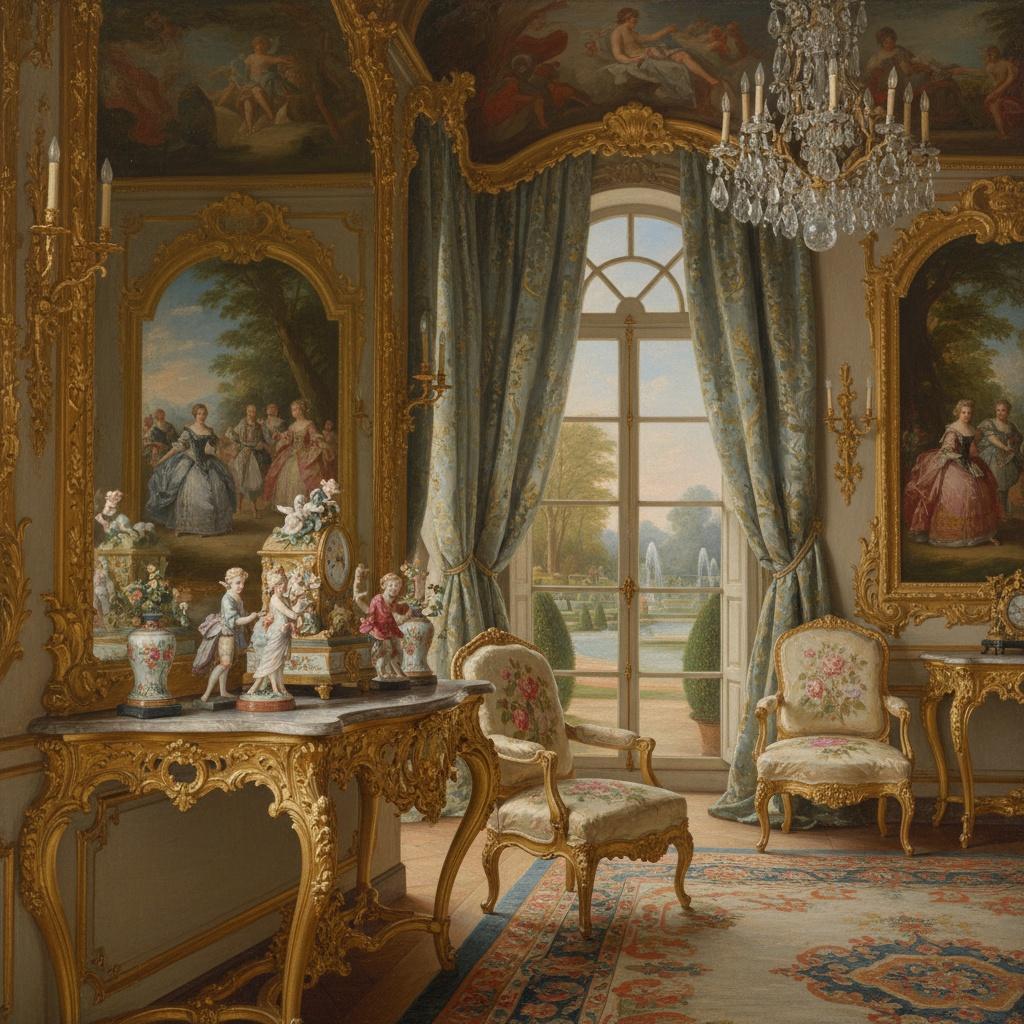
This spirit of embellishment reached its zenith in the design of interiors. The walls of Rococo salons were often treated as continuous canvases, where boiserie—intricately carved wood paneling—merged seamlessly with ceiling frescoes. Every surface was an opportunity for texture and light. The use of mirrors was particularly strategic, designed to expand the sense of space and multiply the flickering candlelight, creating a shimmering, multidimensional environment that felt both expansive and intimately enclosed within a cocoon of gold and silk.
Rococo’s Lasting Legacy: Influence on Modern Aesthetics and Elegance
While the French Revolution eventually ushered in the more austere and structured Neoclassical style, the legacy of Rococo remains an indelible part of our visual vocabulary. The era's emphasis on organic form, the delicate use of pastel palettes, and the celebration of craftsmanship continue to inspire designers, architects, and artists today. We see its echoes in the romanticism of modern interior design and the enduring allure of ornamental beauty that refuses to be overshadowed by minimalism.
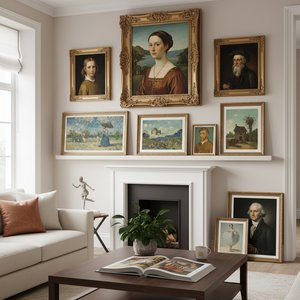
Rococo taught us that art can be a sanctuary of joy—a place where the pursuit of beauty is a noble endeavor. It remains a testament to the human desire for grace, romance, and the celebration of life's most exquisite moments. For the modern collector, embracing the spirit of Rococo means inviting a sense of timeless splendor into the contemporary space, ensuring that the golden era of elegance continues to shine through the centuries.
At OriginalUniqueArt.com, we are dedicated to preserving this magnificent heritage. Our studio specializes in creating museum-quality, hand-painted oil reproductions that capture the very soul of the Rococo masters. From the tactile impasto of a Fragonard-inspired piece to custom commissions that reimagine your own memories through the lens of 18th-century elegance, we bring the splendor of history into your home with unparalleled artistry and passion.