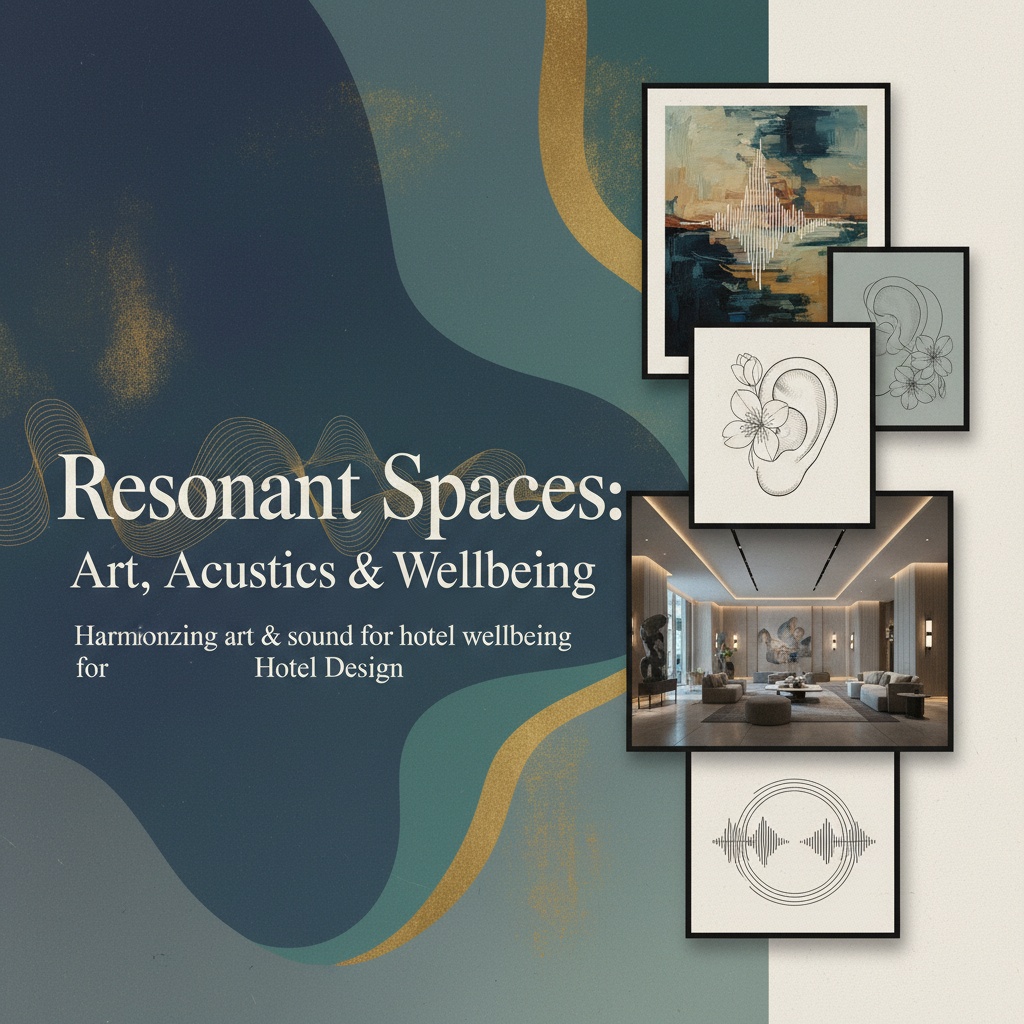
The Historical Symbiosis: Art & Acoustics from Ancient Rituals to Modern Galleries
The study of the history of clothing and textiles traces the development, use, and availability of clothing and textiles over human history. Clothing and textiles reflect the materials and technologies available in different civilizations at differen...
From the echoing chambers of ancient temples designed to amplify sacred chants to the carefully proportioned concert halls of the Renaissance, the relationship between art and acoustics has been profoundly intertwined throughout human history. Long before the advent of modern sound engineering, architects understood intuitively that space itself could be sculpted to influence perception, emotion, and even spiritual experience. Consider the hypostyle hall of Karnak in Egypt – its massive columns weren’t merely structural supports; they were carefully positioned to create reverberations that enhanced the power of religious ceremonies. Similarly, the Roman amphitheaters, renowned for their clarity of sound, demonstrate a sophisticated understanding of wave propagation and reflection. These early examples weren't simply about making sounds *louder*; they were about shaping the sonic environment to achieve specific psychological effects. The very act of creating art – be it through monumental architecture or intricate frescoes – was often inseparable from the desire to control and manipulate the auditory experience.
The medieval period saw cathedrals rise as testaments to both faith and acoustic ingenuity. Vaulted ceilings, ribbed arches, and stained-glass windows weren’t solely aesthetic choices; they played a crucial role in creating resonant spaces that fostered contemplation and awe. The complex interplay of echoes and reverberations within these structures was believed to draw worshippers closer to the divine. As artistic movements evolved, so too did our understanding of sound's impact. The Renaissance, with its emphasis on humanism and proportion, led to a more scientific approach to acoustics, culminating in the design of theaters and music halls that prioritized clarity and balance. The Teatro Farnese, for example, represents an early attempt to create a controlled acoustic environment specifically tailored for dramatic performances. This historical trajectory reveals a consistent thread: art isn’t simply *seen*; it is *felt*, and sound is integral to that feeling.
Psychoacoustics & Emotional Response: How Sound Shapes Perceptions of Space
In acoustics, absorption refers to the process by which a material, structure, or object takes in sound energy when sound waves are encountered, as opposed to reflecting the energy. Part of the absorbed energy is transformed into heat and part is tr...
Today, we understand this intuitive connection through the lens of psychoacoustics – the study of how humans perceive sound. It’s no longer sufficient to simply *reduce* noise; successful spatial design recognizes that sound profoundly influences our emotional state, cognitive function, and overall wellbeing. The subtle nuances of reverberation time, sound diffusion, and frequency response can dramatically alter a space's perceived size, intimacy, and even its aesthetic appeal. A room with excessive reverberation, for instance, can feel chaotic and overwhelming, while one that is overly damped may seem sterile and lifeless. The ideal acoustic environment strikes a delicate balance, creating a sense of comfort, clarity, and connection.
Consider the impact of different soundscapes on stress levels. Studies have shown that exposure to natural sounds – such as flowing water or birdsong – can lower cortisol levels and promote relaxation. Conversely, harsh, unpredictable noises can trigger anxiety and disrupt concentration. This understanding is particularly relevant in hospitality design, where creating a sanctuary for guests is paramount. The choice of materials, furniture arrangement, and even the placement of artwork can all contribute to shaping the sonic environment. The goal isn’t merely to eliminate unwanted sounds but to curate an auditory experience that enhances the overall sense of wellbeing. Furthermore, the concept of ‘sound masking’ – introducing subtle ambient noise to cover distracting sounds – is increasingly employed in hotels to create a more peaceful and productive atmosphere.
Materiality & Absorption: Selecting Textures for Optimal Acoustic Performance
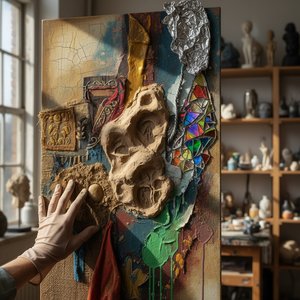 The Tactile Canvas: Exploring Texture as Subject, Materiality & Meaning in Art History
Explore the rich history of texture in art! Discover how artists from Van Gogh to contemporary masters use materiality & technique to create captivating tactile experiences. Deepen your art appreciation with OriginalUniqueArt.
The selection of materials plays a pivotal role in shaping a space's acoustic properties. Soft, porous surfaces like textiles, carpets, and upholstered furniture excel at absorbing sound energy, reducing reverberation and creating a more intimate atmosphere. Conversely, hard, reflective surfaces such as concrete, glass, and metal amplify sound, potentially leading to echoes and noise buildup. Historically, the use of tapestries in medieval castles wasn’t solely decorative; they served as effective acoustic dampeners, softening the harsh sounds within stone walls. Today, architects and designers have a vast array of materials at their disposal, each with unique acoustic characteristics.
Beyond simply choosing absorptive materials, it's crucial to consider their placement and distribution. Strategically positioned acoustic panels can target specific frequencies, minimizing unwanted resonances and optimizing sound clarity. The San Jose Museum of Quilts – Textiles offers a compelling example of how texture itself can be leveraged for acoustic benefit; the dense layering of fabrics not only creates visual interest but also effectively absorbs sound waves. Furthermore, innovative materials like recycled felt and bio-based acoustic panels are gaining popularity as sustainable alternatives to traditional options. The key is to create a balanced approach, combining absorptive and reflective surfaces to achieve optimal acoustic performance without sacrificing aesthetic appeal.
Case Studies in Hospitality: Hotels Leveraging Art and Sound Design
Several hotels have successfully integrated art and sound design to create truly immersive experiences. The Rubin Museum of Art in New York City, for example, incorporates subtle ambient sounds inspired by Himalayan traditions, creating a calming and meditative atmosphere that complements its collection. The use of natural materials like wood and stone further enhances the sense of tranquility. Similarly, boutique hotels are increasingly commissioning sound artists to create bespoke sonic landscapes tailored to their specific brand identity. These installations often incorporate field recordings, generative music, and subtle spatial effects, transforming the hotel lobby into a dynamic auditory environment.
Another compelling example is found in hotels that prioritize biophilic design – incorporating natural elements like plants, water features, and organic forms. The sound of flowing water, for instance, can mask distracting noises and promote relaxation. The careful selection of artwork also plays a crucial role; paintings depicting serene landscapes or abstract compositions with calming color palettes can further enhance the sense of wellbeing. These case studies demonstrate that successful hospitality design isn’t simply about aesthetics; it's about creating a holistic sensory experience that resonates with guests on an emotional level.
Beyond Noise Reduction: Creating Immersive Experiences Through Sonic Branding
The concept of sonic branding – using sound to create a distinct brand identity – is gaining traction in the hospitality industry. This goes beyond simply choosing background music; it involves crafting a unique auditory signature that reflects the hotel's values, personality, and target audience. Consider hotels that incorporate custom-composed melodies or ambient soundscapes inspired by their location. A coastal resort might feature sounds of waves crashing on the shore, while an urban hotel might utilize subtle electronic textures to convey a sense of sophistication and modernity.
The goal is to create a cohesive sensory experience that reinforces the brand message at every touchpoint. This can extend beyond the lobby and into guest rooms, where carefully curated soundscapes can enhance relaxation or promote productivity. Furthermore, hotels are increasingly utilizing spatial audio technology – creating immersive sound environments that respond to guests' movements and interactions. This allows for a more personalized and engaging experience, transforming the hotel room into a dynamic auditory space.
The Future of Resonant Spaces: Integrating Technology with Artistic Vision
Leamy Acoustic Art Inc. is Canada's only full-time bell foundry and specializes in smaller bells designed for fine art collections and personal use. The foundry produces only one-off, untuned bells using the lost-wax process. Leamy Acoustic Art is ba...
Looking ahead, the future of resonant spaces lies in seamlessly integrating technology with artistic vision. Advanced acoustic modeling software allows designers to predict sound behavior with unprecedented accuracy, optimizing material selection and spatial arrangement. Generative audio systems can create dynamic soundscapes that respond to real-time data – such as weather patterns or guest activity – creating a constantly evolving auditory environment. Furthermore, the rise of virtual reality (VR) and augmented reality (AR) offers exciting possibilities for exploring acoustic design in immersive simulations.
Leamy Acoustic Art exemplifies this innovative spirit by crafting unique, untuned bells designed specifically for fine art collections, demonstrating how artistic expression can be directly integrated with acoustic principles. As our understanding of psychoacoustics continues to evolve, we can expect to see even more sophisticated approaches to spatial design – creating environments that not only sound good but also actively promote wellbeing and enhance the human experience. At OriginalUniqueArt.com, we believe in the power of art to transform spaces, and we are committed to providing our clients with the tools and expertise they need to create truly resonant environments.