
The Rise of Rococo Portraiture: A Shift in Patronage and Style
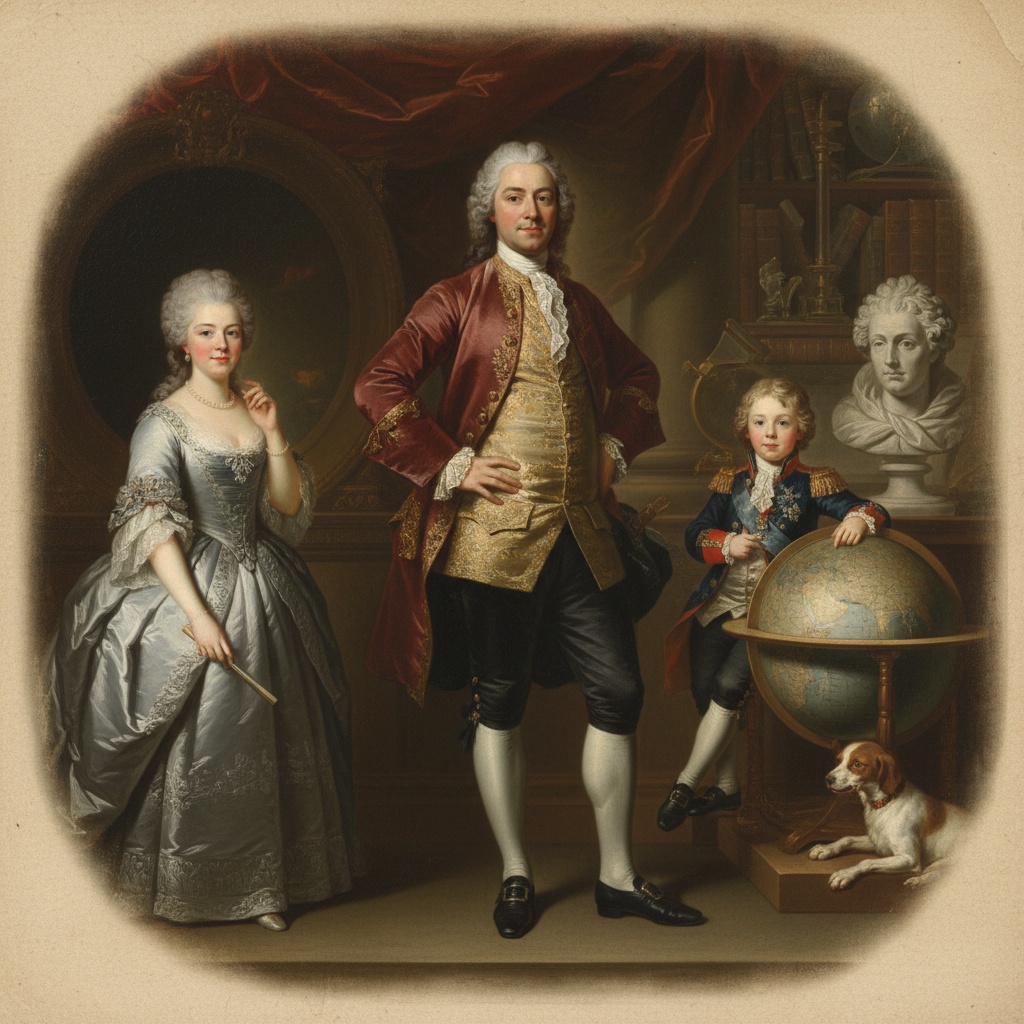
The early 18th century witnessed a dramatic departure from the grandeur and formality of the Baroque era, giving rise to the delicate and intimate world of Rococo portraiture. This shift wasn’t merely aesthetic; it reflected a fundamental change in European society, particularly within France. Following the death of Louis XIV, the court at Versailles loosened its grip on artistic production, and power began to decentralize. The aristocracy, seeking new avenues for self-expression and social distinction, became increasingly important patrons of the arts. This burgeoning demand fueled a style characterized by lightness, elegance, and a focus on pleasure – a direct response to the solemnity of their predecessors. Artists like Antoine Watteau pioneered *fêtes galantes*, scenes of aristocratic leisure that subtly permeated portraiture, imbuing subjects with an air of playful sophistication. The emphasis moved from projecting absolute power to capturing fleeting moments of grace and charm.
Early Rococo portraits often featured sitters in idyllic landscapes, mirroring the Arcadian fantasies favored by Francesco Zuccarelli – a master of creating idealized pastoral settings. These weren’t simply backdrops; they were carefully constructed statements about the sitter's refined taste and connection to nature (or rather, their appreciation *of* nature). The technical skill required to render these delicate scenes—the soft brushwork, the luminous color palettes—became hallmarks of the period. The scale also shifted, with smaller, more intimate portraits becoming increasingly popular, designed for private salons rather than grand state rooms.
Beyond Likeness: Symbolism and Status in 18th-Century Portraits
 Mrs. Mary Nesbitt
Sir Joshua Reynolds's 'Mrs. Mary Nesbitt' (1781) is a captivating portrait of a society figure, showcasing elegance and wealth with subtle symbolism at The Wallace Collection.
To view an 18th-century portrait solely as a representation of physical appearance is to miss its profound depth. These paintings were meticulously crafted statements about social standing, wealth, education, and moral character. Every detail—from the fabric of a gown to the inclusion of specific objects—was laden with meaning. A richly embroidered silk dress, for example, signaled not only affluence but also access to international trade networks. Similarly, the presence of books or musical instruments indicated cultivation and intellectual pursuits. Artists became adept at weaving these subtle symbols into their compositions, creating a visual language understood by the discerning elite.
Consider Sir Joshua Reynolds’s portrait of Mrs. Mary Nesbitt. Her elegant pose and refined attire are immediately striking, but it is the carefully chosen accessories—the delicate lace collar, the subtle blush on her cheeks—that truly reveal her status. The composition itself speaks volumes; she isn't presented as a powerful figure, but rather as an embodiment of grace and beauty, qualities highly valued in 18th-century society. The inclusion of a landscape background further reinforces this sense of idyllic refinement.
French Aristocracy & the Cultivation of Image: Madame de Pompadour and Beyond
18th-century French art was dominated by the Baroque, Rococo and neoclassical movements. == History == In France, the death of Louis XIV in September 1715 led to a period of licentious freedom commonly called the Régence. The heir to Louis XIV, hi...
No discussion of 18th-century portraiture would be complete without acknowledging the influence of Madame de Pompadour, Louis XV’s celebrated mistress. She was not only a patron of the arts but also a shrewd arbiter of taste, shaping the aesthetic landscape of France for decades. Portraits of Madame de Pompadour—and those commissioned by her—became models of aristocratic elegance and sophistication. Artists like François Boucher were favored for their ability to capture her beauty and charm, often depicting her in mythological scenes that subtly alluded to her power and influence.
The Embarkation for Cythera by Jean-Baptiste Le Prince exemplifies the Rococo fascination with love, leisure, and idealized beauty. While not a direct portrait of Pompadour herself, it embodies the aesthetic she championed—a world of playful sensuality and refined pleasure. Her influence extended beyond her own image; she actively promoted artists who could capture this vision, solidifying her legacy as a key figure in the development of Rococo art.
British Portraiture: Reynolds, Hogarth, and the Emerging Middle Class
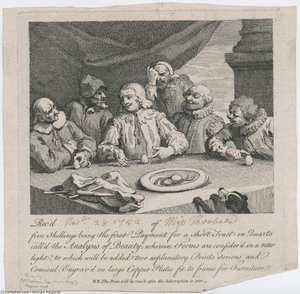 Columbus Breaking the Egg
Discover William Hogarth's 'Columbus Breaking the Egg,' a satirical masterpiece exploring ambition and perception. This iconic engraving exemplifies his sharp wit & social commentary, showcasing a pivotal moment of challenge and discovery.
While France led the way in establishing Rococo aesthetics, British portraiture developed its own distinct character. Sir Joshua Reynolds, president of the Royal Academy, became a dominant force, creating portraits that blended elegance with psychological insight. However, unlike his French counterparts, Reynolds also catered to an emerging middle class eager to establish their social standing through art. This led to a greater diversity in subject matter and style.
William Hogarth, though known primarily for his satirical engravings like Columbus Breaking the Egg, also contributed significantly to British portraiture. His work, while often critical of societal foibles, offered a more realistic depiction of life than the idealized scenes favored in France. Hogarth’s portraits were less about celebrating wealth and status and more about capturing character and social commentary—a reflection of the changing values within British society.
The Neoclassical Reaction: A Return to Virtue and Classical Ideals
By the latter half of the 18th century, a growing dissatisfaction with the perceived frivolity of Rococo began to emerge. The Enlightenment’s emphasis on reason, order, and civic virtue fueled a renewed interest in classical art and architecture—a movement known as Neoclassicism. Artists like Jacques-Louis David rejected the delicate ornamentation and playful sensuality of Rococo in favor of more austere compositions inspired by ancient Greece and Rome.
This shift wasn’t simply an artistic one; it was deeply intertwined with political and social upheaval. The French Revolution, with its emphasis on republican ideals, further solidified Neoclassicism as the dominant style. Portraits became less about celebrating individual extravagance and more about embodying civic duty and moral integrity. The smooth lines, balanced compositions, and classical subject matter of Neoclassical portraits reflected a desire for order and stability in a rapidly changing world.
Collecting 18th-Century Portraits Today: Considerations for Connoisseurs
For the discerning collector, acquiring an 18th-century portrait is more than simply purchasing a beautiful object; it’s investing in a piece of history. Authenticity is paramount, requiring careful examination of provenance, signature, and stylistic details. The condition of the painting—the canvas, the paint layers, the frame—also plays a crucial role in determining its value.
Beyond technical considerations, understanding the sitter’s story and the artist’s intent adds immeasurable depth to the collecting experience. Researching the social context of the portrait—the fashion trends, the political climate, the artistic conventions of the period—will enhance your appreciation for this remarkable art form. At OriginalUniqueArt.com, we offer a curated selection of high-quality reproductions and expert guidance to help you navigate the world of 18th-century portraiture and find the perfect piece to enrich your collection.



