The Sensory Symphony: How Visual Aesthetics Influence Palate Perception
In the rarefied world of fine dining, the experience begins long before the first course is presented to the guest. It commences at the threshold, where the eyes meet the environment and begin a silent dialogue with the soul. There is a profound, often overlooked psychological connection between what we see and how we taste; a phenomenon where visual harmony can actually enhance the perceived complexity of a dish. When a diner is enveloped in an atmosphere of curated beauty, their sensory receptivity increases, allowing the subtle notes of a vintage Bordeaux or the delicate aromatics of a truffle-infused risotto to resonate more deeply.
Consider the impact of color theory and texture on the appetite. A space adorned with the vibrant, energetic brushstrokes of Post-Impressionism—reminiscent of Van Gogh’s Interior of a Restaurant—can stimulate a sense of vitality and movement, mirroring the bustling energy of a high-end bistro. Conversely, a more muted, monochromatic palette, perhaps utilizing the grayscale elegance of an early sketch, invites a contemplative, slow-paced dining experience suitable for tasting menus that demand focus. The art on the walls acts as a visual seasoning, preparing the palate by establishing a mood of luxury, comfort, or avant-garde excitement.
Ultimately, the goal of the restaurateur is to create a cohesive sensory symphony. When the visual rhythm of the artwork aligns with the rhythmic service and the culinary composition, the result is an immersive state of flow. This alignment transforms a mere meal into a memorable event, ensuring that the aesthetic pleasure of the room lingers in the guest's memory long after the check has been settled.
Curating the Atmosphere: Aligning Art Styles with Culinary Identity
Every great restaurant possesses a distinct culinary identity—a signature voice expressed through ingredients and technique. To achieve true architectural cohesion, the art selection must serve as an extension of this brand narrative rather than a mere decoration. A steakhouse rooted in tradition and heavy textures might find its soulmate in the dramatic chiaroscuro of a Baroque-style reproduction, where deep shadows and rich, earthy tones echo the robust flavors of aged beef and charred oak.
In contrast, a modern, light-filled seafood atelier may find success with the ethereal, light-drenched aesthetics of Monet. The Impressionist focus on fleeting moments and luminous water reflections can mirror the freshness and delicacy of the menu. For those seeking to push boundaries, the ability to "remix" history offers unparalleled creative freedom. One might commission a contemporary photograph to be reimagined in the thick, tactile impasto style of Van Gogh, bridging the gap between modern culinary innovation and classical artistic reverence.
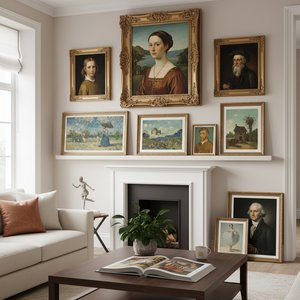
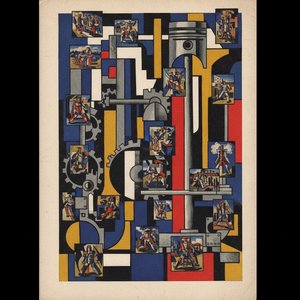
This curation requires a discerning eye for stylistic synergy. It is not merely about hanging beautiful images, but about selecting pieces that speak the same language as your kitchen. Whether it is the structured elegance of a Renaissance-inspired portrait or the playful abstraction of a Cubist reconstruction, the art must reinforce the restaurant's promise to its patrons. When the decor and the menu share a singular vision, the brand identity becomes unbreakable.
The Economics of Elegance: Driving Brand Loyalty and Revenue through Fine Art
For the astute restaurant owner, art is not an expense; it is a strategic investment in brand equity. In an era where dining is increasingly "Instagrammable," the visual environment serves as a powerful marketing engine. A striking, large-scale oil painting or a unique multi-panel installation provides a backdrop that encourages guests to capture and share their experiences online. This organic, user-generated content acts as a global endorsement, reaching thousands of potential diners through the lens of your most loyal patrons.
Beyond social media visibility, fine art fosters an atmosphere of exclusivity and prestige. The presence of museum-quality reproductions—characterized by visible brushstrokes and deep tonal ranges that mass-produced prints simply cannot replicate—signals to the guest that no detail has been overlooked. This perception of high value justifies premium pricing and encourages repeat visits. Guests do not merely return for the food; they return for the feeling of being part of an elevated cultural moment.
Furthermore, a well-curated space can increase "dwell time" and secondary spend. An inviting, aesthetically stimulating environment encourages guests to linger over dessert or an additional cocktail, extending the duration of their stay and increasing the average check size. By investing in the visual soul of the establishment, restaurateurs create a destination that transcends the plate, building a legacy of luxury that drives long-term profitability.
Architectural Canvas: Utilizing Large-Format Murals and Multi-Panel Installations
The architecture of a dining room offers a vast, untapped canvas for transformative design. For restaurants with expansive walls or grand staircases, the use of large-format works can redefine the very scale of the space. Large-scale murals and frescoes, painted on massive canvas rolls, allow a restaurateur to recreate historical grandeur—such as the breathtaking ceilings of the Sistine Chapel—within a modern commercial setting. These works act as architectural anchors, providing a sense of permanence and awe.
For more contemporary or modular spaces, the "multi-panel" trend offers a sophisticated way to manage visual weight. Splitting a single, breathtaking image across three, four, or five panels creates a rhythmic, modern aesthetic that guides the eye across a wide wall. This technique is particularly effective in contemporary bistros, as it breaks up the visual plane and adds a layer of architectural complexity without overwhelming the room. The seamless flow of color and brushwork across these panels ensures a cohesive look that feels integrated into the building's structure.
Whether through the sweeping drama of a mural or the rhythmic precision of a multi-panel installation, utilizing the physical boundaries of the restaurant allows for a bespoke design language. These large-scale elements become landmarks within the room, creating "hero" moments that define the restaurant's character and provide a sense of monumental scale that distinguishes it from competitors.
Strategic Implementation: From Color Palette Analysis to Professional Installation
Executing a vision of this magnitude requires meticulous planning and professional expertise. The process begins with a deep analysis of the existing interior design—evaluating the color palette, lighting conditions, and furniture textures. A successful implementation often involves professional art consultation, where experts can digitally "place" proposed artworks onto photographs of your actual walls. This allows for precise color matching and ensures that the composition of the art complements the architectural flow before a single nail is driven into the wall.
The choice between different mediums also plays a critical role in the final atmosphere. While high-quality Giclée prints offer durability and precision, a handmade oil reproduction provides a tactile depth—an impasto texture that catches the light and adds a layer of physical presence to the room. For those seeking even greater customization, the ability to transform personal milestones or brand imagery into classical masterpieces through AI-assisted reconstruction offers a way to weave the restaurant's unique history directly into its walls.
Finally, the longevity of the investment depends on professional care and installation. Utilizing acid-free matting, protective varnishes like Damar, and robust framing techniques ensures that the artwork remains vibrant for decades. When art is treated with the same reverence as the ingredients in a Michelin-starred kitchen, it ceases to be mere decoration and becomes a permanent, breathing part of the restaurant's legacy.
At OriginalUniqueArt.com, we specialize in bringing these visions to life. From bespoke oil reproductions and large-scale murals to custom photo-to-masterpiece transformations, our mission is to make fine art an accessible cornerstone of luxury design. With a global network of academy-trained artists and a commitment to museum-grade quality, we provide the tools for restaurateurs and designers to transform any space into a masterpiece of sensory excellence.