The Psychology of Space: Curating Emotional Resonance through Art
In the realm of high-end hospitality and executive design, a room is never merely a collection of furniture and finishes; it is an orchestrated experience designed to evoke a specific psychological state. The true master of curation understands that art serves as the emotional heartbeat of an interior. When we consider the transition from a bustling lobby to a serene private suite, the artwork acts as the silent conductor of this atmospheric shift. By selecting pieces that possess deep emotional resonance, a designer can manipulate the perceived temperature and mood of a space, guiding guests toward feelings of tranquility, awe, or intellectual stimulation.
The power of art lies in its ability to transform a sterile environment into a storied sanctuary. A carefully chosen landscape can offer a sense of boundless freedom, while a profound portrait might instill a feeling of intimacy and connection. This process of curation requires more than an eye for beauty; it demands an understanding of how visual narratives interact with the human psyche. When art is integrated with intention, it bridges the gap between physical architecture and human emotion, creating spaces that do not just house people, but move them.
Chromatic Harmony: Strategic Color Palettes for Mood and Productivity
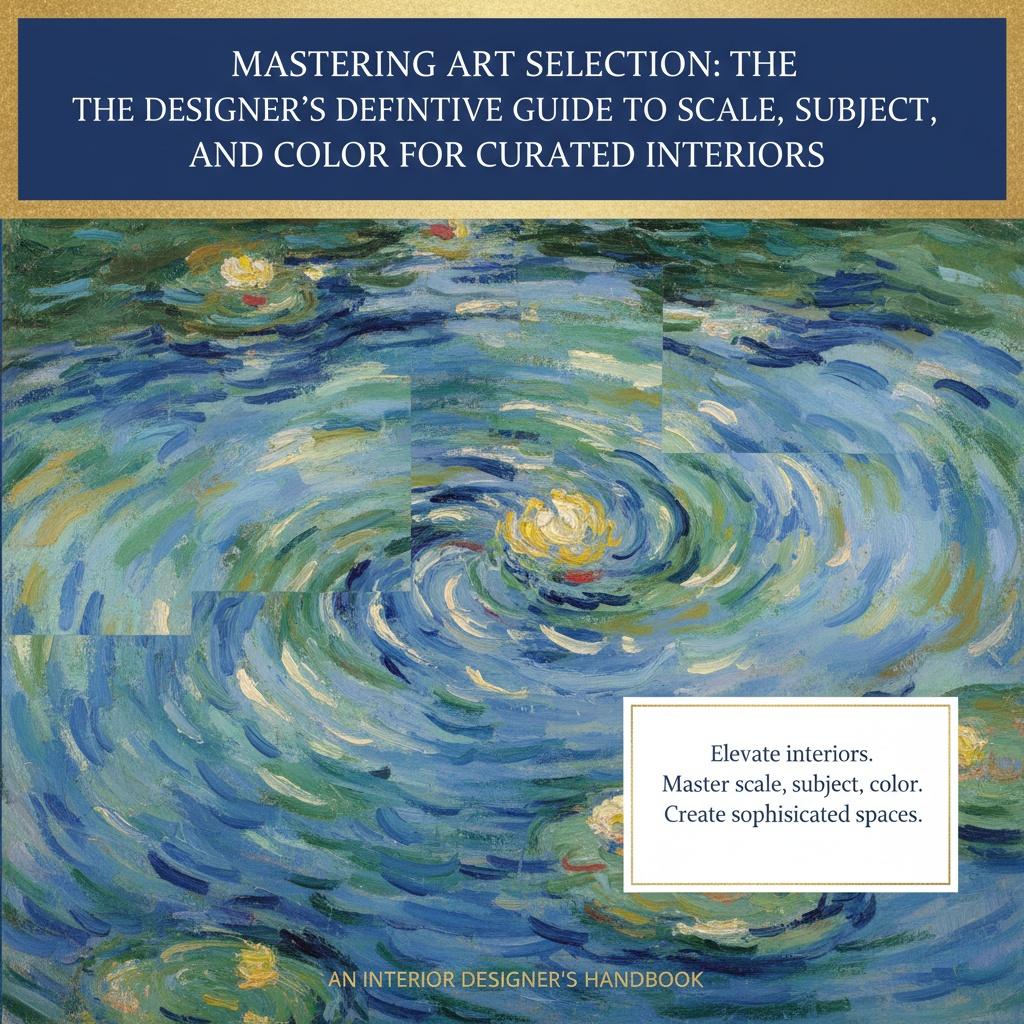
Color is perhaps the most potent tool in a designer’s arsenal, acting as an invisible layer of architecture that dictates the energy of a room. In luxury hotel design, the strategic use of chromatic influence can define the very essence of a brand's identity. Warm, sun-drenched palettes—reminiscent of the light-drenched Impressionist works of Monet—can foster warmth and hospitality in lounge areas, whereas cooler, more muted tones promote focus and cognitive clarity in executive boardrooms. The science of color psychology suggests that these hues do not merely decorate; they actively influence well-being and productivity.
Achieving true chromatic harmony requires a sophisticated balance between the existing architectural palette and the vibrant pigments found within the artwork itself. A designer must consider how light interacts with different mediums, from the deep, velvety shadows of a Baroque masterpiece to the bright, energetic strokes of contemporary art. By aligning the color temperature of the art with the surrounding textures—be it marble, velvet, or polished wood—one creates a cohesive visual language that feels both effortless and profoundly curated. This strategic layering of color ensures that every gaze directed toward a canvas reinforces the intended ambiance of the space.
Scale and Proportion: Mastering Spatial Balance in Luxury Interiors
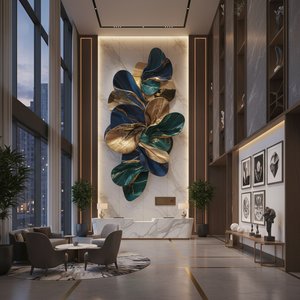
The architectural integrity of a grand hall or an expansive suite relies heavily on the mathematical precision of scale and proportion. Art serves as the essential anchor in these large-scale environments, preventing vast walls from feeling hollow or overwhelming. A common pitfall in luxury design is the use of undersized works that fail to command the necessary presence, leading to a fragmented visual experience. Conversely, when an artwork is scaled with mastery, it can define a focal point that organizes the entire room, drawing the eye and providing a sense of structural stability.
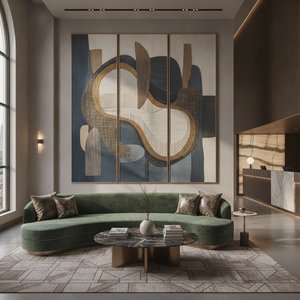
For complex architectural layouts, such as sweeping staircases or long corridors, the use of multi-panel compositions—often referred to as group set paintings—can create a rhythmic movement through the space. These expansive works allow the art to flow seamlessly across multiple planes, mirroring the physical journey of the guest. Whether utilizing massive canvas rolls for ceiling frescoes that recreate historical grandeur or selecting large-format pieces that mirror the height of floor-to-ceiling windows, the goal remains the same: to achieve a seamless integration where the artwork and the architecture exist in a state of perfect, proportional equilibrium.
The Curator's Eye: Integrating Historical Masterpieces with Modern Design
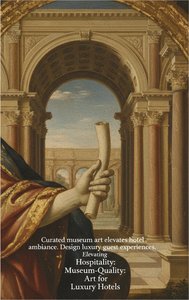
There is a profound sophistication found in the juxtaposition of the old and the new. The most compelling modern interiors often draw their strength from a dialogue with art history. By integrating reproductions of Old Masters—works that carry the weight of centuries of human creativity—into a contemporary setting, a designer creates a sense of timelessness. This "remixing" of history allows for a unique aesthetic tension; imagine a sleek, minimalist executive office anchored by a textured, impasto reproduction of a Van Gogh, or a modern hotel lobby featuring a meticulously crafted tribute to the Flemish mastery of Cornelis de Baulieur.
This integration is not merely about placing a painting on a wall; it is about an intellectual engagement with different eras. A designer can utilize "period shifts" to transform contemporary imagery into something reminiscent of the 17th century, or use digital tools to preview how a classical composition will interact with modern textures. This curation creates a layered narrative that rewards the observant guest, offering glimpses of historical depth within a cutting-edge environment. It is through this careful blending of eras that a space transcends trends and achieves the status of a true collector's gallery.
Bespoke Commissions: Elevating Architectural Identity with Custom Works
In the highest echelons of design, the ultimate luxury is exclusivity. While curated historical pieces provide depth, bespoke commissions provide identity. For the hotel designer or the corporate visionary, the ability to commission a work that is uniquely tied to the property’s location, history, or brand mission is an unparalleled advantage. Custom oil paintings, created with meticulous attention to detail and multiple layers of pigment, offer a tactile dimension that mass-produced decor can never replicate. These works are not just decorations; they are bespoke assets that become inseparable from the building's soul.
The beauty of modern custom commissions lies in the limitless possibilities of personalization. From transforming personal milestones into grand oil portraits to creating large-scale murals and ceiling frescoes that transform a standard room into a Renaissance-inspired sanctuary, the scope is boundless. Through professional digital mockups and direct collaboration with master artists, designers can ensure that every brushstroke, color match, and texture aligns perfectly with their architectural vision. In doing so, they move beyond mere decoration, crafting an enduring legacy of art and architecture that will resonate for generations.
The OriginalUniqueArt Standard: Excellence in Art Procurement
Achieving this level of curated perfection requires a partner who understands the rigorous demands of professional design. OriginalUniqueArt.com stands as a global leader in providing the tools and the artistry necessary to realize these ambitious visions. From 2004, we have dedicated ourselves to making the grandeur of the Old Masters and the brilliance of custom fine art accessible to professionals worldwide. Whether you are seeking museum-quality Giclée prints for high-traffic areas or bespoke, hand-painted oil reproductions that serve as the centerpiece of a luxury suite, our platform provides unparalleled transparency and quality.
For the interior design professional, we offer a specialized Trade Program featuring volume discounts, custom sizing, and white-label shipping to ensure your projects remain seamless. Our process is built on trust, offering everything from digital order management to a 100% satisfaction guarantee. We invite designers, architects, and collectors to explore our vast library of over 465,000 works and engage with our expert consultants to bring their most imaginative spatial concepts to life. At OriginalUniqueArt, we do not just provide art; we provide the medium through which your architectural masterpieces are completed.