Early Life & Artistic Beginnings: From Saint-Domingue to Mill Grove
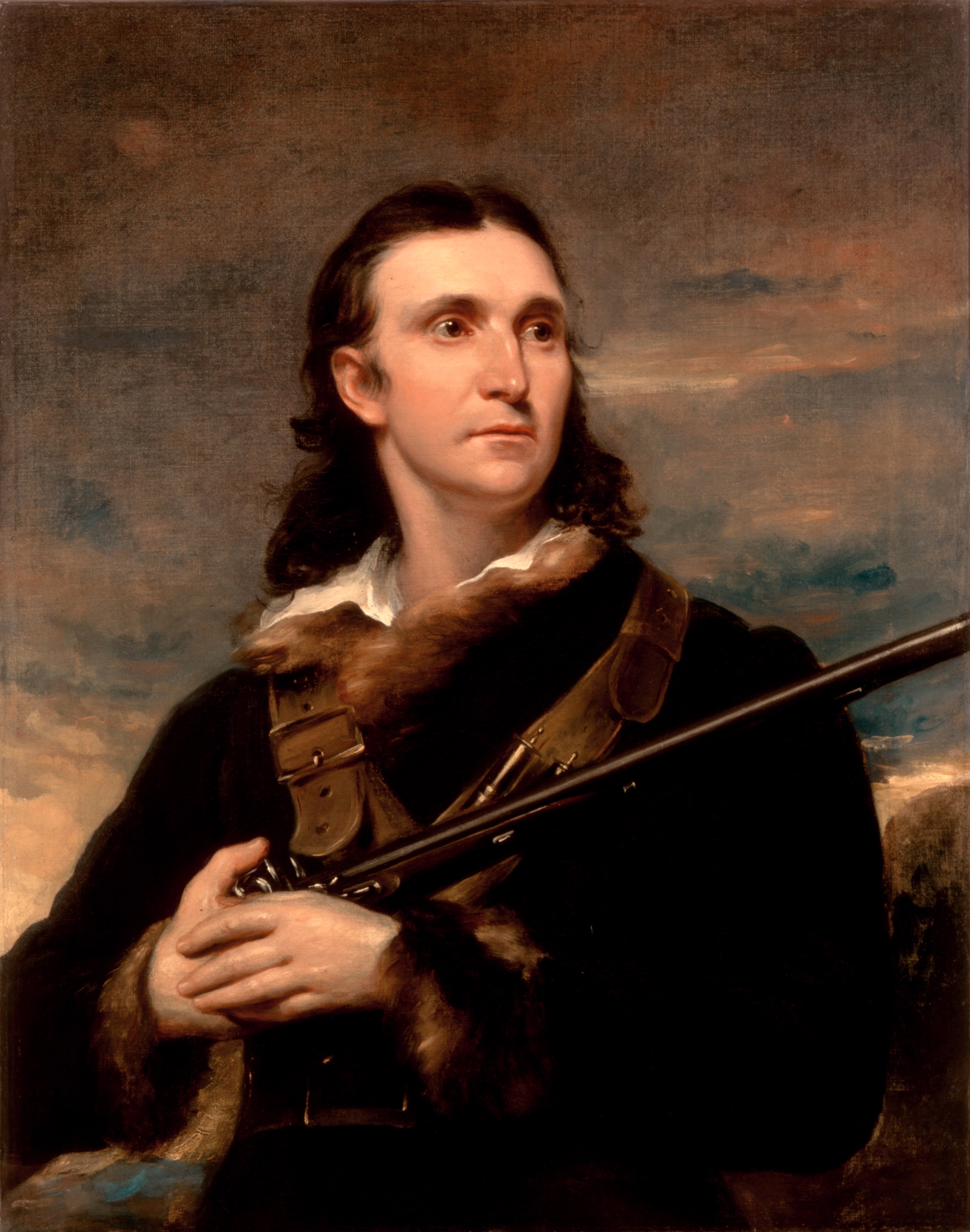 Wikipedia: John James Audubon
John James Audubon (born Jean-Jacques Rabin, April 26, 1785 – January 27, 1851) was a French-American self-trained artist, naturalist, and ornithologist. His combined interests in art and ornithology turned into a plan to make a complete pictorial r...
The story of John James Audubon is one steeped in both romantic adventure and unsettling contradiction, a narrative that begins not amidst the established art circles of Europe, but on the lush, volatile island of Saint-Domingue – modern-day Haiti. Born Jean-Jacques Rabin in 1785, his very origins are shrouded in mystery, with debate continuing over the identity of his mother; some accounts suggest a French chambermaid, others a woman of mixed race. This ambiguity would foreshadow a life marked by self-invention and a complex relationship with the natural world he so meticulously documented. His early years were abruptly transplanted to France following the Haitian Revolution, raised not as a Creole son of the tropics but within the more conventional confines of his father’s French household. Though formally educated, it was in the wilds of Mill Grove, Pennsylvania – inherited from his father – that young Audubon truly found his calling. Here, amidst the burgeoning American landscape, he began to observe and sketch birds with an almost obsessive dedication, a passion fueled by both scientific curiosity and artistic impulse.
The Birds of America: A Monumental Achievement in Ornithological Illustration
 American Flamingo
Admire Audubon's 'American Flamingo'! A detailed ornithological study showcasing the bird’s beauty & anatomy. Hand-painted reproductions available.
Audubon’s ambition was audacious: to paint every bird species native to North America, life-size. This wasn't merely an aesthetic pursuit; it was a monumental undertaking that would consume decades of his life and ultimately produce *The Birds of America*, a collection now universally recognized as one of the finest ornithological works ever created. Published in installments between 1827 and 1839, each plate is breathtaking in its scale and detail – birds rendered not as static specimens but as dynamic creatures caught in moments of life: a soaring eagle, a preening heron, a flock taking flight. The sheer size of the images—often exceeding two feet in height—demanded an intimate engagement with nature, forcing viewers to confront the birds on their own terms. The project was financially risky, requiring Audubon to travel extensively throughout America, often facing hardship and relying on patronage to sustain his work.
Audubon’s Method and Detail: Capturing Nature with Scientific Precision
 Louis Agassiz Fuertes
Louis Agassiz Fuertes (1874-1927) was a pioneering American ornithologist & artist celebrated for his detailed bird paintings. His work rivaled Audubon's, setting the standard for naturalist illustration. Explore his exquisite watercolors!
What sets Audubon apart wasn't simply his artistic skill but the meticulous methodology he employed. He didn’t merely paint from memory or preserved specimens; he observed birds in their natural habitats, painstakingly documenting their behavior, plumage, and anatomy. He often shot birds – a practice now viewed with ethical concern—to pose them for accurate representation, using wires to support limbs and create lifelike arrangements. This commitment to realism extended beyond the birds themselves; Audubon’s backgrounds frequently depict detailed American landscapes, providing context and showcasing the interconnectedness of life. Consider his iconic “Osprey and Weakfish” (1829), where the dramatic capture is rendered with stunning precision, highlighting both the power of nature and the osprey's predatory prowess. His illustrations weren’t simply beautiful; they were valuable scientific records, contributing significantly to our understanding of avian species.
Beyond the Canvas: Audubon’s Complex Legacy and Controversies
However, Audubon’s legacy is far from unblemished. Recent scholarship has revealed a more troubling side to this celebrated figure. He was accused—and demonstrably guilty of academic fraud and plagiarism, borrowing heavily from the work of others without proper attribution. More disturbingly, he was a slave owner who profited from the exploitation of Black people, and his writings reveal deeply ingrained racist beliefs. Furthermore, his pursuit of scientific knowledge involved the theft of human remains – skulls sent to colleagues for spurious racial studies aimed at justifying white supremacy. These revelations have prompted a critical re-evaluation of Audubon’s life and work, forcing us to confront the uncomfortable truth that even great artists can be products of their time—and complicit in its injustices. The Arctic Fox illustration, “Vulpes lagopus, Winter ^ Summer pelage,” while visually striking, exists within this complex context.
Influence & Lasting Impact: Audubon’s Place in Art and Conservation History
Despite these controversies, Audubon's influence on art and conservation remains undeniable. His work inspired generations of ornithologists and artists, setting a new standard for naturalist illustration. Artists like Louis Agassiz Fuertes would later rival his precision and detail, but Audubon’s pioneering spirit is unmistakable. The National Audubon Society, founded in 1884, bears his name as a testament to his enduring impact on wildlife conservation—though the organization itself has actively grappled with its namesake's problematic past. Today, reproductions of “The Birds of America,” like the exquisite depiction of the American Flamingo, continue to captivate audiences worldwide, offering a glimpse into a vanished world and prompting reflection on our relationship with nature. His legacy is not one of simple admiration but rather a complex dialogue—a recognition of his artistic genius alongside a critical examination of his flaws and the troubling context in which he operated. OriginalUniqueArt offers faithful reproductions of Audubon’s masterpieces, allowing you to bring these iconic images into your home and engage with this fascinating – and challenging – chapter of American art history.