


The Power of Visual Storytelling: How Artwork Sets the Restaurant Mood
Culinary arts are the cuisine arts of the preparation, cooking, and presentation of food, usually in the form of meals. People working in this field – especially in establishments such as restaurants – are commonly called chefs or cooks, although, at...
The success of a restaurant hinges on more than exceptional cuisine; it resides within the holistic experience, an intricate tapestry woven from taste, service, and atmosphere. While often overlooked amidst the clamor of the kitchen and the attentiveness of staff, the visual environment—and specifically, the artwork adorning its walls—plays a profoundly influential role in shaping diner perception. It’s not merely about decoration; it's about crafting a narrative, establishing an emotional resonance, and subtly guiding the guest through a curated journey. Consider the great dining establishments throughout history: they weren’t simply places to consume food, but immersive environments designed to evoke specific feelings – from the opulent grandeur of Versailles to the intimate warmth of a Tuscan trattoria. Artwork was, and remains, central to this endeavor.
The selection process should begin not with aesthetic preference, but with a deep understanding of the restaurant’s core identity. What story are you attempting to tell? Is it one of rustic authenticity, modern innovation, or timeless elegance? The artwork must serve as a visual echo of that narrative, reinforcing the brand ethos and attracting a clientele who resonate with its values. A minimalist eatery might benefit from abstract expressionism – bold strokes and evocative forms hinting at creativity and sophistication. Conversely, a classic French bistro would find harmony in landscapes depicting the rolling hills of Provence or still lifes brimming with culinary abundance. The goal is to create a cohesive visual language that extends beyond the plate, enveloping the diner in an atmosphere of carefully considered design.
Illuminating Techniques: Mastering Light to Enhance Art & Ambiance
 Chiaroscuro & Beyond: Exploring Dramatic Light & Shadow in Art History
Explore the captivating history of chiaroscuro – from Renaissance origins to Caravaggio & Rembrandt's mastery. Discover how light and shadow shaped art, and its enduring influence today.
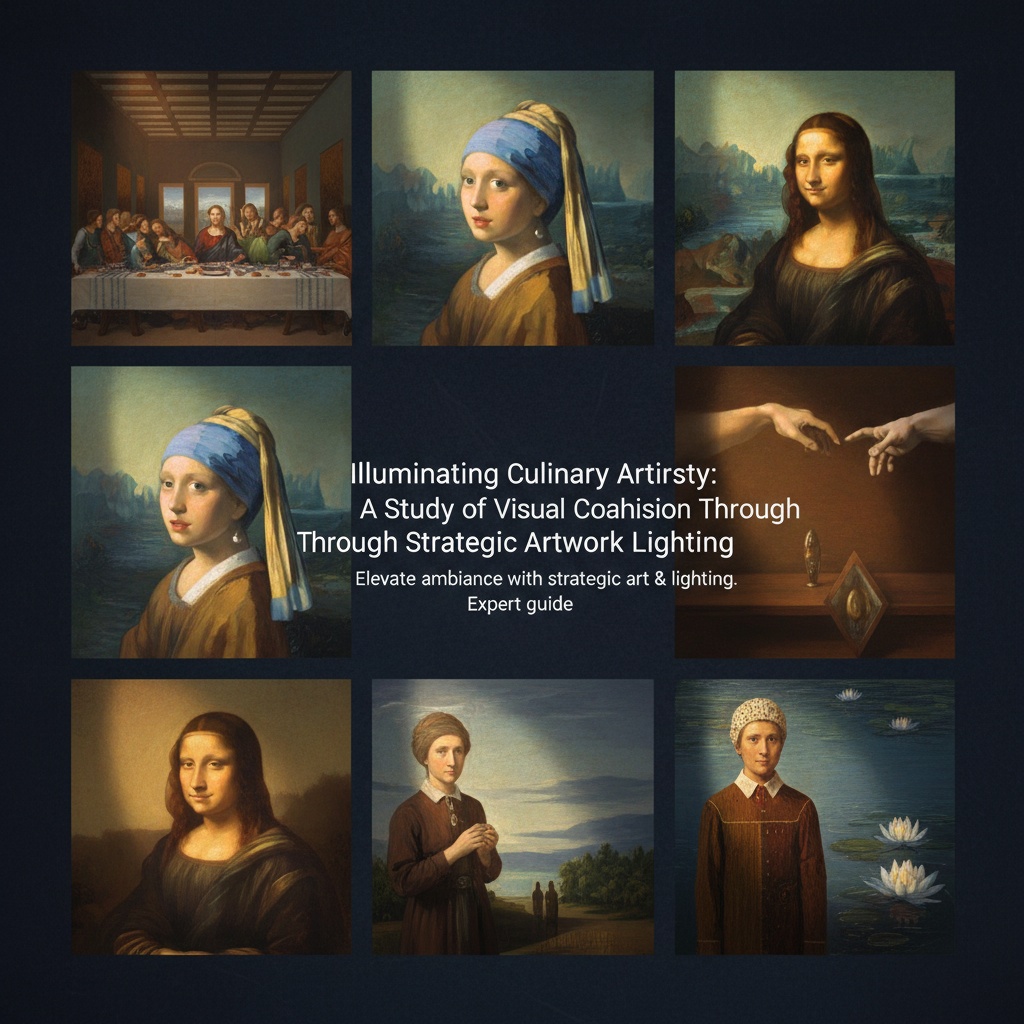
Once artwork has been chosen, its true potential remains dormant until awakened by the transformative power of light. For centuries, artists have understood the profound impact of illumination – a principle beautifully demonstrated in the mastery of chiaroscuro. Originating during the Renaissance and reaching its zenith with masters like Leonardo da Vinci and Caravaggio, this technique employs dramatic contrasts between light and shadow to create volume, depth, and emotional intensity. Think of Rembrandt van Rijn’s ‘Christ Presented to the People,’ where a focused beam of light draws the viewer's eye to the central figure, evoking a sense of reverence and spiritual awakening. Applying this principle within a restaurant setting can achieve similar effects – highlighting focal points, creating intimate areas, or emphasizing architectural features.
However, simply adding light isn’t enough; it requires nuance and understanding. Harsh overhead lighting flattens images, stripping them of their texture and subtlety. Instead, consider directional spotlights to mimic the natural play of light on a canvas, revealing brushstrokes and color variations. Watercolors, delicate in nature, benefit from diffused illumination that preserves their vibrancy without harsh glare. Sculptures demand three-dimensional lighting – uplighting accentuating form, downlighting highlighting intricate details. The choice of bulb is equally crucial; warm tones (2700-3000K) create a cozy ambiance ideal for intimate dinners, while cooler tones (4000-5000K) are better suited for modern spaces and can enhance food presentation.
Artwork Selection Strategies: Aligning Aesthetics with Your Brand Identity
 Christ Presented to the People
Explore this iconic artwork's symbolism and artistic techniques. Learn more about Rembrandt's life and impact on art history.
The most compelling restaurants aren’t simply decorated; they are curated experiences. Artwork selection should be intrinsically linked to the culinary concept, target audience, and overall brand aesthetic. A seafood restaurant, for example, might feature marine-themed paintings or photography – evoking a sense of coastal freshness and oceanic bounty. An Italian trattoria could showcase scenes of Tuscan vineyards or portraits of renowned chefs, transporting diners to the heart of Italy. Avoid generic art that lacks personality or connection to your brand; investing in unique pieces—whether original works or high-quality reproductions—demonstrates a commitment to quality and attention to detail.
Scale is another critical consideration. Oversized artwork makes bold statements in larger spaces, creating focal points and commanding attention. Smaller works are better suited for intimate settings, adding subtle sophistication without overwhelming the environment. Grouping artwork creates visual impact and allows for thematic storytelling – a series of botanical prints in a farm-to-table restaurant, or a collection of abstract pieces reflecting the chef’s innovative spirit. Furthermore, consider the narrative you want to convey. Do you aim for sophistication, warmth, energy, or tranquility? Artwork can subtly communicate these messages, shaping the diner's perception and enhancing their overall experience.
Placement and Scale: Maximizing Impact in Your Dining Space
Strategic placement is as crucial as the artwork itself. Focal points are essential – the entrance, bar area, feature walls—and artwork should be positioned to draw attention to these areas. Consider sightlines from various vantage points, ensuring that each piece is visible and engaging from multiple perspectives. Avoid overcrowding walls; negative space allows each work to breathe and command its own presence. Hang artwork at eye level for optimal viewing comfort, adjusting height based on ceiling height and furniture placement.
In hallways or corridors, create a gallery wall effect by grouping smaller works together, fostering a sense of discovery and visual interest. For larger spaces, oversized pieces can serve as statement anchors, defining the environment and establishing a strong aesthetic presence. Pay attention to the surrounding décor; artwork should complement—not clash with—existing furnishings and color schemes. Use lighting to integrate artwork seamlessly into the overall design, creating a harmonious flow that enhances the dining experience.
LED Lighting Solutions for Restaurants: Efficiency, Control, and Dynamic Effects
The advent of LED technology has revolutionized restaurant lighting, offering unparalleled control, efficiency, and versatility. LEDs are energy-efficient, long-lasting, and available in a wide range of color temperatures and brightness levels, allowing for precise customization. Dimmable LEDs provide even greater control, enabling you to adjust the ambiance based on time of day or occasion – creating a vibrant atmosphere during peak hours and a more intimate setting later in the evening. Smart lighting systems allow for remote control and automated scheduling, optimizing energy consumption and creating dynamic visual effects.
Consider using LED track lighting to highlight artwork and create focal points; these fixtures are adjustable and can be easily repositioned as needed. Recessed LEDs offer subtle illumination without compromising ceiling aesthetics. Color-changing LEDs can add a touch of drama or create thematic displays, aligning with seasonal events or special promotions. Ensure compatibility with existing dimming systems and electrical infrastructure to maximize efficiency and avoid costly upgrades.
Preserving the Investment: Artwork Maintenance and Long-Term Care
Investing in artwork is an investment in your restaurant’s ambiance and brand identity. Maintaining its beauty and longevity requires a proactive care plan. Regular cleaning removes dust and debris that can dull colors and obscure details; use a soft, lint-free cloth to gently wipe the surface of paintings and prints, avoiding harsh chemicals or abrasive cleaners. Protect artwork from direct sunlight, which can cause fading and discoloration – consider using UV-protective glass for framed pieces.
Control humidity levels to prevent warping or cracking, maintaining a consistent temperature and avoiding placement near heat sources or vents. Regularly inspect artwork for signs of damage or deterioration, addressing any issues promptly to prevent further complications. Professional restoration services are available for valuable or irreplaceable pieces. By prioritizing maintenance, you ensure that your restaurant’s artwork remains a captivating focal point for years to come.