The Rise of Vienna Secession: A Rebellion Against Tradition
The Vienna Secession (German: Wiener Secession; also known as the Union of Austrian Artists or Vereinigung Bildender Künstler Österreichs) is an art movement, closely related to Art Nouveau, that was formed in 1897 by a group of Austrian painters, gr...
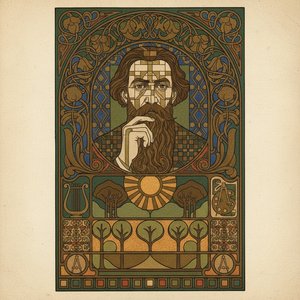
At the close of the 19th century, Vienna pulsed with a creative energy stifled by the rigid conventions of its artistic establishment. The traditional art academies, steeped in historical imitation, offered little space for innovation or personal expression. This discontent simmered amongst a group of talented painters, sculptors, and architects who yearned to break free from the constraints of academic realism and embrace a new aesthetic vision. In 1897, this collective frustration culminated in a bold act of defiance: the founding of the Vienna Secession. More than just an artistic movement, it was a declaration of independence, a rejection of the past, and a fervent pursuit of modern art. At its heart stood Gustav Klimt, whose burgeoning talent and unwavering commitment to originality would become synonymous with the Secession’s ideals.
The Secession wasn't merely about stylistic change; it was a philosophical shift. These artists sought to create a Gesamtkunstwerk – a “total work of art” – where painting, architecture, and design harmonized to form a unified aesthetic experience. They drew inspiration from diverse sources: the flowing lines of Art Nouveau, the symbolic depth of Japanese prints, and the philosophical currents of their time. Josef Maria Olbrich’s Secession Building itself became a powerful symbol of this new artistic ethos – a geometric marvel adorned with gilded laurel leaves, representing the triumph of creativity over convention. The movement's official magazine, Ver Sacrum, served as a platform for its radical ideas and showcased the work of its members, challenging Viennese society to reconsider its aesthetic values.
Klimt's Early Life & Influences: From Academic Roots to Artistic Innovation
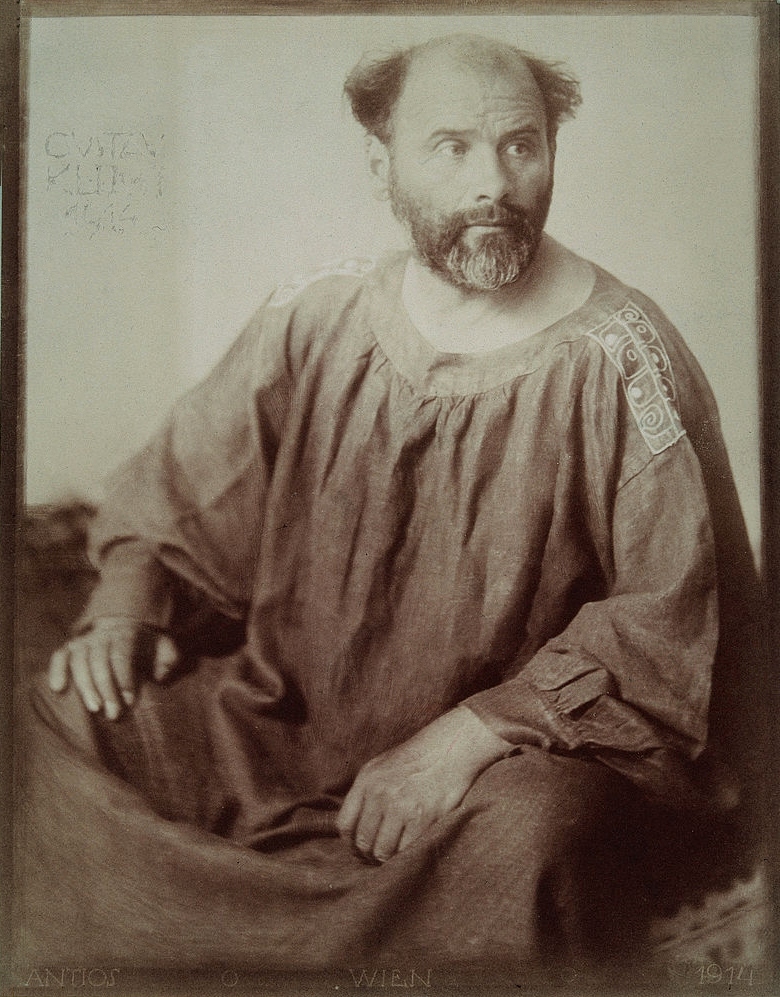 Wikipedia: Gustav Klimt
Gustav Klimt (14 July 1862 – 6 February 1918) was an Austrian symbolist painter and a founding member of the Vienna Secession movement. His work helped define the Art Nouveau style in Europe. Klimt is known for his paintings, murals, sketches, and ot...
Born in 1862 into a family with artistic inclinations – his father was a goldsmith – Gustav Klimt’s early life laid the foundation for his later mastery of decorative elements. Initially, he followed a conventional path, studying at the Vienna School of Applied Arts and honing his skills as a painter of architectural decorations. Commissions abounded, providing him with valuable experience in mural painting and a steady income. However, even within these traditional frameworks, Klimt’s distinctive style began to emerge – a meticulous attention to detail, a rich palette, and an increasing fascination with ornamentation.
A pivotal moment came with his collaboration on the University of Vienna ceiling paintings. While initially celebrated for their technical brilliance, these works soon sparked controversy due to their allegorical subject matter and perceived eroticism. This experience proved transformative. Klimt, disillusioned by the conservative resistance, withdrew from public commissions and embarked on a path of artistic independence. He embraced a more personal style, influenced by Byzantine mosaics encountered during his travels in Italy, and began to explore themes of love, death, and female sensuality with unprecedented candor. His early portraits, like “Bildnis Fritza Riedler” (1906), already hint at the opulent patterns and psychological depth that would define his mature work.
The Golden Phase: Exploring Klimt’s Signature Style and Techniques
Art Nouveau ( AR(T) noo-VOH; French: [aʁ nuvo] ; lit. 'New Art'), Jugendstil in German, is an international style of art, architecture, and applied art, especially the decorative arts. It was often inspired by natural forms such as the sinuous curves...
The turn of the 20th century witnessed the blossoming of Klimt's “Golden Phase,” a period characterized by the lavish use of gold leaf in his paintings. This wasn’t merely an aesthetic choice; it was a deliberate attempt to elevate art beyond the realm of mere representation and imbue it with a spiritual quality. Gold, historically associated with religious icons and Byzantine mosaics, lent a shimmering luminosity to his canvases, transforming them into otherworldly visions.
“The Kiss” (1907-1908), arguably Klimt’s most iconic work, exemplifies this style perfectly. The embracing couple, enveloped in flowing robes adorned with intricate patterns and gold leaf, exists within a dreamlike space, detached from reality. Klimt's technique was meticulous: he layered gold leaf onto the canvas, then applied paint and embellishments to create a textured surface that seemed to radiate light. This painstaking process, combined with his masterful use of symbolism – floral motifs representing fertility and life, geometric patterns evoking both order and chaos – resulted in paintings of breathtaking beauty and emotional resonance. Works like “Amalie Zuckerkandl” further demonstrate this period’s focus on the female form, rendered with a delicate balance of sensuality and psychological insight.
Themes of Love, Sexuality, and Mortality in Klimt’s Oeuvre
Beneath the shimmering gold and opulent patterns lay a profound exploration of universal themes: love, sexuality, life, and death. Klimt wasn't simply depicting beautiful women; he was delving into the complexities of the human psyche, challenging societal norms, and confronting uncomfortable truths about desire and mortality. His paintings often feature female figures as both objects of beauty and powerful symbols of regeneration.
“The Three Ages of Woman”, for example, offers a poignant meditation on the stages of life – infancy, maturity, and old age – while “Judith I” presents a provocative reimagining of the biblical heroine, portraying her not as a pious figure but as a seductive and enigmatic woman. Even his landscapes, though less numerous than his portraits, often carry symbolic weight, reflecting themes of isolation, longing, and the transience of existence. Klimt’s frank depiction of sexuality, particularly in his drawings, was shocking for its time, yet it also revealed a deep empathy for the female experience.
Controversy and Recognition: The Public Reception of Klimt's Art
Klimt’s art wasn’t universally embraced. His work frequently provoked controversy, particularly among conservative elements of Viennese society who deemed his paintings immoral or obscene. The uproar surrounding the University of Vienna ceiling paintings led to their rejection, forcing Klimt to withdraw from public commissions and seek patronage elsewhere. This resistance, however, only fueled his determination to pursue his artistic vision.
Despite the criticism, Klimt gradually gained recognition for his unique style and uncompromising integrity. His exhibitions with the Secession attracted a growing audience, and he became increasingly sought after by private collectors. He achieved international acclaim, exhibiting in major European cities and influencing a generation of artists. While his work continued to challenge conventional norms, it also captivated viewers with its beauty, sensuality, and psychological depth. The establishment eventually came around, acknowledging Klimt’s genius and celebrating him as one of Austria's greatest artistic treasures.
Klimt’s Enduring Legacy & Influence on Modern Art Movements
Gustav Klimt died in 1918, leaving behind a body of work that continues to resonate with audiences today. His influence can be seen in the Expressionist movement, particularly in the works of Egon Schiele and Oskar Kokoschka, who adopted his bold use of color and psychological intensity. His exploration of symbolism and the female form also paved the way for Surrealism.
Klimt’s legacy extends beyond painting to encompass fashion, design, and popular culture. His distinctive style has been widely imitated and adapted, cementing his status as a cultural icon. Today, OriginalUniqueArt.com offers high-quality reproductions of Klimt's masterpieces, allowing art enthusiasts to experience the beauty and sensuality of his work firsthand. From “The Kiss” to his stunning portraits, these handmade oil paintings capture the essence of Klimt’s artistic vision – a golden legacy that continues to inspire and enchant generations.