The Allure of Impressionism: A Historical Foundation
The late 19th century witnessed a seismic shift in the art world, a rebellion against academic tradition that blossomed into the vibrant movement we now know as Impressionism. More than just a style, it was a new way of *seeing*, a radical embrace of fleeting moments and subjective experience. Artists like Claude Monet, Pierre-Auguste Renoir, Edgar Degas, and Camille Pissarro dared to abandon meticulous detail in favor of capturing the ephemeral qualities of light and atmosphere. This wasn’t merely about depicting what they saw, but how they *felt* when seeing it – a profound departure from centuries of artistic convention. The very name “Impressionism,” initially derisive, coined by critic Louis Leroy after viewing Monet's 1872 painting Impression, soleil levant, became the defining label for this revolutionary approach. Before Impressionism, art largely served as a vehicle for historical narratives or idealized representations; these artists turned their gaze towards everyday life – bustling city streets, tranquil gardens, intimate portraits – subjects previously considered unworthy of serious artistic attention.
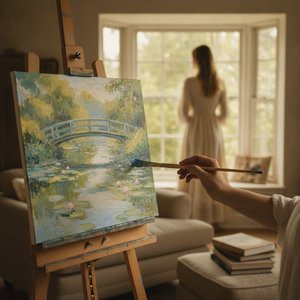
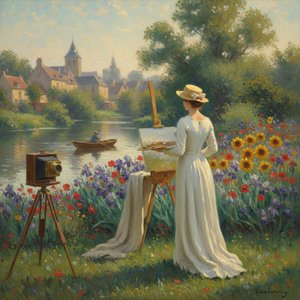
The societal context is crucial to understanding the movement’s emergence. The rapid industrialization and urbanization of France created a world in constant flux, a sense of modernity that demanded new forms of expression. Artists began painting en plein air, directly from nature, striving to capture the immediacy of light and color before it shifted and changed. This pursuit led to broken brushstrokes, vibrant palettes, and an emphasis on optical mixing – allowing the viewer’s eye to blend colors rather than relying on pre-mixed hues on the canvas. The influence of Japanese woodblock prints, with their flattened perspectives and bold compositions, also played a significant role in shaping Impressionist aesthetics. Figures like Sir John Lavery, though often categorized within Scottish Impressionism, beautifully exemplify this cross-cultural exchange, blending French techniques with his own unique Irish heritage and portraiture sensibilities – capturing the spirit of a generation through captivating brushwork and an acute observation of light.
AI's Brushstroke: How Artificial Intelligence Recreates Artistic Styles
Fast forward to the 21st century, and we find ourselves in another period of profound technological change. The advent of artificial intelligence has opened up entirely new avenues for artistic creation and exploration. While the idea of machines creating art might once have seemed like science fiction, AI algorithms are now capable of generating remarkably sophisticated images, even emulating the styles of master painters. These aren’t simply digital copies; they represent a computational interpretation of an artist's technique – analyzing brushstrokes, color palettes, and compositional elements to produce new works that *feel* authentically Impressionistic.
The core technology behind this lies in machine learning models, specifically Generative Adversarial Networks (GANs). These networks are trained on vast datasets of artwork, allowing them to learn the underlying patterns and characteristics of a particular style. When presented with an input image – say, a photograph – the AI can then apply those learned patterns to create a new output that resembles an Impressionist painting. The process isn’t simply about replicating pixels; it's about understanding the *essence* of the style – the way light is rendered, the texture of brushstrokes, and the overall emotional impact. The result is often surprisingly nuanced, capturing the fluidity and vibrancy that define the movement.
Personalization Revolutionized: Transforming Photos into Masterpieces
Perhaps the most exciting aspect of this technology is its potential for personalization. For centuries, commissioning a portrait was reserved for the wealthy elite. Now, with AI-powered tools, anyone can transform their cherished photographs into stunning oil paintings in the style of their favorite Impressionist artist. Imagine seeing your family vacation rendered as if painted by Monet, or a beloved pet immortalized in the vibrant hues of Renoir. This isn’t just about creating a beautiful image; it's about imbuing personal memories with artistic significance.
The process is remarkably accessible. Platforms like OriginalUniqueArt offer intuitive interfaces that allow users to upload their photos and select from a range of styles, sizes, and framing options. The AI then generates a preview of the artwork, allowing for adjustments and refinements before final production. This level of control ensures that the finished piece perfectly reflects your vision. It’s a democratization of art creation – empowering individuals to become patrons of their own masterpieces.
Beyond Replication: The Nuances of AI-Enhanced Oil Painting
However, it's important to acknowledge that AI-generated art isn’t simply about automated replication. While the technology can convincingly mimic artistic styles, true artistry involves more than just technical skill. It requires intention, emotion, and a unique perspective. The most compelling AI-enhanced oil paintings are those where human creativity is integrated into the process.
This often takes the form of skilled artists refining and enhancing the AI-generated output. They might adjust brushstrokes to create more dynamic compositions, fine-tune color palettes to achieve a specific mood, or add subtle details that elevate the artwork beyond mere imitation. At OriginalUniqueArt, for example, hand-painted reproductions are created by professional artists who bring their expertise and artistic sensibility to every piece. This ensures that each painting is not only visually stunning but also imbued with a sense of authenticity and craftsmanship.
Democratizing Art Ownership: Accessibility and Customization for All
The impact of AI on the art world extends beyond personalization; it’s fundamentally changing the way we access and experience art. Traditionally, owning an original masterpiece was reserved for museums and wealthy collectors. Now, high-quality reproductions are readily available to a wider audience, making fine art more accessible than ever before.
This democratization of ownership is particularly significant in light of the rising costs of traditional art education and materials. AI tools empower aspiring artists to experiment with different styles and techniques without the financial barriers that once existed. Furthermore, the ability to customize artwork – selecting specific sizes, framing options, and even transforming personal photos into paintings – allows individuals to create pieces that truly reflect their unique tastes and preferences.
Selecting Your Vision: Considerations for Size, Framing & Subject Matter
When embarking on your journey to transform a photograph into an Impressionist masterpiece, several factors come into play. Consider the subject matter of your photo – images with strong emotional resonance or interesting lighting tend to work best. The size of the painting will also impact its overall effect; larger canvases create a more dramatic statement, while smaller pieces are ideal for intimate spaces.
Framing is another crucial element. A classic wooden frame can complement the traditional aesthetic of Impressionism, while a modern metal frame might be more suitable for contemporary photos. At OriginalUniqueArt, our art consultants offer personalized guidance to help you select the perfect size, framing option, and style to match your space and vision. Ultimately, the goal is to create a piece that not only captures the beauty of your photograph but also evokes the spirit and emotion of the Impressionist movement – bringing a touch of timeless elegance to your home or office. Explore the possibilities with OriginalUniqueArt today and discover how AI can unlock your inner artist.