Level Up: The Rise of Gaming as Cultural Currency
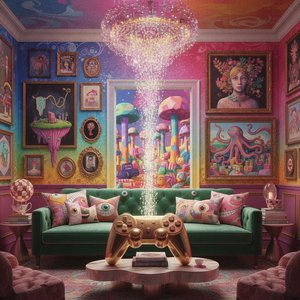
The glow of the screen, once relegated to basements and arcades, now permeates nearly every facet of contemporary culture. It’s a shift that began subtly – a pixelated character appearing on a t-shirt, a chiptune melody sampled in a pop song – but has rapidly accelerated into a full-blown aesthetic revolution. Gaming is no longer simply a hobby; it's a dominant cultural force, shaping everything from high fashion runways to the language we use online. This isn’t merely about acknowledging the economic power of the gaming industry (which dwarfs both film and music combined), but recognizing its profound influence on visual languages, storytelling techniques, and even our collective imagination.
Consider Richard Hamilton's 1952 work, War Games. Though predating the digital age as we know it, the piece’s layered symbolism and exploration of conflict through a fragmented, media-saturated lens feels remarkably prescient. It foreshadows the way modern gaming often dissects complex narratives and presents them through visually arresting, sometimes unsettling imagery. The bold colors and collage techniques employed by Hamilton resonate with the vibrant, often chaotic aesthetic found in many popular games today – a visual language that’s increasingly spilling over into mainstream design.
Crossovers & Collabs: When Virtual Worlds Meet Real-World Style
Perhaps the most visible manifestation of gaming's cultural ascent is its embrace by the fashion world. The days of gaming being considered “nerdy” are long gone; now, luxury brands actively court the gaming community through high-profile collaborations. Fortnite, in particular, has become a virtual nexus for these crossovers, hosting events featuring characters from franchises like Star Wars, Marvel, and even Naruto. These aren’t just marketing stunts; they represent a genuine attempt to tap into the passionate fanbase and aesthetic sensibilities of gamers.
This phenomenon extends beyond simple character skins. We're seeing designers actively incorporating gaming-inspired motifs into their collections – think pixelated patterns, futuristic silhouettes, and color palettes lifted directly from iconic games. The influence isn’t unidirectional either; game developers are increasingly partnering with real-world fashion brands to offer in-game clothing items that mirror designer pieces, blurring the lines between virtual and physical wardrobes. This reciprocal exchange demonstrates a growing respect for gaming as a legitimate source of creative inspiration.
Pixel Perfect: How Retro Gaming Influences Modern Aesthetics
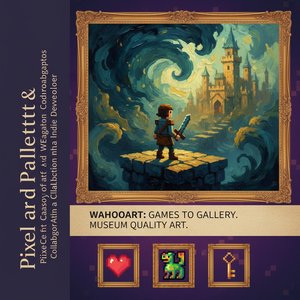
Nostalgia is a powerful force, and its impact on current trends is undeniable. The 8-bit and 16-bit aesthetics of early video games – the blocky graphics, chiptune soundtracks, and simple yet addictive gameplay – are experiencing a major resurgence. This isn’t simply about recreating the past; it's about reinterpreting it through a modern lens. Designers are embracing pixel art as a graphic element, incorporating retro fonts and color schemes into their work.
This fascination with retro gaming also speaks to a broader cultural yearning for authenticity and simplicity in an increasingly complex world. The limitations of early game technology forced developers to be incredibly creative with limited resources, resulting in designs that were both visually striking and conceptually innovative. That spirit of ingenuity continues to inspire artists and designers today.
Beyond the Screen: Gaming's Impact on Fashion and Streetwear
The influence of gaming extends far beyond high fashion; it’s deeply embedded within streetwear culture. Originating from New York hip-hop fashion and Californian surf culture, streetwear has always been about self-expression and individuality – values that resonate strongly with the gaming community. Japanese popular culture, particularly anime and manga, plays a significant role here, often serving as a bridge between gaming aesthetics and streetwear sensibilities.
Streetwear brands are increasingly collaborating with game developers and incorporating gaming references into their designs. Limited-edition sneakers inspired by iconic characters, t-shirts featuring pixelated artwork, and hoodies adorned with in-game logos are all becoming commonplace. This isn’t just about appealing to gamers; it's about tapping into a broader cultural movement that values creativity, authenticity, and self-expression.
The Future is Playful: What’s Next for Gaming x Pop Culture?
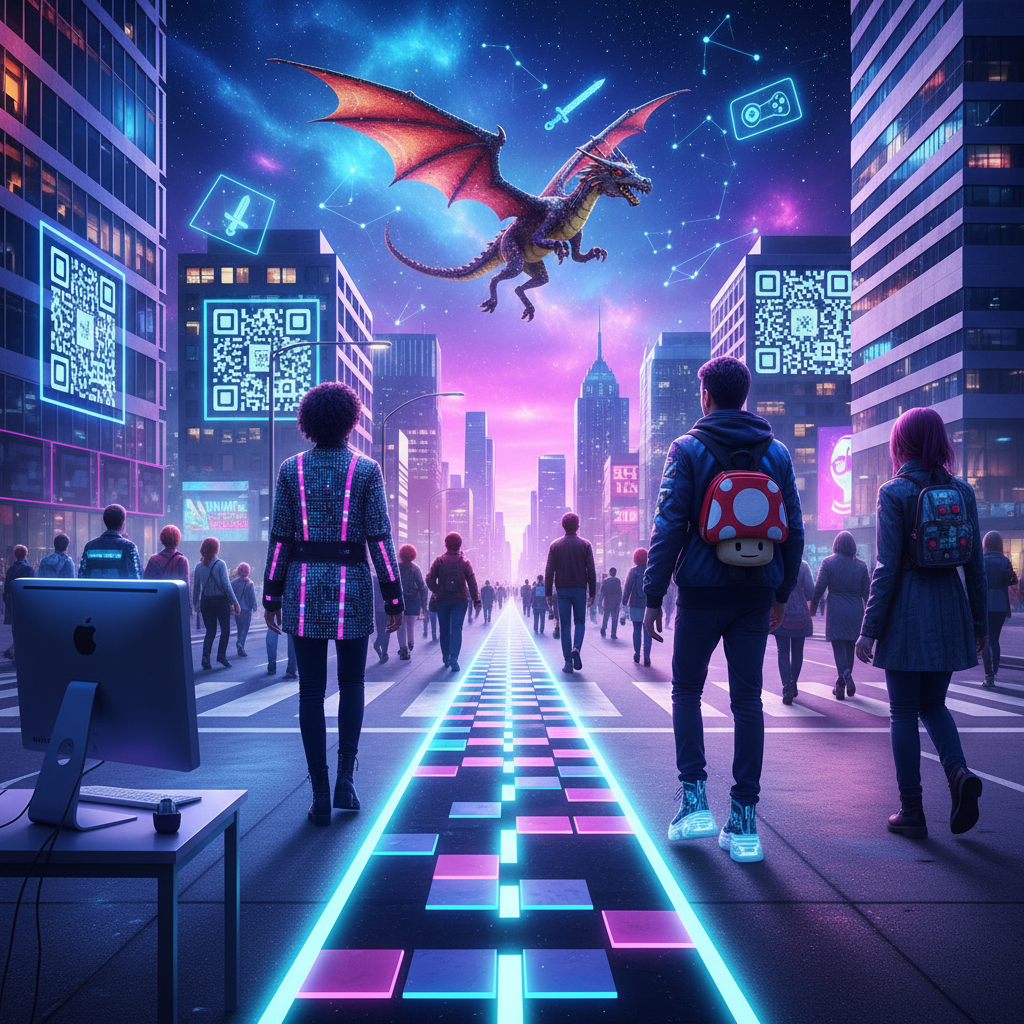
As technology continues to evolve, the lines between gaming and other forms of entertainment will only become more blurred. The rise of virtual reality (VR) and augmented reality (AR) promises to create even more immersive and interactive experiences, further solidifying gaming's position as a cultural powerhouse. We can expect to see more in-game concerts, virtual fashion shows, and collaborative events that transcend the boundaries between physical and digital worlds.
The future of this convergence is undoubtedly playful, experimental, and full of potential. Gaming isn’t just influencing pop culture; it *is* becoming pop culture – a dynamic, ever-evolving force that will continue to shape our aesthetic sensibilities and redefine what it means to be creative in the 21st century.