Understanding Your Framing Kit Components: A Detailed Inventory
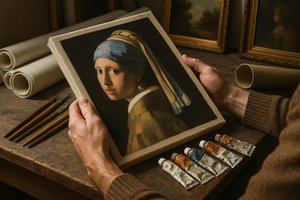
Welcome, esteemed collector. Assembling a large-format framing kit requires precision and care to ensure the lasting beauty and integrity of your masterpiece. This section details each component you’ll find within your kit, providing clarity before you begin.- Canvas: Your meticulously hand-painted oil reproduction on premium 100% cotton canvas, stretched and ready for framing.
- Frame Sections: Precisely cut frame pieces designed to seamlessly interlock, creating a robust and elegant border. Note the grain direction – it’s carefully aligned for visual harmony.
- Corner Connectors: These secure the frame sections at each corner, providing structural stability. Ensure proper orientation as indicated in the accompanying diagram.
- Backing Board: A rigid backing board protects your artwork from dust and environmental factors while maintaining a professional presentation.
- Protective Film: A clear film to safeguard the canvas surface during assembly – remove only when framing is complete.
- Hardware Pack: Includes mounting brackets, hanging wire, screws, and wall anchors for secure installation.
Assembly Instructions: Step-by-Step Guidance for Elite Presentation
This section provides a detailed walkthrough of the assembly process. Patience and attention to detail are key to achieving a flawless result.- Step 1: Frame Assembly – Begin by connecting the frame sections using the corner connectors. Ensure each connector clicks firmly into place.
- Step 2: Canvas Insertion – Carefully slide the canvas into the assembled frame, ensuring it is centered and taut. The protective film should remain in place at this stage.
- Step 3: Securing the Backing Board – Position the backing board over the rear of the frame, aligning it precisely with the edges. Secure it using the provided screws.
- Step 4: Removing Protective Film - Once you are satisfied with the alignment and security, carefully remove the protective film from the canvas surface.
- Step 5: Hanging Hardware Installation – Attach the mounting brackets to the frame’s rear, ensuring they are level. Thread the hanging wire through the brackets.
Preserving Art Integrity: Best Practices for Handling & Securing Large Formats
Protecting your investment is paramount. These guidelines ensure your artwork remains pristine for generations.- Handling with Care: Always handle the framed artwork by the frame, avoiding direct contact with the canvas surface.
- Environmental Control: Display your artwork in a climate-controlled environment, away from direct sunlight and extreme temperature fluctuations.
- Secure Mounting: Utilize appropriate wall anchors for your wall type to ensure the artwork is securely mounted and prevents accidental falls.
- Regular Inspection: Periodically inspect the frame and hanging hardware for any signs of wear or loosening. Tighten screws as needed.
- Cleaning: Gently dust the frame with a soft, dry cloth. Avoid using harsh chemicals or abrasive cleaners.
Troubleshooting Common Assembly Challenges & Expert Solutions
Even with meticulous design, occasional challenges may arise. This section addresses common issues and provides expert solutions.- Frame Sections Not Aligning: Ensure the corner connectors are fully engaged. Slight adjustments to the frame sections can often resolve alignment discrepancies.
- Canvas Sagging: Gently stretch the canvas within the frame, ensuring even tension across the surface.
- Screws Stripping: Use caution when tightening screws. If a screw begins to strip, replace it with a slightly larger size.
- Hanging Wire Slippage: Double-check that the hanging wire is securely fastened within the mounting brackets. Consider using wire crimps for added security.
Maintaining the Investment: Long-Term Care Tips for Framed Masterpieces
Your framed artwork represents a significant investment. Following these long-term care tips will ensure its enduring beauty and value.- UV Protection: Consider applying UV-protective glass or acrylic to further safeguard against fading and damage from sunlight.
- Professional Cleaning: For deep cleaning, consult with an art conservator specializing in oil paintings.
- Insurance Coverage: Ensure your artwork is adequately insured against theft, fire, and other potential risks.
- Regular Rotation: Rotate the artwork periodically to minimize exposure to any single light source.
- Documentation: Maintain detailed records of provenance, appraisal values, and conservation treatments for future reference.