The Art of Atmosphere: Why Art is Essential in Hospitality
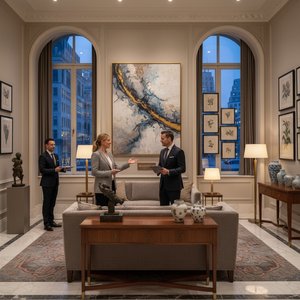
From the hushed reverence of a grand hotel lobby to the intimate warmth of a boutique restaurant, the spaces we inhabit profoundly shape our experiences. And within those spaces, art isn’t merely decoration; it's a fundamental element, a silent storyteller capable of evoking emotion, establishing identity, and transforming a functional environment into something truly memorable. Throughout history, hospitality has been intrinsically linked to aesthetics. Consider the opulent frescoes adorning Renaissance-era inns or the carefully curated collections displayed in Victorian drawing rooms – these weren’t afterthoughts, but integral components designed to impress, comfort, and reflect the values of their hosts. Today, that tradition continues, albeit with a more nuanced understanding of psychology and design. The modern traveler isn't simply seeking shelter; they are seeking an experience, a connection, and increasingly, authenticity.
The power of art lies in its ability to bypass conscious thought and speak directly to the subconscious. A carefully chosen abstract painting can instill a sense of calm and sophistication, while a vibrant landscape might evoke feelings of wanderlust and adventure. Color palettes play a crucial role – cool blues and greens promoting tranquility, warm reds and oranges stimulating conversation and energy. Even the *texture* of an artwork contributes to the overall atmosphere; a heavily impastoed canvas invites tactile exploration, whereas a smooth, polished sculpture conveys elegance and refinement. This isn’t accidental; skilled designers understand that art is a powerful tool for shaping perception and influencing mood.
Curating Collections: Trends & Strategies for Hotel Design
The current landscape of hospitality design favors curated collections over isolated masterpieces. Rather than showcasing a single, high-value piece, designers are opting for cohesive groupings that tell a story or reflect a specific theme. This approach allows for greater flexibility and personalization, enabling hotels to create unique identities that resonate with their target audience. A growing trend is the embrace of local artistry – commissioning works from regional artists not only supports the community but also provides guests with a genuine sense of place. This resonates deeply with travelers seeking authentic experiences beyond the typical tourist trail.
We’re also witnessing a resurgence of interest in handcrafted techniques and natural materials. Oil paintings, particularly those with visible brushstrokes, offer a tactile quality that digital reproductions simply cannot replicate. The Pharmacy of Hôtel-Dieu Hospital in Carpentras, France, serves as a beautiful example of how historically significant interiors can inspire contemporary design – the painted shelves and meticulously displayed apothecary tools demonstrate a commitment to craftsmanship and detail that elevates the space beyond mere functionality. Similarly, Designmuseum Danmark showcases centuries of artistic evolution, reminding us of the enduring power of thoughtfully designed objects. The key is not simply *what* you display, but *how* it’s presented – lighting, framing, and spatial arrangement all contribute to the overall impact.
Beyond Aesthetics: Art's Impact on Guest Experience & Brand Identity
The benefits of investing in art extend far beyond aesthetics. A well-curated collection can significantly enhance the guest experience, fostering a sense of luxury, comfort, and connection. Guests are more likely to remember – and recommend – hotels that have made an effort to create visually stimulating and emotionally engaging environments. Art also plays a crucial role in establishing brand identity. A boutique hotel aiming for a modern, minimalist aesthetic will naturally gravitate towards abstract or contemporary works, while a historic inn might favor traditional landscapes or portraits.
Art acts as a visual shorthand, communicating the values and personality of the establishment without uttering a single word. It’s an opportunity to create a lasting impression, differentiating your property from competitors and fostering brand loyalty. Consider how custom murals can forge a unique identity – transforming blank walls into captivating focal points that reflect the hotel's story or celebrate local culture. As highlighted in recent articles, bespoke solutions are increasingly popular, allowing hotels to tailor their art collections to perfectly align with their overall vision.
Sourcing Solutions: Working with Art Licensors and Custom Commissions
For large-scale hospitality projects, working with an art licensor offers significant advantages. Art licensors provide access to a vast library of artwork, streamlining the sourcing process and ensuring compliance with copyright regulations. They can also handle customization requests, adapting existing images to fit specific dimensions or color schemes. This is particularly valuable for hotels seeking consistency across multiple properties. However, many designers are now exploring custom commissions – collaborating directly with artists to create unique pieces tailored to their exact specifications.
This approach allows for greater creative control, but it also requires careful planning and project management. Establishing clear communication channels, setting realistic timelines, and providing detailed briefs are essential for a successful collaboration. Platforms like facilitate both options, offering access to licensed reproductions as well as commission services, bridging the gap between convenience and creativity.
Investing in Impression: The ROI of Thoughtful Art Integration
While quantifying the return on investment (ROI) of art can be challenging, the benefits are undeniable. A thoughtfully curated collection not only enhances the guest experience but also contributes to increased occupancy rates, higher average daily rates, and positive word-of-mouth referrals. In today’s competitive market, every detail matters – and art is no longer a luxury, but a necessity. It's an investment in creating a memorable and emotionally resonant environment that sets your property apart.
The hospitality industry is evolving rapidly, driven by changing consumer preferences and technological advancements. But one thing remains constant: the human need for beauty, connection, and inspiration. By embracing art as an integral component of design, hotels can create spaces that not only look stunning but also foster a sense of wellbeing, leaving a lasting impression on every guest who walks through their doors.