The American Scene: Hopper's Early Life & Artistic Foundations
Edward Hopper, a name synonymous with the quietude of modern American life, wasn’t born into artistic renown but cultivated it through diligent study and a keen observation of the world around him. Born in Nyack, New York, in 1882, his upbringing was decidedly middle-class—a background that perhaps instilled within him an outsider's perspective on the burgeoning complexities of American society. While his parents supported his artistic inclinations, it wasn’t a path paved with immediate encouragement for avant-garde experimentation. Instead, Hopper initially pursued illustration, a pragmatic choice that nonetheless honed his draftsmanship and eye for detail. His formal training at the New York School of Art under luminaries like William Merritt Chase and Robert Henri proved pivotal. Henri, in particular, championed a realist approach—a call to depict the everyday realities of American life with unflinching honesty. However, Hopper’s early European travels revealed a different influence; he admired the compositional strength of Degas and Manet, artists who prioritized mood and psychological depth over mere representation. This blend – the American realist impulse tempered by European sensibilities – would become the hallmark of his unique style.
Solitude in the City: Exploring Themes of Isolation and Alienation
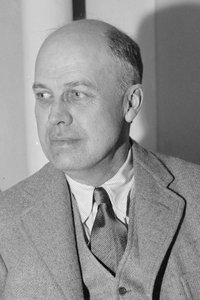 Edward Hopper
Edward Hopper: A master of American realism, capturing solitude and urban life with evocative light & shadow. Explore his iconic paintings like Nighthawks and Monhegan Houses.
Hopper’s work isn't simply a depiction of places; it’s an exploration of states of being. The pervasive theme of solitude, often mistaken for loneliness, is central to understanding his oeuvre. His paintings capture a distinctly modern alienation—a sense of disconnection even in crowded urban environments. Consider the figures within his canvases: they rarely interact, lost instead in their own thoughts, gazing into the distance or absorbed by mundane tasks. This isn’t necessarily a commentary on societal failings but rather an honest portrayal of the human condition. The rapid industrialization and urbanization of America during Hopper's lifetime undoubtedly contributed to this sense of fragmentation. People were increasingly anonymous within vast cities, leading lives that felt both connected and profoundly isolated. He wasn’t interested in grand narratives or social critique; his focus was on the individual experience—the quiet moments of contemplation, longing, and unspoken anxieties.
Light and Shadow as Narrative: Hopper’s Distinctive Visual Language
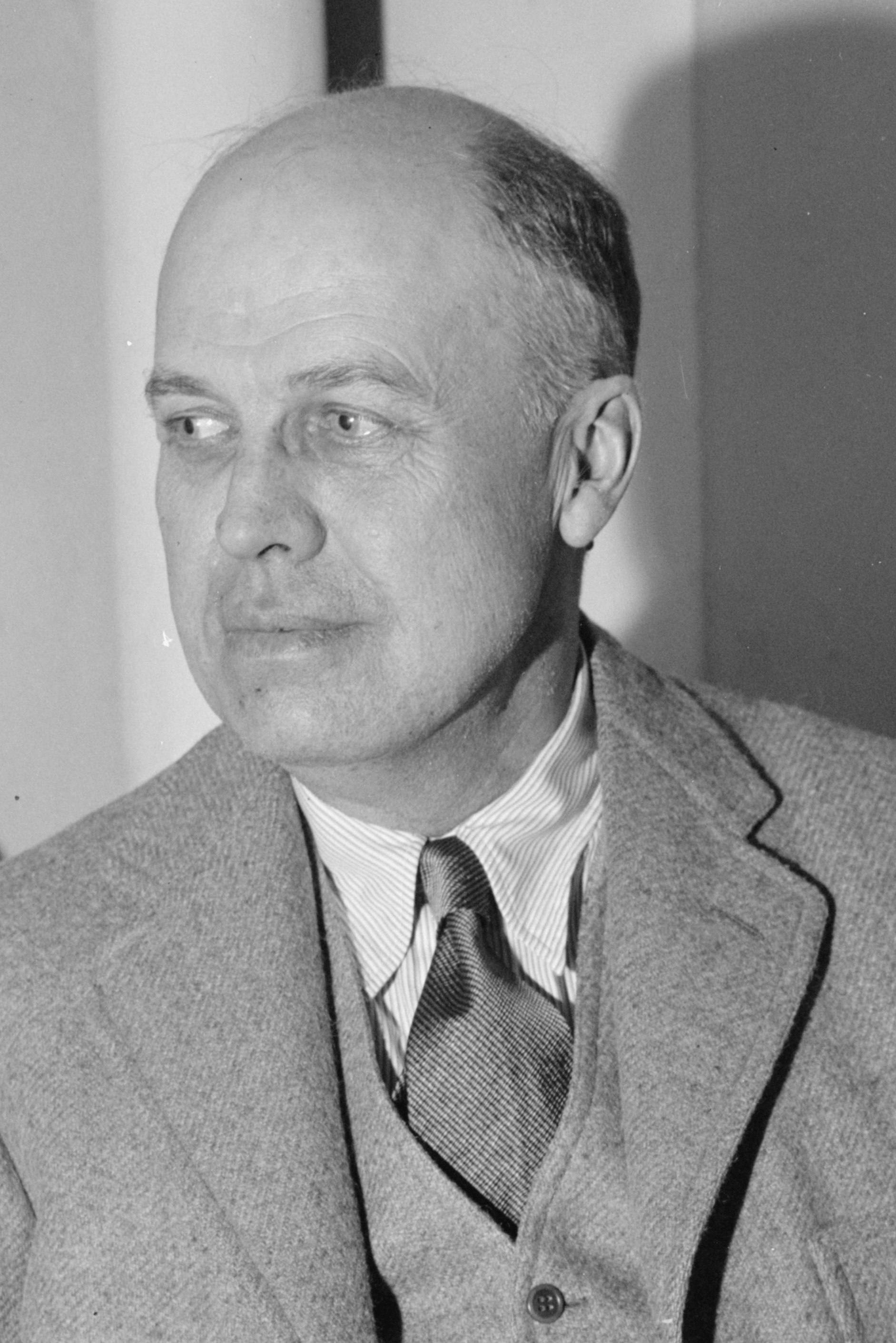 Wikipedia: Edward Hopper
Edward Hopper (July 22, 1882 – May 15, 1967) was an American realism painter and printmaker. He is one of America's most renowned artists and known for his skill in depicting modern American life and landscapes. Born in Nyack, New York, to a middle-c...
Beyond subject matter, it is Hopper's masterful manipulation of light and shadow that truly elevates his work. He wasn’t merely replicating natural illumination; he was using it to construct mood, emphasize form, and create a sense of psychological tension. The stark contrasts between brightly lit interiors and the darkness beyond often serve as metaphors for the characters’ internal states—a visual representation of their emotional distance or inner turmoil. His compositions are meticulously planned, with geometric forms and carefully considered angles that contribute to the overall feeling of stillness and isolation. He frequently employed long shadows, creating a sense of depth and mystery, drawing the viewer into the scene while simultaneously reinforcing the feeling of separation. The light isn’t inviting; it's often harsh and revealing, exposing vulnerabilities rather than offering comfort.
Nighthawks: A Masterpiece of Mood and Interpretation
 Nighthawks, The Art Institute of Chicago, Chica
Explore Edward Hopper’s ‘Nighthawks’! A haunting 1942 masterpiece of American Realism. Discover its symbolism, light, and enduring appeal – a poignant urban reflection.
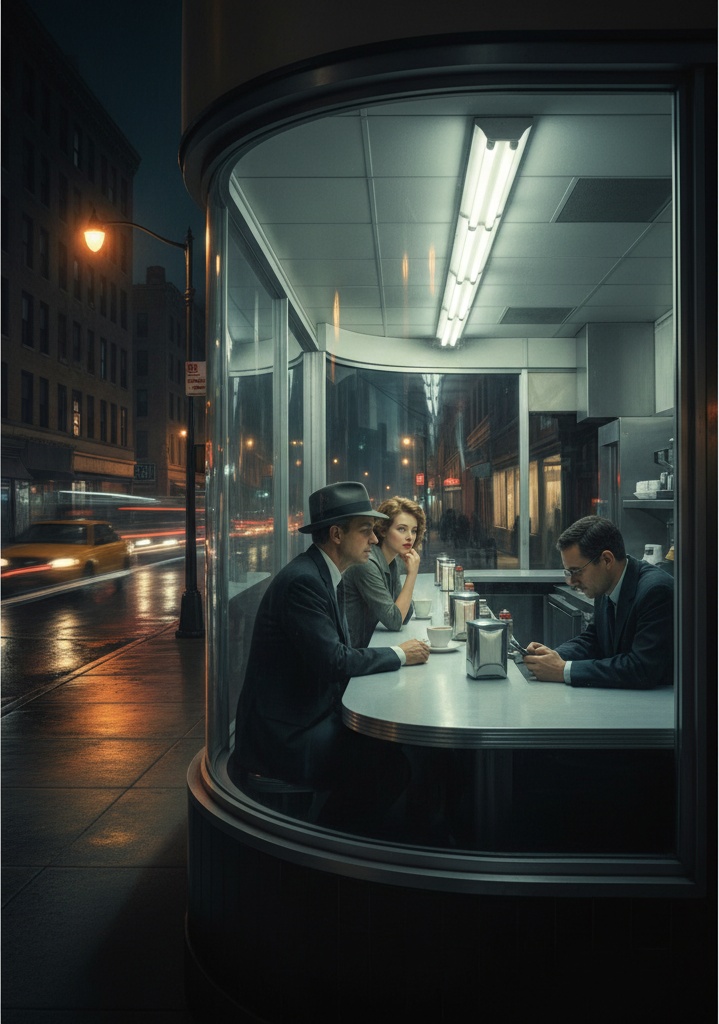
Nighthawks, perhaps Hopper’s most iconic work completed in 1942, encapsulates all the elements that define his style. The painting depicts four figures—three customers and a server—in an all-night diner, bathed in the eerie glow of fluorescent light. What makes this painting so compelling is its ambiguity. Hopper himself stated he was “unconsciously…painting the loneliness of a large city,” yet the scene resists easy interpretation. There’s no visible entrance to the diner, creating a sense of enclosure and detachment from the outside world. The figures are lost in their own thoughts, seemingly disconnected from one another despite their proximity. The composition is tightly organized, with strong horizontal lines that emphasize the stillness of the scene. Nighthawks isn’t simply a depiction of a diner; it's a meditation on urban life, isolation, and the human condition—a timeless image that continues to resonate with audiences today.
Beyond Nighthawks: Lesser-Known Works & Recurring Motifs
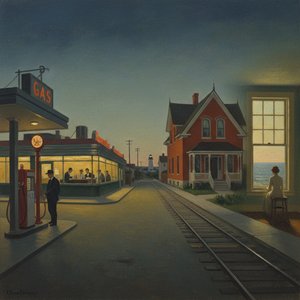
While Nighthawks often overshadows his other works, Hopper’s entire body of art reveals a consistent exploration of recurring motifs. Houses—often stark and isolated structures—feature prominently in many of his paintings, serving as symbols of both shelter and confinement. Trains, gas stations, and hotel rooms also appear frequently, representing the transient nature of modern life and the anonymity of travel. Compartment C Car, for example, depicts a solitary man on a train, lost in thought—a microcosm of the isolation found within larger urban settings. His watercolors, often overlooked, reveal a similar sensitivity to light and shadow, capturing fleeting moments of beauty and melancholy. These lesser-known works demonstrate that Nighthawks wasn’t an isolated masterpiece but rather a culmination of years of artistic exploration and refinement.
Hopper's Enduring Legacy: Influence on Art, Film & Contemporary Culture
Edward Hopper’s influence extends far beyond the realm of painting. His work has profoundly impacted filmmakers, writers, and contemporary artists alike. The cinematic quality of his compositions—the carefully staged scenes, the dramatic lighting, and the sense of psychological tension—have inspired countless directors, including Alfred Hitchcock and Jim Jarmusch. His themes of isolation and alienation continue to resonate with audiences in a world increasingly characterized by fragmentation and disconnection. Hopper’s paintings have become cultural touchstones, representing a distinctly American sensibility—a blend of realism, melancholy, and quiet contemplation. Today, his work is celebrated for its enduring beauty, psychological depth, and profound insights into the human condition. At OriginalUniqueArt.com, we are proud to offer high-quality reproductions of Hopper’s masterpieces, allowing you to bring the quiet power of his vision into your own home.