The Dawn of Artistic Expression: Prehistoric & Ancient Foundations
Long before the advent of written language, humanity found its voice through art. The earliest echoes of this expression resonate from the depths of prehistoric caves – Lascaux and Altamira stand as testaments to a primal urge to depict the world, to capture the fleeting beauty of animals and the mysteries of existence. These weren’t merely representations; they were imbued with ritualistic significance, perhaps attempts to influence hunts or connect with spiritual forces. The ochre pigments, painstakingly ground from earth and minerals, speak to an intimate relationship with nature, a reverence for its power. As civilizations blossomed in Mesopotamia, Egypt, Greece, and beyond, art evolved from these rudimentary beginnings into sophisticated forms of storytelling and religious devotion. The monumental architecture of ancient Egypt – the pyramids, temples adorned with hieroglyphs – served not only as tombs but as declarations of pharaonic power and beliefs about the afterlife. Greek sculpture, striving for idealized human form, laid the foundation for Western aesthetics, emphasizing harmony, balance, and proportion. These early civilizations weren’t simply creating images; they were constructing worlds, codifying values, and leaving indelible marks on the collective consciousness.
Renaissance to Rococo: A Flourishing of Style (14th-18th Centuries)
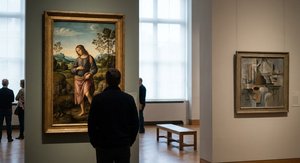
The Renaissance, a “rebirth” of classical ideals following the Middle Ages, witnessed an explosion of artistic innovation. Artists like Raphael, Leonardo da Vinci, and Michelangelo sought to recapture the realism and humanism of ancient Greece and Rome, but with a newfound understanding of anatomy, perspective, and light. Raphael’s *The School of Athens* isn't just a painting; it’s a philosophical statement, a gathering of great thinkers rendered with breathtaking clarity and grace. This period wasn’t solely about technical mastery; it was driven by a spirit of inquiry, a desire to understand the human condition. The subsequent Mannerism movement, while building upon Renaissance techniques, introduced elongated forms, distorted perspectives, and heightened emotional intensity – a subtle rebellion against classical norms. The Baroque era followed, characterized by drama, grandeur, and religious fervor. Caravaggio’s use of *tenebrism*—intense contrasts between light and dark—created powerfully emotive scenes that captivated audiences. As the 18th century dawned, Rococo emerged as a lighter, more playful style, epitomized by Antoine Watteau's idyllic depictions of aristocratic life. This shift reflected a changing social landscape, a move towards elegance, intimacy, and pleasure.
The Rise of Modernism: Challenging Tradition (19th - Early 20th Century)
The 19th century marked a period of profound societal change—industrialization, urbanization, and scientific advancements. These shifts profoundly impacted art, leading to movements that challenged traditional notions of representation. Realism, spearheaded by artists like Jean-François Millet, sought to depict everyday life with unflinching honesty, often focusing on the struggles of the working class. However, it was the late 19th century that truly shattered artistic conventions. Impressionism, with Claude Monet at its forefront, prioritized capturing fleeting moments of light and color, rejecting precise detail in favor of subjective experience. This radical approach paved the way for Post-Impressionism, where artists like Georges Seurat explored new techniques—pointillism—and delved deeper into personal expression. The dawn of the 20th century witnessed a flurry of avant-garde movements – Fauvism, with its bold, non-naturalistic colors; Expressionism, conveying raw emotion through distorted forms; and Cubism, pioneered by Picasso and Braque, fragmenting reality into geometric shapes. These weren’t simply stylistic shifts; they were philosophical upheavals, reflecting a world grappling with uncertainty and change.
Post-War Innovation: Abstract Expressionism and Beyond (Mid-20th Century – Present)
The aftermath of World War II ushered in an era of profound introspection and experimentation. Abstract Expressionism, emerging in the United States, rejected representational imagery altogether, focusing instead on spontaneous gesture, emotional intensity, and the materiality of paint—Jackson Pollock’s drip paintings are iconic examples. This movement wasn't about depicting objects; it was about expressing inner states of being. The subsequent decades saw a proliferation of diverse styles – Op Art with its optical illusions (Bridget Riley); Pop Art, embracing consumer culture (Andy Warhol); and Minimalism, reducing art to its essential forms. Contemporary art continues to push boundaries, challenging definitions of what art *is* and exploring themes ranging from identity and politics to technology and the environment. Artists today draw inspiration from a vast historical legacy, often blending styles and techniques in innovative ways. The spirit of experimentation remains paramount, ensuring that art continues to evolve and reflect the complexities of our world.
Art Movements as Reflections of Society & Technology
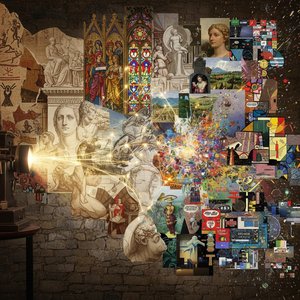
Throughout history, art movements haven’t existed in isolation; they are inextricably linked to the social, political, and technological forces of their time. The Renaissance flourished alongside humanism and scientific discovery. Realism emerged as a response to industrialization and social inequality. Modernism reflected the anxieties and uncertainties of a rapidly changing world. The development of new materials—oil paints, acrylics, digital tools—has also profoundly shaped artistic expression. Each movement represents a collective attempt to grapple with fundamental questions about existence, beauty, and meaning. Studying art history isn’t simply memorizing names and dates; it's understanding the evolution of human consciousness, the power of visual language, and the enduring legacy of creativity. From the prehistoric cave paintings to contemporary installations, art continues to serve as a mirror reflecting our hopes, fears, and aspirations—a testament to the timeless human need to create, connect, and understand.