Introduction: The Enduring Appeal of Melancholy in Art
Melancholy, a state often conflated with simple sadness, possesses a far more complex and compelling allure—one that has captivated artists and audiences for centuries. It is not merely the absence of joy, but rather a profound contemplation of loss, transience, and the inherent beauty found within impermanence. Throughout art history, this nuanced emotion has served as a powerful catalyst for creativity, inspiring masterpieces that resonate with our deepest human experiences. From the somber landscapes of Caspar David Friedrich to the intensely personal portraits of Francisco Goya, artists have consistently turned to melancholy not as an end in itself, but as a means of exploring the very essence of existence and the delicate balance between joy and sorrow.
The Roots of Sorrow: Historical Contexts & Philosophical Underpinnings
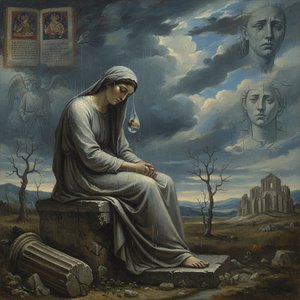
Mourning, melancholy, monuments lost, monuments found. The duty of any serious art historian is to discover their many stories and then turn these explorations, ...
To understand the prevalence of melancholy in art, one must delve into its historical and philosophical origins. In Renaissance thought, influenced by classical humoral theory, melancholy was associated with an excess of black bile—a condition believed to be linked to genius and introspection. Figures like Albrecht Dürer explored this concept visually, often depicting melancholic figures engaged in deep contemplation. However, the emotion’s resonance extends far beyond medical explanations. The rise of Romanticism in the late 18th and early 19th centuries provided fertile ground for its expression. A reaction against the Enlightenment's emphasis on reason, Romanticism prioritized emotion, intuition, and the individual experience. This shift fostered a renewed interest in themes of isolation, longing, and the sublime—all deeply intertwined with melancholy. The societal upheavals of the era – industrialization, political unrest – also contributed to a sense of disillusionment and a yearning for something lost, fueling artistic explorations of inner turmoil.
Romanticism's Embrace of Emotion: Goya, Friedrich & the Sublime Landscape
 Exploring Emotional Depth in Art: A Cross-Historical Analysis of Affective Representation
Explore the rich history of emotional representation in art! This analysis delves into affect theory, Romanticism, Goya's masterpieces & color psychology. Discover how artists evoke feeling and connect with viewers across time.
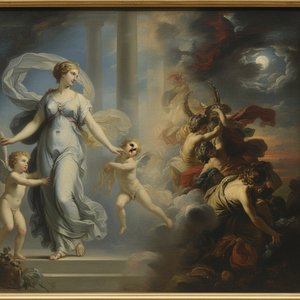
Francisco Goya stands as a pivotal figure in this exploration. His later works, particularly the “Black Paintings,” are unflinching depictions of human suffering and psychological distress. Consider “Las rinde el Sueño” (The Sleep of Reason), where a man overwhelmed by emotion is surrounded by symbolic figures—a haunting blend of realism and psychological depth. Goya’s use of dark, dramatic chiaroscuro amplifies the sense of unease and despair, drawing viewers into his troubled inner world. Simultaneously, Caspar David Friedrich harnessed the power of landscape to evoke similar feelings. His paintings are not simply representations of nature; they are projections of the artist's own emotional state. Works like “Wanderer above the Sea of Fog” capture a sense of isolation and awe in the face of the vastness of the natural world, prompting contemplation on humanity’s place within the universe. The sublime—that feeling of both terror and beauty experienced when confronted with something immense and powerful—became central to Romantic expression, often manifesting as a melancholic yearning for connection with something beyond our grasp.
Pre-Raphaelite Visions of Loss and Longing: Rossetti and Emotional Depth
 The Lady of Pity
Discover Dante Rossetti’s ‘Lady of Pity,’ a haunting Pre-Raphaelite masterpiece. Explore its emotional depth & exquisite detail – a timeless work of art. #art #rossetti #preraphaelite
The Pre-Raphaelites, emerging in mid-19th century England, offered a different yet equally compelling take on melancholy. Rejecting the academic conventions of their time, they sought inspiration in medieval art and literature, often focusing on themes of love, loss, and spiritual yearning. Dante Gabriel Rossetti’s “The Lady of Pity” exemplifies this aesthetic. The painting's exquisite detail and emotional depth are captivating; a woman gazes out with an expression of profound sadness, her beauty tinged with sorrow. Rossetti masterfully employed symbolism—the drooping flowers, the muted colors—to convey a sense of longing and regret. Unlike Goya’s raw intensity, Rossetti’s melancholy is more refined, imbued with a sense of poetic grace. His works often explore themes of unattainable love and the ephemeral nature of beauty, creating an atmosphere of wistful contemplation.
Techniques of Melancholy: Chiaroscuro, Color Psychology & Compositional Strategies
The artists who so powerfully conveyed melancholy weren’t simply relying on subject matter; they were also employing specific techniques to evoke these emotions in the viewer. Chiaroscuro, the dramatic contrast between light and shadow, became a crucial tool for creating atmosphere and emphasizing psychological states—as seen prominently in Goya's work. Color psychology also played a significant role. Muted tones, grays, blues, and browns often evoke feelings of sadness and introspection, while brighter colors were used sparingly to highlight moments of hope or longing. Compositional strategies were equally important. Artists frequently employed isolated figures, vast landscapes, and ambiguous spaces to create a sense of loneliness and alienation. The use of diagonals and receding perspectives could further enhance the feeling of unease and disorientation, drawing viewers into the emotional core of the artwork.
Beyond Despair: The Creative Power of Melancholy – A Lasting Legacy
Ultimately, melancholy in art is not simply about despair; it’s about acknowledging the complexities of human existence. It's a recognition of loss, but also an appreciation for beauty and the fleeting nature of time. The artists who embraced this emotion weren’t merely documenting their own suffering—they were offering profound insights into the universal human condition. Their works continue to resonate with us today because they tap into something deeply personal and enduring. The legacy of melancholy extends far beyond Romanticism and Pre-Raphaelitism, influencing countless artists across various movements. At OriginalUniqueArt.com, we believe in making these masterpieces accessible to all, allowing you to experience the power and beauty of art firsthand. Explore our collection of paintings by Goya, Friedrich, Rossetti, and many others, and discover the enduring appeal of melancholy for yourself – a testament to the creative spirit’s ability to find meaning even in the face of sorrow.