The Belle Époque's Dawn: Setting the Stage for Artistic Innovation
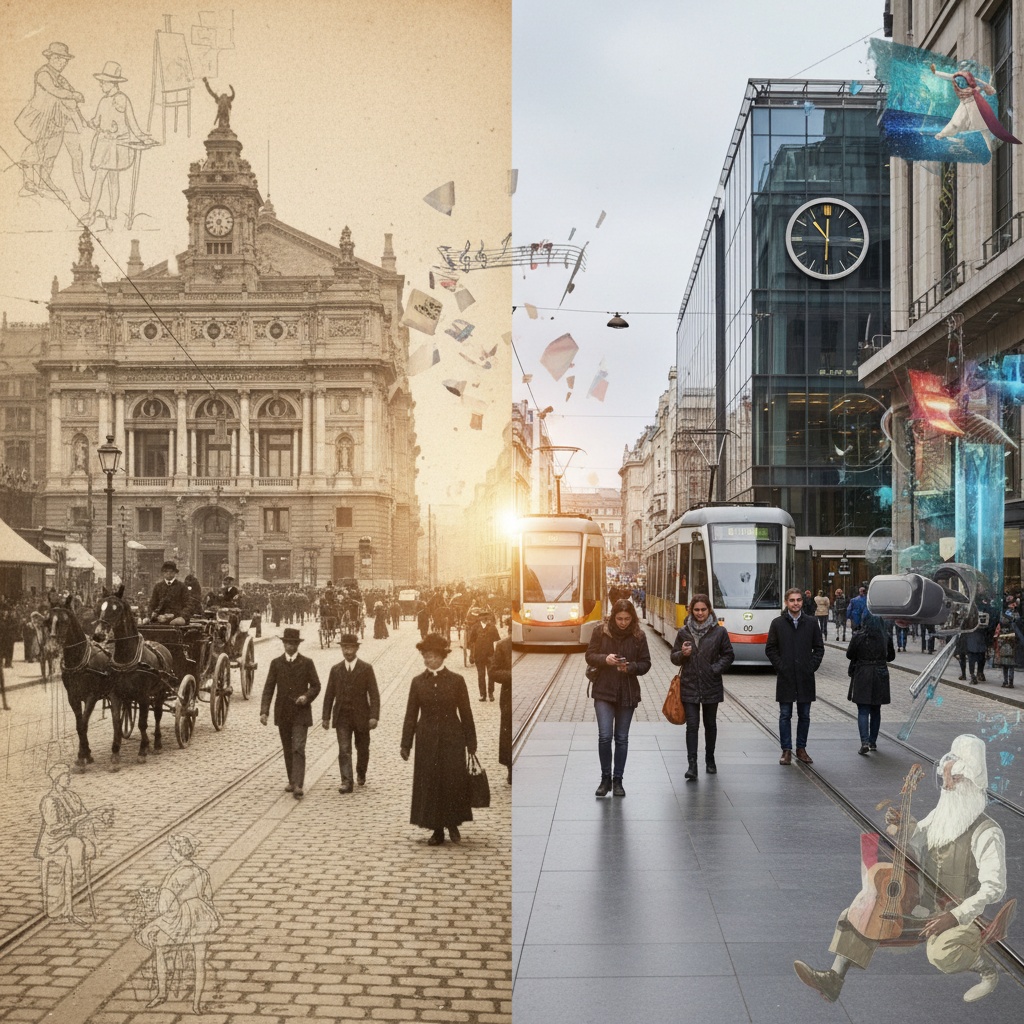
The year 1883, often overshadowed by its more celebrated successors within the fin de siècle, represents a crucial turning point – a subtle yet seismic shift in artistic sensibilities that would define the coming decades. It wasn’t a year of revolutionary manifestos or overnight stylistic upheavals, but rather one of quiet gestation, where the seeds of modernism were being sown amidst the burgeoning optimism and rapid societal changes of the Belle Époque. Following the Franco-Prussian War, France experienced a period of relative peace and prosperity, fostering an environment ripe for cultural exploration. This wasn’t merely economic growth; it was a blossoming of confidence, a renewed faith in progress, and a desire to capture the fleeting beauty of modern life. The world was becoming increasingly urbanized, industrialized, and interconnected, and artists began to grapple with representing this new reality – a reality far removed from the pastoral scenes that had dominated much of 19th-century painting.
The influence of photography cannot be overstated during this period. No longer solely reliant on accurately depicting visual truth, painters felt liberated to explore subjective experience and emotional resonance. This freedom, however, came with a sense of uncertainty, a questioning of established norms that would ultimately lead to the birth of Post-Impressionism. The rigid academic traditions were beginning to crumble, replaced by a spirit of experimentation and individual expression. The Salon system, while still influential, was facing increasing challenges from independent exhibitions showcasing artists who dared to break with convention. This burgeoning artistic independence created space for new voices and perspectives, paving the way for the radical innovations that would follow.
Post-Impressionism Takes Root: A Rebellion Against Naturalism
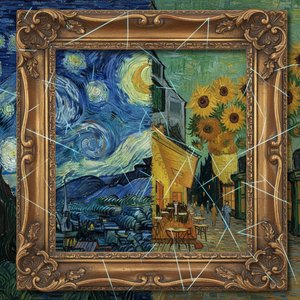
While Impressionism had successfully captured the ephemeral qualities of light and atmosphere, a growing dissatisfaction began to emerge among its practitioners. Artists like Paul Cézanne, Vincent van Gogh, and Paul Gauguin felt that Impressionism lacked structural solidity and emotional depth. They sought to move beyond merely *recording* what they saw to *interpreting* it – imbuing their canvases with personal meaning and symbolic weight. This marked the birth of Post-Impressionism, a broad movement characterized not by a unified style but rather by a shared rejection of naturalistic representation. It wasn’t about abandoning color or brushwork; instead, it was about utilizing these elements to express inner states and explore formal possibilities.
Georges Seurat's pointillist technique, with its meticulous application of tiny dots of pure color, exemplifies this quest for scientific precision and optical mixing. However, even within Post-Impressionism, diverse approaches flourished. Cézanne’s focus on geometric forms and the underlying structure of objects laid the groundwork for Cubism, while Van Gogh used vibrant colors and impasto to convey intense emotional turmoil. Gauguin sought inspiration in “primitive” cultures, rejecting Western materialism in favor of a more spiritual and symbolic aesthetic. The term 'Post-Impressionism,' coined by Roger Fry in 1906, served as an umbrella for these disparate yet interconnected artistic explorations, acknowledging their shared lineage while recognizing their individual trajectories.
Parisian Life in 1883: Capturing Modernity on Canvas
The city of Paris was the epicenter of this artistic ferment. The rapid urbanization and social changes transformed the urban landscape, creating a vibrant tapestry of life that captivated artists. Cafés, cabarets, music halls, and bustling streets became popular subjects, offering glimpses into the lives of ordinary people and the underbelly of modern society. Artists like Henri de Toulouse-Lautrec masterfully captured the energy and decadence of Montmartre’s nightlife, depicting dancers, singers, and patrons with unflinching honesty and a distinctive graphic style.
Rue des Moulins - The Medical Inspection, for example, offers a candid portrayal of Parisian life, revealing the complexities and contradictions of the era. The vibrant colors and striking figures convey both the allure and the harsh realities of Montmartre’s bohemian scene. Similarly, Jules-Alexandre Grün's posters and illustrations celebrated the pleasures of Parisian entertainment, capturing the spirit of joie de vivre that defined the Belle Époque. These artists weren’t simply documenting reality; they were actively shaping perceptions of it, offering a glimpse into a world often hidden from polite society.
Key Figures of the Era: Toulouse-Lautrec, Van Rysselberghe & Beyond
Henri de Toulouse-Lautrec stands as a pivotal figure in capturing the essence of Parisian life. His lithographs and paintings offer an intimate glimpse into the world of cabarets and brothels, characterized by bold compositions, flattened perspectives, and a keen eye for character. His work challenged conventional notions of beauty and morality, paving the way for future generations of artists to explore taboo subjects.
Theo van Rysselberghe, though less widely known than some of his contemporaries, played a significant role in the development of Belgian Post-Impressionism. Madame Van de Velde and Her Children, painted in 1903, exemplifies his use of vibrant pointillist brushstrokes to capture familial warmth and domestic intimacy. His work demonstrates the international reach of Post-Impressionist ideas, showcasing how artistic innovations were spreading beyond the confines of Paris.
Pierre-Auguste Renoir, while often associated with Impressionism, also experimented with Post-Impressionist techniques later in his career. Jeanne Durand Ruel showcases his luminous portraiture and continued exploration of Parisian life, demonstrating a subtle shift towards greater emphasis on form and structure.
Beyond France: Artistic Currents Across Europe in 1883
While Paris served as the epicenter of artistic innovation, Post-Impressionist ideas were rapidly spreading across Europe. Artists in Belgium, Serbia, and other countries began to embrace new techniques and explore their own unique interpretations of modern life. Petar Bajalović, a Serbian architect and painter, pioneered modernist styles with bold colors and geometric designs, demonstrating the growing influence of European art movements beyond traditional centers.
Paul Madeline, another French Post-Impressionist painter, celebrated evocative landscapes and village scenes, particularly from Creuse and Brittany. His work reflects a desire to connect with nature and explore regional identity, showcasing the diverse range of artistic expression within the broader Post-Impressionist movement. These artists, though geographically dispersed, shared a common desire to break with convention and forge new paths in art.
The Legacy of 1883: A Foundation for 20th-Century Art
The year 1883 may not have witnessed a dramatic artistic revolution, but it laid the crucial groundwork for the seismic shifts that would define the 20th century. The seeds of modernism – the questioning of established norms, the exploration of subjective experience, and the embrace of individual expression – were firmly planted during this period. Post-Impressionist artists challenged conventional notions of representation, paving the way for movements like Fauvism, Cubism, and Expressionism.
The emphasis on formal experimentation and emotional resonance continues to resonate with artists today. Exploring works from 1883 allows us to understand the origins of modern art and appreciate the courage and vision of those who dared to break with tradition. At OriginalUniqueArt.com, we are dedicated to making these masterpieces accessible, offering high-quality reproductions that capture the beauty and complexity of this pivotal era in art history. Discover the vibrant world of 1883 and experience the legacy of Post-Impressionism for yourself.