
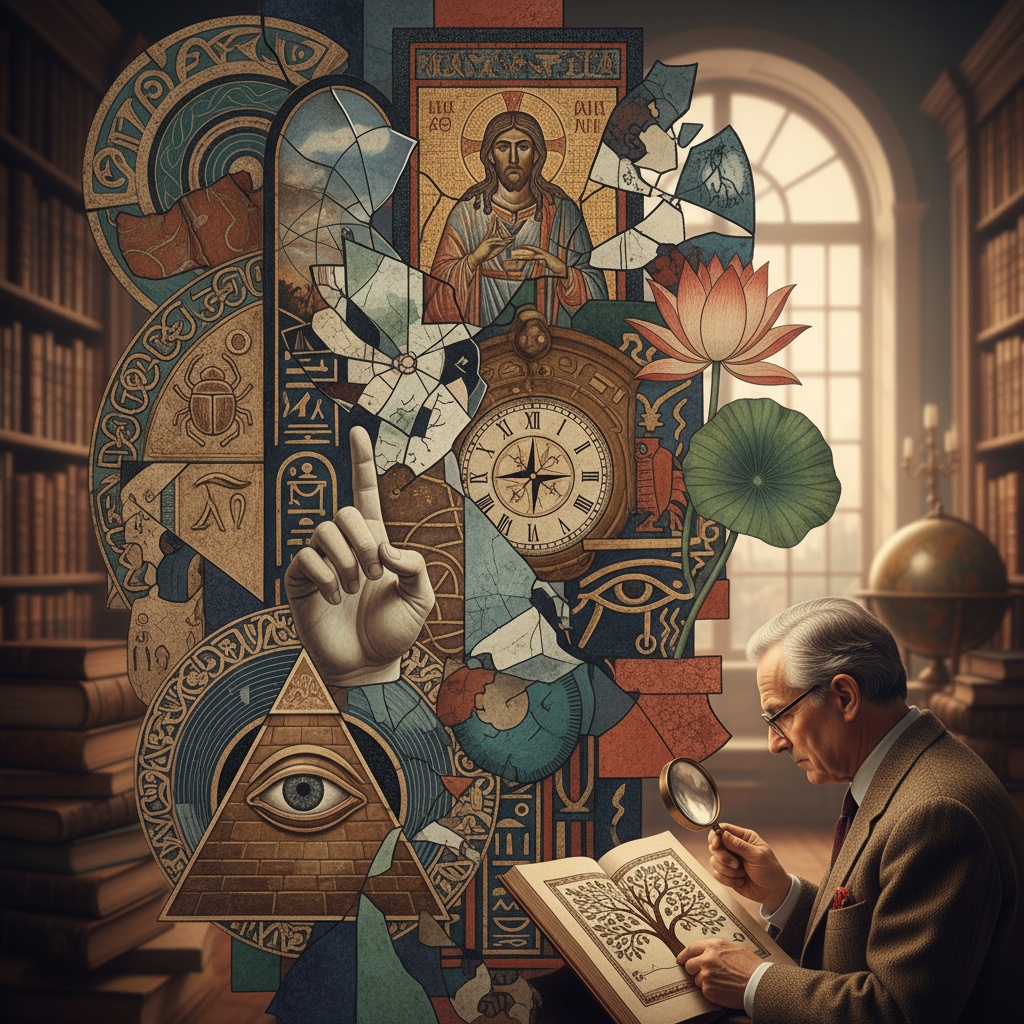
The Enduring Power of Symbols: An Introduction to Art's Hidden Language
In works of art, literature, and narrative, a symbol is a concrete element like an object, character, image, situation, or action that suggests or hints at abstract, deeper, or non-literal meanings or ideas. The use of symbols artistically is symboli...
For centuries, art has functioned as more than mere representation; it’s been a vessel for complex ideas, beliefs, and emotions often veiled beneath layers of symbolism. To truly appreciate a masterpiece isn't simply to admire its aesthetic qualities, but to decipher the visual language employed by the artist—a lexicon rich with historical context, cultural nuances, and personal intention. This ability to ‘read’ art unlocks a deeper understanding, transforming observation into informed engagement. The impulse to imbue objects and images with meaning is deeply rooted in human history, predating written language itself. From prehistoric cave paintings depicting animals as totemic representations of power and fertility, to the elaborate iconography of ancient civilizations like Egypt, symbolism has always been integral to our attempts to understand and articulate the world around us.
From Ancient Ritual to Renaissance Allegory: A Historical Overview of Symbolism
 Allegory of Christianity
Explore Jan Provoost’s ‘Allegory of Christianity’ (1515). A stunning Northern Renaissance oil painting rich in symbolism & detail. Discover its complex composition & artistic significance at the Louvre.
The roots of Western art’s symbolic tradition lie in classical antiquity, where gods and goddesses personified natural forces and abstract concepts. However, it was during the Medieval period that symbolism truly flourished, intertwined with religious doctrine and narrative storytelling. The Romanesque and Gothic eras saw a proliferation of allegorical figures and typological interpretations of biblical scenes—visual sermons designed to educate and inspire a largely illiterate populace. But it was the Renaissance that brought about a particularly sophisticated approach. Artists like Jan Provoost, in his stunning ‘Allegory of Christianity’ (1515), didn't merely depict religious figures; they constructed intricate visual puzzles demanding learned interpretation. Every fruit, every animal, every architectural detail held specific meaning, referencing biblical stories, classical mythology, and contemporary philosophical thought. This period demanded not just observation but *knowledge* – a deep understanding of the cultural context to fully grasp the artwork’s message. The meticulous realism often found in Northern Renaissance paintings paradoxically amplified this symbolic density, embedding layers of significance within seemingly straightforward depictions of everyday life.
Iconography vs. Symbolism: Dissecting the Layers of Meaning in Artwork
 Decoding Visual Language: Symbolism in Art History for the Discerning Collector
Explore the rich history of symbolism in art with OriginalUniqueArt.com. Uncover hidden meanings, understand iconography, and elevate your art collecting knowledge. Expert analysis & insights for discerning collectors.
Often used interchangeably, iconography and symbolism represent distinct yet interconnected aspects of art analysis. Iconography is essentially the identification and description of subject matter—recognizing a specific figure as Saint Sebastian or identifying an object as a skull. It’s about *what* is depicted. Symbolism, on the other hand, delves into the meaning behind those depictions – what does the skull represent? Mortality? Vanity? The transience of life? Iconography provides the building blocks; symbolism interprets their significance. Consider Hieronymus Bosch’s ‘The Seven Deadly Sins’. Identifying each sin—gluttony, greed, lust, etc.—is an act of iconography. But understanding *why* Bosch chose specific creatures or scenarios to represent each vice requires a deeper engagement with symbolism. The grotesque imagery isn't merely fantastical; it reflects contemporary anxieties about morality and the dangers of earthly temptation. The interplay between these two concepts is crucial: accurate iconography is essential for unlocking symbolic meaning, but without an understanding of context and artistic intention, those symbols remain inert.
Common Symbolic Motifs and Their Interpretations Across Art History
Certain symbols have resonated across centuries and cultures, acquiring layers of meaning through repeated use. The lily, for example, frequently appears in Renaissance paintings as a symbol of purity and the Virgin Mary. The skull, as mentioned earlier, represents mortality but also serves as a *memento mori*, a reminder to contemplate one’s own fleeting existence. Animals often carry symbolic weight: doves signify peace, snakes represent temptation or evil, and lions embody power and courage. Fruit, too, is laden with meaning. Apples are associated with the Fall of Man, pomegranates symbolize fertility and resurrection, and citrus fruits can represent wealth and abundance. However, it’s crucial to remember that symbolism isn't universal. A symbol’s meaning can shift dramatically depending on the artist, the cultural context, and even the specific period in which the artwork was created. For instance, a peacock, while often associated with vanity due to its elaborate plumage, could also represent immortality in certain contexts.
The Symbolist Movement: Embracing Subjectivity and Inner Worlds
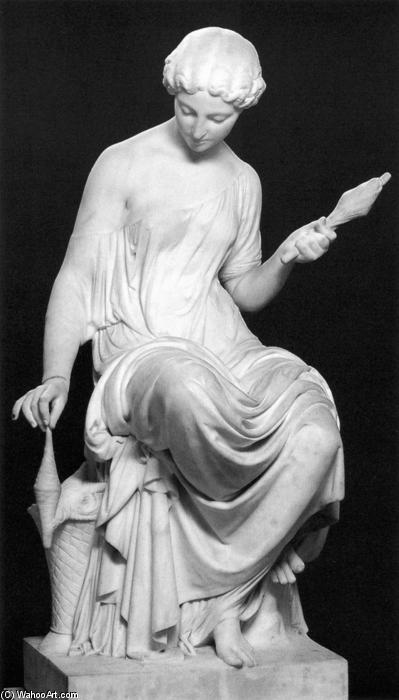 mathurin moreau
Discover Mathurin Moreau (1822-1912), a French artist known for his intricate Symbolist works. Explore his mythological & biblical themes, artworks, and legacy.
Emerging in Europe during the late 19th century, the Symbolist movement represented a deliberate rejection of realism and naturalism. Artists like Gustave Moreau, Odilon Redon, and Pierre Puvis de Chavannes sought to evoke emotions and ideas through the use of symbols, dreams, and mythology, rather than simply depicting the external world. This was a reaction against the perceived materialism and spiritual emptiness of modern society. Mathurin Moreau, another key figure, explored mythological and biblical themes with intricate detail and evocative color palettes. Symbolist painters often drew inspiration from literature, particularly the works of poets like Charles Baudelaire and Stéphane Mallarmé, who similarly prioritized subjective experience and emotional resonance over objective representation. Gustav Klimt’s ‘Youth’ exemplifies this approach—a dreamlike depiction laden with allegorical figures and suggestive symbolism, inviting viewers to interpret its meaning on a personal level.
Collecting with Insight: Recognizing and Appreciating Symbolism in Your Acquisitions
For the discerning collector, understanding symbolism elevates the experience of art ownership from mere aesthetic appreciation to informed engagement. When acquiring a piece, consider not only its visual appeal but also its historical context, artistic intention, and potential symbolic meanings. Researching the artist’s background, the cultural climate in which the work was created, and common motifs of the period can unlock hidden layers of significance. Don't be afraid to consult with art experts or scholars—OriginalUniqueArt.com offers free art consultation services to help you navigate these complexities. Ultimately, appreciating symbolism is about embracing ambiguity and allowing yourself to engage with the artwork on a deeper, more personal level. It’s about recognizing that great art doesn’t simply *show* us something; it invites us to *think*, to *feel*, and to connect with the enduring power of human imagination. At OriginalUniqueArt.com, we are dedicated to making masterpieces accessible—and helping you unlock their hidden stories through our handmade reproductions, expert appraisals, and personalized guidance.



