The Historical Roots of Art & Healing: From Ritual to Modern Therapy
In an age defined by relentless acceleration, the search for inner stillness has become a defining human pursuit. While contemporary wellness practices abound, few possess the enduring legacy and profound depth of art as therapy. The connection between creative expression and healing isn’t a modern invention; it's woven into the very fabric of our species’ history. Long before the advent of psychoanalysis or mindfulness techniques, humanity intuitively understood the power of imagery to process trauma, connect with the divine, and express the inexpressible. Consider the cave paintings of Lascaux, for example – not merely depictions of hunts, but likely imbued with ritualistic significance, attempts to influence outcomes, and perhaps even early forms of storytelling that fostered communal understanding. These weren’t simply aesthetic endeavors; they were acts of profound psychological importance.
Throughout antiquity, art served as a conduit to the spiritual realm. Egyptian funerary art wasn't solely about commemorating the deceased but also about ensuring their safe passage into the afterlife – a powerful act of hope and belief manifested through symbolic representation. Similarly, indigenous cultures worldwide have long utilized masks, body painting, and dance as integral components of healing ceremonies, believing that artistic expression could restore balance and harmony within individuals and communities. The early sanatoriums of Europe, recognizing the restorative power of beauty, encouraged patients to engage in drawing and painting as a means of emotional release. It wasn’t until the 20th century, however, with the rise of psychoanalysis championed by figures like Sigmund Freud, that a more formalized understanding of art therapy began to emerge.
Pioneers such as Margaret Naumburg, often considered the ‘grandmother’ of art therapy, asserted that free-form artistic expression could unlock repressed feelings and facilitate self-discovery. Her work demonstrated that the act of creating—regardless of technical skill—could bypass conscious thought and tap directly into the subconscious mind. Alongside her, Edith Kramer emphasized the importance of the creative *process* itself, believing that the struggle to shape form from chaos was inherently therapeutic. These early practitioners laid the groundwork for a discipline that continues to evolve today, recognizing art not as a mere aesthetic pursuit but as a powerful tool for emotional regulation and self-understanding.
Decoding Color Psychology: How Hues Impact Mood and Emotional Well-being
The colors we surround ourselves with are rarely neutral; they subtly yet powerfully influence our moods, perceptions, and even physiological responses. This understanding forms the bedrock of color psychology, a field that explores the emotional impact of different hues. While cultural associations certainly play a role – red symbolizing luck in some cultures but danger in others – certain fundamental connections between color and emotion appear to be universally ingrained. Blue, for instance, is consistently linked to calmness, serenity, and stability, evoking feelings of peace and tranquility. Green, often associated with nature, promotes balance, renewal, and a sense of connection to the earth.
Warmer tones, such as yellow, can uplift spirits and inspire optimism, though excessive use may lead to overstimulation or anxiety. Red and orange, while energizing, are best employed judiciously; their intensity can be overwhelming for some individuals. In art therapy, the conscious selection of color palettes becomes a potent tool for self-regulation. An individual grappling with stress might gravitate towards cooler tones—blues, greens, and violets—to create a sense of calm and grounding. Conversely, those seeking emotional release or creative inspiration may explore warmer hues to ignite passion and vitality. The interplay between colors is equally significant; harmonious combinations can evoke feelings of equilibrium, while jarring juxtapositions might reflect inner turmoil or conflict.
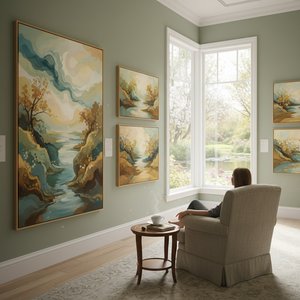
It’s crucial to remember that color perception is subjective, influenced by personal experiences and cultural backgrounds. However, understanding the general principles allows individuals to intentionally curate their artistic environment for optimal well-being. A carefully chosen palette can transform a space into a sanctuary—a haven of peace and emotional resonance. The subtle power of color should not be underestimated; it’s a fundamental element in shaping our inner landscape.
Abstract Art & Mindfulness: Cultivating Present Moment Awareness
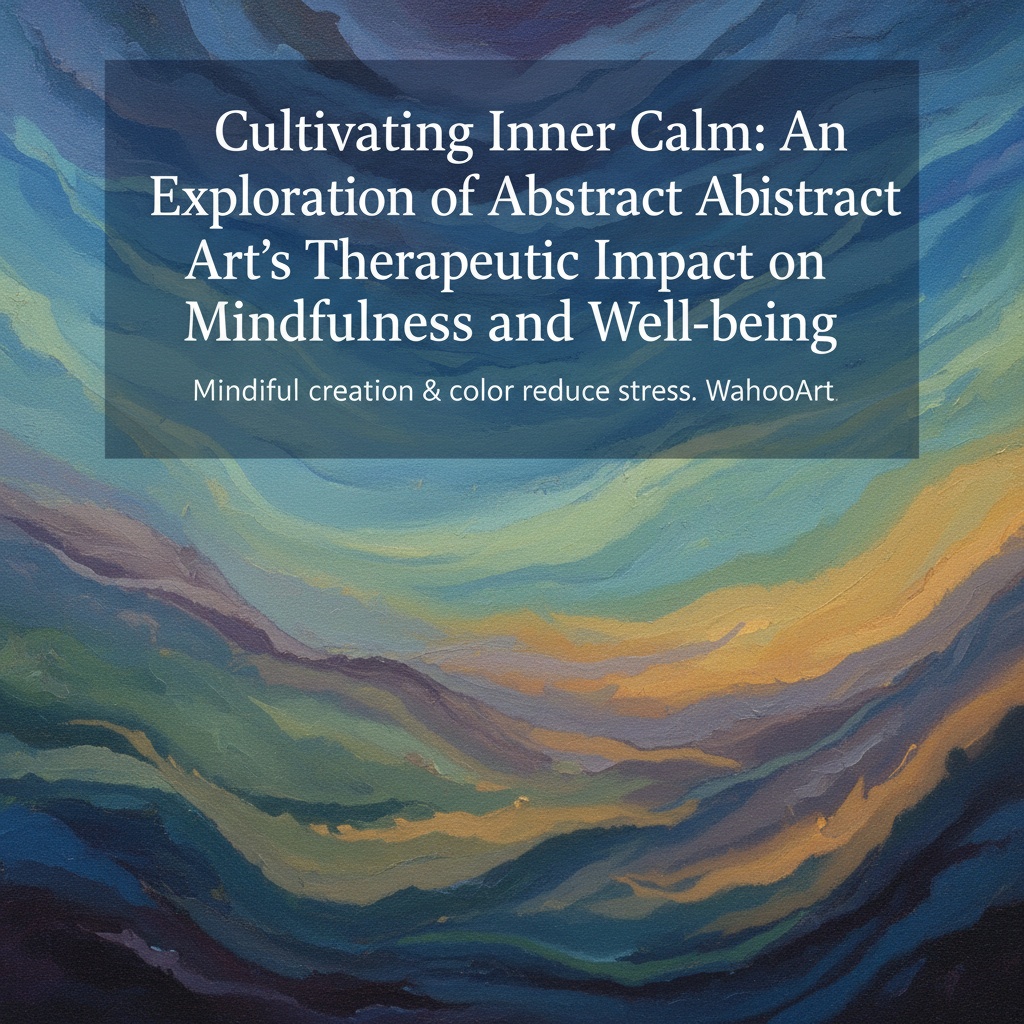
The practice of mindfulness – sustaining attention to the present moment without judgment – is intrinsically linked to the benefits of abstract art. Unlike representational imagery that triggers narrative thought (“What *is* this a picture of?”), abstract forms demand immediate sensory engagement, bypassing the analytical mind and inviting direct experience. This shift in focus—from intellectual interpretation to visceral perception—quiets the ‘monkey mind’ – the constant stream of thoughts and worries that contribute to stress and anxiety. The act of creating or observing abstract art becomes an exercise in presence, a deliberate slowing down of time.
Techniques like mindful coloring, where attention is focused on the tactile sensation of applying color within defined boundaries, have gained widespread popularity for their ability to reduce cortisol levels and promote relaxation. Similarly, simply gazing at an abstract painting without attempting to decipher its meaning—allowing oneself to be fully present with the visual experience—can cultivate a sense of calm and clarity. The absence of concrete subject matter encourages open-ended interpretation, fostering creativity and self-discovery. This process allows individuals to connect with their inner landscape without the constraints of external expectations or preconceived notions.
The meditative quality of abstract art stems from its ability to dissolve boundaries between the self and the artwork. As you engage with non-representational forms, your attention shifts inward, fostering a sense of interconnectedness and emotional resonance. This immersive experience can be profoundly transformative, offering a respite from the demands of daily life and cultivating a deeper appreciation for the beauty of the present moment.
Beyond Painting: Exploring Diverse Art Therapy Techniques for Stress Reduction
While painting is often the first art form that comes to mind when considering therapy, a diverse range of techniques can be employed to address different needs and preferences. Simple doodling or sketching provides a non-intimidating entry point to artistic expression, allowing individuals to release tension and explore subconscious patterns without the pressure of creating a ‘finished’ product. Mandalas, with their symmetrical designs, promote meditative focus and reduce anxiety through repetitive pattern creation. Collage allows individuals to express emotions through the juxtaposition of images and textures, creating visual narratives that bypass verbal articulation.
Sculpture and clay work engage the hands and body in a grounding way, providing a tactile outlet for emotional release. The act of molding, squeezing, and shaping can be profoundly cathartic, allowing individuals to externalize inner turmoil and regain a sense of control. Each technique offers unique benefits: drawing encourages spontaneity and free association; collage fosters creativity and self-expression; sculpture promotes physical awareness and embodied emotion. The key is to prioritize the *process* of creation over the final product—allowing oneself to experiment without judgment and embrace imperfections.
Furthermore, incorporating mixed media—combining different materials and techniques—can add layers of complexity and depth to the therapeutic experience. Experimenting with textures, colors, and forms allows individuals to explore a wider range of emotions and express themselves in nuanced ways. The goal isn’t to create a masterpiece but to engage in a process of self-discovery and emotional release.
Integrating Mindfulness into Your Artistic Practice: A Step-by-Step Guide
Mindful art-making is about more than just *what* you create; it's about *how* you create. Begin by taking a few deep breaths to center yourself and release tension, allowing your mind to quiet and your body to relax. Focus on the sensations of your materials—the texture of the paint, the weight of the brush, the smell of the canvas. Pay attention to the movement of your hand as you apply color, noticing any subtle shifts in pressure or rhythm. Let go of perfectionism and embrace imperfections—allowing the artwork to evolve organically without preconceived notions.
Avoid self-criticism and judgment; instead, approach the process with curiosity and openness. Observe your emotions as they arise during creation—without getting caught up in them. Simply acknowledge their presence and allow them to flow through you, like clouds passing across the sky. This practice of non-judgmental awareness transforms art-making into a meditative experience, fostering relaxation, emotional regulation, and self-discovery. Consider setting aside a dedicated space for your artistic endeavors—a sanctuary where you can disconnect from distractions and fully immerse yourself in the creative process.
Experiment with different techniques and materials to discover what resonates most with you. Don’t be afraid to try something new or step outside of your comfort zone. The key is to find a practice that feels authentic and nourishing—a way to connect with your inner self and express yourself without limitations.
Personalized Paintings: Expressing Individuality and Enhancing Well-being Through Custom Art
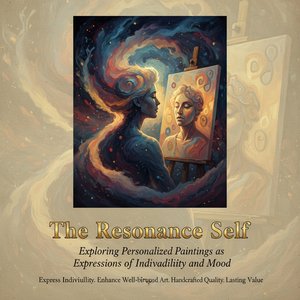
The power of personalized paintings extends beyond mere self-expression; it offers a unique opportunity to connect with individuality and enhance well-being through art that resonates deeply with one’s personal narrative. Whether it’s a portrait of a loved one, a recreation of a cherished landscape, or an abstract composition inspired by a significant life event, commissioning a painting tailored to your specific memories, emotions, or aesthetic preferences creates a powerful connection between the artwork and your inner world.
This process involves collaboration with an artist to translate your vision into reality—allowing you to actively participate in the creation of something meaningful and unique. At OriginalUniqueArt, we specialize