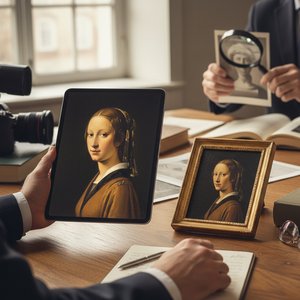
Understanding Art Appraisal: A Primer for Discerning Collectors
For the seasoned collector, art is rarely simply a possession; it’s a legacy, a conversation with history, and often, a significant financial asset. Understanding its true value—beyond aesthetic appreciation—requires a nuanced approach to appraisal. Unlike assessing tangible commodities, art valuation blends objective market analysis with subjective considerations of cultural significance, provenance, and the artist's place within their historical context. A robust appraisal isn’t merely about assigning a monetary figure; it’s about constructing a compelling narrative that justifies that value to potential buyers, insurers, or estate planners.
Historically, art valuation was an almost entirely intuitive process, relying on the expertise of established dealers and auction houses. While these institutions remain vital, the field has evolved dramatically with the advent of digital databases, scientific analysis techniques, and a more globalized market. Today’s appraiser must be as adept at interpreting auction records as they are at discerning subtle brushstrokes or identifying period-specific pigments. The process often begins with establishing authenticity – verifying that the work is indeed by the attributed artist—a task increasingly reliant on forensic examination and comparative analysis of known works.
The subjective element, however, remains crucial. A painting’s condition, its exhibition history, and even its previous ownership can significantly impact its value. A piece once held in a prestigious collection will naturally command a higher price than an identical work with an unknown provenance. This is where the art appraiser's deep knowledge of market trends and collector preferences becomes invaluable.
OriginalUniqueArt’s Complimentary Artwork Estimates: Initial Value Insights
At OriginalUniqueArt, we recognize that many collectors begin their appraisal journey simply seeking a preliminary understanding of their artwork’s potential worth. Our complimentary estimate service provides just that—an initial assessment based on our extensive database and the expertise of our in-house art historians. This isn't a formal valuation, but rather a valuable first step for those considering insurance coverage, potential sale, or simply satisfying personal curiosity.
The process is straightforward: submit detailed photographs of your artwork—front and back, close-ups of the signature, and any identifying marks or labels. Our team then analyzes these images alongside comparable sales data from auction houses worldwide. While a precise valuation requires more in-depth research (detailed below), this complimentary estimate offers a realistic range based on similar works by the same artist.
It’s important to note that market conditions fluctuate constantly. Factors such as economic trends, emerging collectors, and renewed interest in specific artists can all influence value. Our estimates are therefore subject to change, but they provide a solid foundation for further investigation.
Certified Appraisals with OriginalUniqueArt: In-Depth Research & Documentation
For those requiring a formal, legally defensible valuation—for insurance claims, estate planning, or sale purposes—OriginalUniqueArt offers comprehensive certified appraisals. This service goes far beyond the initial estimate, involving meticulous research and detailed documentation.
Our team of certified appraisers delves into the artwork’s history, tracing its provenance whenever possible. We consult international auction databases, private collector records, and art historical scholarship to establish a clear chain of ownership. Condition assessments are conducted with rigorous attention to detail, noting any signs of restoration or damage that may impact value. Advanced AI-enhanced attribution tools assist in verifying the artist’s style and technique.
The culmination of this research is a formal written report—a comprehensive document detailing the artwork’s description, history, condition, market valuation, and provenance (if established). This report serves as an authoritative record for insurance companies, legal proceedings, or potential buyers. The level of detail included depends on the chosen appraisal package, ranging from basic assessments to in-depth analyses with resale advisory support.
Sales Support Packages: Maximizing Value and Streamlining Divestment
Divesting a valuable artwork can be as complex as acquiring it. OriginalUniqueArt’s sales support packages are designed to streamline the process, maximizing value and minimizing stress for discerning collectors. This service extends beyond simply providing an appraisal; it encompasses expert guidance on market positioning, auction strategy, and negotiation.
Our team analyzes current market trends to identify the optimal time and venue for sale—whether through a major auction house or a private transaction. We assist with catalog preparation, professional photography, and crafting compelling descriptions that highlight the artwork’s unique qualities. For auctions, we provide pre-sale estimates, bidding strategies, and post-sale negotiation support.
For private sales, we leverage our extensive network of collectors and dealers to identify potential buyers. We handle all communication, ensuring confidentiality and maximizing your return on investment. Our goal is not simply to sell the artwork but to secure a price that reflects its true value—a testament to its artistic merit and historical significance.
Provenance Research & Authentication Services – Ensuring Authenticity
The cornerstone of any serious art appraisal is establishing authenticity and provenance. A clear chain of ownership, stretching back as far as possible, not only validates the artwork’s legitimacy but also significantly enhances its value. OriginalUniqueArt specializes in meticulous provenance research, utilizing a combination of archival records, expert consultations, and digital databases.
Provenance, derived from the French word for “origin,” is more than just a list of previous owners; it’s a narrative that contextualizes the artwork within its historical milieu. Early collectors relied on ownership marks—subtle signatures or coats of arms incorporated into the painting itself—to establish provenance. Today, digital databases and art historical scholarship have streamlined this process, but a discerning eye remains crucial.
If questions arise regarding authenticity, we offer specialized authentication services, consulting with leading experts in the artist’s oeuvre. This may involve forensic examination of pigments, canvas weave, and brushwork techniques to determine whether the work is indeed by the attributed master. A verified provenance and confirmed authenticity are invaluable assets for any serious collector.
Frequently Asked Questions: Addressing Common Concerns of Elite Collectors
- What documentation do I need to provide for an appraisal? We require clear, high-resolution photographs of the artwork (front, back, signature), as well as any existing provenance information—receipts, exhibition catalogs, family histories, etc.
- How long does a certified appraisal take? The timeframe varies depending on the complexity of the research required. Typically, expect 2–4 weeks for a comprehensive appraisal.
- What factors influence art valuation? Condition, provenance, artist’s reputation, market trends, and historical significance all play a role.
- Is my information kept confidential? Absolutely. We adhere to strict confidentiality protocols, protecting the privacy of our clients at all times.
- What if I disagree with the appraisal valuation? Our appraisers are happy to discuss their findings and provide supporting documentation. Independent appraisals can also be obtained for a second opinion.