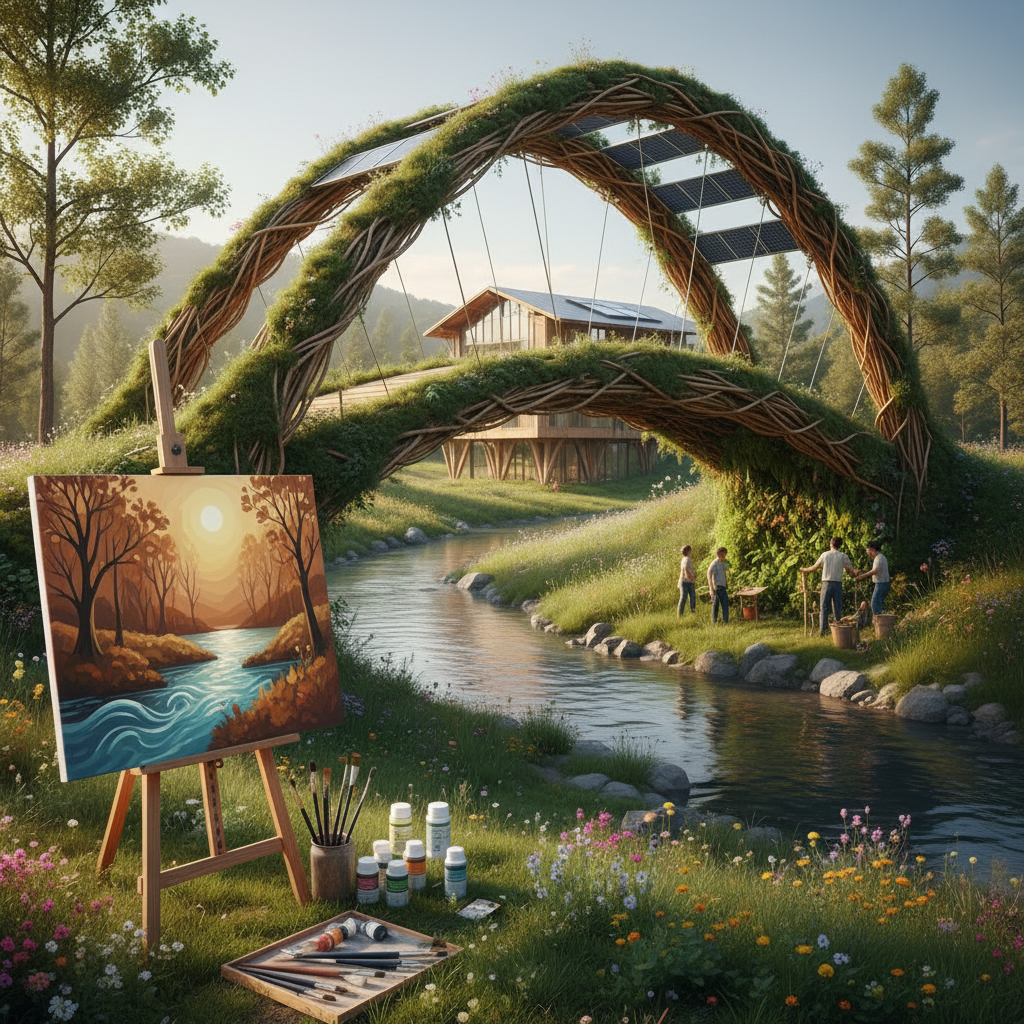
The Rise of Sustainable Art: A Historical Perspective
The impulse to harmonize artistic creation with the natural world is not new, yet its articulation as a conscious movement—what we now term ‘sustainable art’—is largely a phenomenon of the late 20th and early 21st centuries. While artists have always drawn inspiration from nature, the modern understanding of sustainability demands more than mere representation; it necessitates a critical examination of materials, processes, and even the very function of art within society. The roots of this shift can be traced back to the conceptual art of the 1960s and 70s, which questioned traditional notions of artistic value and emphasized dematerialization – a move away from object-making towards ideas and experiences. This questioning coincided with growing environmental awareness, particularly in the wake of events like the first Earth Day in 1970. However, it was arguably the end of the Cold War in 1989 that truly catalyzed a broader recognition of global interconnectedness and ecological fragility.
Early land art movements, while often visually striking, sometimes lacked consideration for their environmental impact – treating landscapes as canvases to be manipulated with little regard for long-term consequences. A crucial evolution occurred when artists began to actively engage in restoration and remediation projects, recognizing the potential of art not just to reflect ecological concerns but to *address* them directly. This marked a departure from simply depicting nature to becoming active stewards of it. The emergence of ‘eco-art’ as a distinct genre solidified this commitment, emphasizing connectivity, ethical responsibility, and a holistic understanding of ecosystems. Today, the conversation extends beyond environmental concerns to encompass social justice, non-violence, and grassroots democracy – recognizing that true sustainability requires addressing systemic inequalities alongside ecological preservation.
's Commitment to Eco-Conscious Reproduction
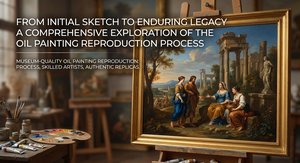
At , we recognize that even the act of reproducing a masterpiece carries an environmental footprint. For years, the art world has grappled with the inherent complexities of replicating works created centuries ago – balancing fidelity to the original with responsible practices. Our commitment to eco-consciousness isn’t simply about adopting ‘green’ materials; it's about fundamentally rethinking our entire process, from sourcing to shipping. We believe that accessibility to great art shouldn’t come at the expense of the planet.
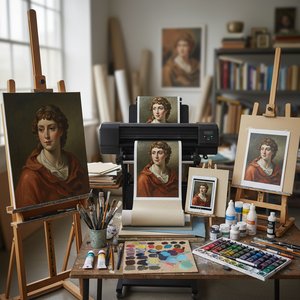
This philosophy informs every aspect of our operation. We prioritize working with artists who share this ethos, individuals dedicated to minimizing waste and maximizing resourcefulness. Our handmade oil reproduction process, while time-intensive, allows for a level of control and quality that mass production simply cannot match – reducing the need for frequent replacements and contributing to longevity. Furthermore, we are continually exploring innovative techniques and materials to further reduce our environmental impact.
Materials & Methods: From Pigments to Canvas
The very essence of painting lies in color, yet traditional pigments often contain harmful chemicals and heavy metals. At , we champion a return to natural and ethically sourced alternatives. Our artists increasingly utilize mineral pigments – azurite for vibrant blues, hematite for rich reds, and limonite for earthy yellows – derived from the earth itself. These pigments are not only environmentally sound but also offer unique depth and luminosity that synthetic colors often lack. We complement these with plant-based dyes extracted from botanicals like madder root and indigo, providing a palette of archival quality hues without compromising ecological integrity.
The choice of canvas is equally crucial. We exclusively use 100% cotton canvas, sourced from responsibly managed forests. Our binders are biodegradable, utilizing cellulose-based gel mediums and natural tree resins to create stable paint films that won’t introduce microplastics into the environment. Even seemingly minor details – like the wood used for framing – are carefully considered, opting for sustainably harvested timber whenever possible. This dedication extends to our giclée prints, which employ archival, UV-resistant inks designed to last up to 75 years without fading, minimizing the need for frequent replacements.
Customization and the Circular Economy: Personalizing with Purpose
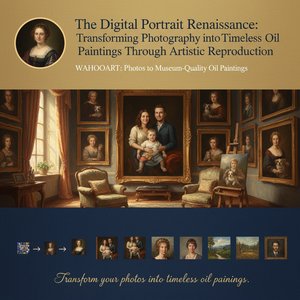
The demand for personalized art is growing, and at , we embrace this trend as an opportunity to promote a circular economy. Transforming cherished photographs into oil paintings or styled reproductions isn’t merely about creating beautiful objects; it's about imbuing them with personal meaning and extending their lifespan. By utilizing existing images – family portraits, travel snapshots, beloved pets – we reduce the demand for entirely new creations, minimizing resource consumption.
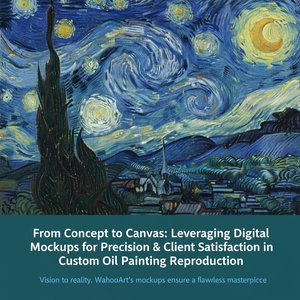
Our mockup process is integral to this approach. Before any brushstroke touches the canvas, customers receive a digital preview of their customized artwork, allowing them to refine details and ensure complete satisfaction. This collaborative process minimizes waste and guarantees that the final piece perfectly reflects their vision. Furthermore, we actively encourage upcycling – offering framing options using reclaimed wood or repurposed materials, adding another layer of sustainability to each commission.
Looking Ahead: The Future of Art and Environmental Responsibility
The intersection of art and environmental responsibility is not a fleeting trend but a fundamental shift in perspective. As awareness grows, we anticipate an increasing demand for sustainable practices throughout the art world – from artists and galleries to collectors and institutions. is committed to remaining at the forefront of this movement, continually innovating and refining our processes to minimize our impact and maximize our contribution to a more sustainable future.
The power of art lies not only in its aesthetic beauty but also in its ability to inspire dialogue and provoke change. By choosing consciously created artwork – pieces that reflect a deep respect for the planet and its resources – we can all become active participants in building a more harmonious relationship between humanity and nature. We believe that art has the potential to be a powerful catalyst for positive transformation, reminding us of our interconnectedness and inspiring us to protect the world around us.