Tempera on Panel: A Procurement Guide to Durable, High-Quality Art for Large-Scale Hospitality Projects
A professional procurement guide for hotel designers on the durability and prestige of tempera on panel. Discover how these high-quality, large-scale artworks offer unmatched longevity and architectural impact for premium hospitality projects and commercial interiors.
Tempera (Italian: [ˈtɛmpera]) is a permanent, fast-drying painting medium consisting of pigments mixed with a water-soluble binder medium, usually glutinous material such as egg yolk. There are several types of tempera paint, but the type containing ...
In the demanding world of hospitality design, where the visual narrative of a lobby or corridor must withstand the relentless passage of guests and changing climates, the choice of medium is a matter of both prestige and pragmatism. While modern prints offer convenience, they often lack the tactile soul required to anchor a luxury space. Tempera on panel, an ancient technique that predates the widespread use of oil, offers a unique solution for the discerning procurement manager. This medium, characterized by its incredible stability and luminous clarity, provides a depth of color that remains vibrant for centuries. Unlike flexible canvases that may succumb to the humidity fluctuations of large-scale buildings, the marriage of pigment and binder on a rigid substrate creates an object of permanence. For the designer, this means selecting works that do not merely decorate a wall but serve as enduring architectural assets, capable of maintaining their crystalline brilliance through years of high-traffic exposure.
Technical Specifications: The Longevity and Structural Advantages of Wood Panel Supports
The Unyielding Foundation: A History of Wood as an Artistic Support Oil on Panel: A Historical Survey of Technique, Support, and Aesthetic Impact The Enduring Appeal of Wood: A Historical Overview of Panel Painting Wikipedia: Panel painting A panel p...
The true strength of tempera lies in its meticulous preparation, a process akin to architectural engineering. At the heart of this medium is the support itself—typically a sturdy wood panel crafted from seasoned oak or poplar. Unlike canvas, which is prone to sagging, tearing, or warping under varying tension, a prepared wood panel provides an unyielding foundation. Before any pigment touches the surface, the artist applies multiple layers of gesso, a mixture of animal glue and calcium carbonate, sanded to a smoothness reminiscent of ivory. This creates a non-absorbent, stable ground that prevents the "bleeding" of colors. The binder—traditionally egg yolk—creates a protein-rich emulsion that, once dried, becomes remarkably hard and resistant to atmospheric pollutants. For large-scale projects, this structural integrity is vital; it ensures that the artwork remains a flat, consistent plane, resisting the micro-cracks and distortions that can plague lesser materials in commercial environments.
Architectural Integration: Utilizing Multi-Panel Layouts and Large-Scale Formats in Hotel Design
Introduction Imagine stepping back in time—to an era where pigments were born from earth and egg, meticulously layered onto wood to create worlds of breathtaking detail and enduring spirit. For centuries before the advent of oil paint, tempera on pan...
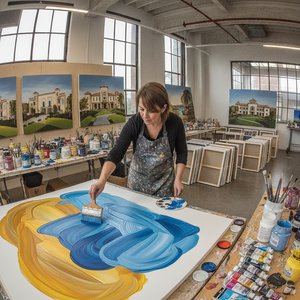
For the interior designer tasked with filling expansive voids—such as grand staircases, mezzanine levels, or sweeping hotel corridors—the challenge is often one of scale and rhythm. Tempera on panel excels in these scenarios through the use of multi-panel configurations. By splitting a singular, breathtaking composition across three, four, or even five interconnected panels, an artist can create a rhythmic flow that guides the eye through a space. This "multi-panel" trend allows for a modern, architectural aesthetic that breaks up the monotony of large walls without sacrificing the cohesive narrative of the original masterpiece. Furthermore, for those seeking to recreate historical grandeur, such as the celestial ceilings of Renaissance cathedrals, large-format murals and frescoes can be commissioned. These massive works, painted on continuous rolls or specialized supports, allow designers to transform standard hotel ceilings into extraordinary architectural statements that command attention and elevate the entire property's brand identity.
Procurement Essentials: Managing Custom Commissions, Sizing, and Bulk Order Logistics
From a procurement perspective, the acquisition of fine art for hospitality chains requires more than just aesthetic approval; it demands operational reliability. When managing large-scale installations, the ability to order by the dozen with predictable timelines is paramount. The process begins with a professional digital mockup service, which allows designers to visualize how a specific composition or color palette will interact with their interior's lighting and textures before production commences. This stage is critical for ensuring that custom commissions—whether they are "remixed" historical classics or bespoke portraits—align perfectly with the project's color scheme. Efficient logistics, including clear communication via dedicated Project Coordinators, ensures that every detail from sizing to framing is accounted for. For the professional buyer, the value lies in a streamlined workflow: receiving digital approvals, tracking production through secure channels, and ensuring that all documentation, such as VAT-compliant invoices and customs declarations, is handled with the precision required for international hotel developments.
Maintenance and Preservation: Protecting Fine Art Investments in Hospitality Spaces
--- title: Tempera paint (video) | Khan Academy url: https://www.khanacademy.org/humanities/special-topics-art-history/creating-conserving/painting-materials-techniques/v/tempera-paint hostname: khanacademy.org description: Tempera painting, popular ...
The final consideration for any long-term investment in fine art is the strategy for its preservation. While tempera on panel is inherently durable, the environment of a public space necessitates proactive care. To protect these works from the dust and moisture inherent in high-traffic areas, most professional reproductions are finished with a protective coat of Damar varnish. This layer acts as a shield against atmospheric pollutants and allows for easier cleaning without risking the pigment layers. Designers should also consider the importance of proper framing; using acid-free matting and solid wood frames—available in finishes ranging from gold leaf to deep espresso—creates an essential air gap that prevents moisture buildup between the art and the glass. By integrating these preservation standards into the initial design phase, procurement managers can ensure that their selection of fine art remains a pristine, high-value component of the hotel's interior for generations to come.
All professional inquiries regarding large-scale commissions, bulk orders, and custom reproductions for hospitality projects can be directed to OriginalUniqueArt.com. Our specialists are available to assist with everything from digital mockups to global logistics and international customs support.
Master the use of acrylic paint for professional art reproductions. Discover how fast-drying versatility, impasto textures, and large-scale scalability provide efficient, durable, and high-quality solutions for hotel designers and large-scale hospitality procurement projects.
Optimize your hospitality projects with durable, large-scale acrylic on canvas art. Ideal for high-traffic hotel environments, our professional-grade reproductions offer unmatched versatility, custom sizing, and bulk procurement solutions for designers and procurement managers.
Optimize your hospitality projects with durable oil on panel reproductions. OriginalUniqueArt.com offers high-volume art procurement, custom sizing, and reliable global shipping for hotel designers and procurement managers seeking museum-quality, long-lasting wall decor.
A professional guide for hotel designers and procurement managers on sourcing high-volume, museum-quality oil painting reproductions. Learn about bulk ordering, custom multi-panel layouts, and reliable global logistics to elevate hospitality and corporate interiors with ease.
A professional guide for hotel designers and procurement managers on leveraging minimalism in hospitality. Discover how geometric abstraction and large-scale hand-painted reproductions create sophisticated, high-impact environments through strategic art selection.


 Tempera
 Mastering the Surface: A Historical and Technical Guide to the Art of Oil on Panel Painting
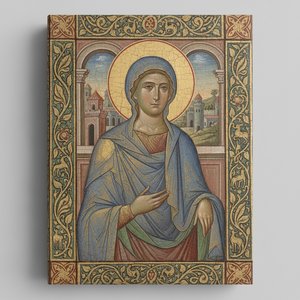 Tempera's Timeless Legacy: 10 Masterpieces That Revolutionized Art | OriginalUniqueArt