The Chemistry of Color: Understanding Acrylic Pigments and Lightfastness
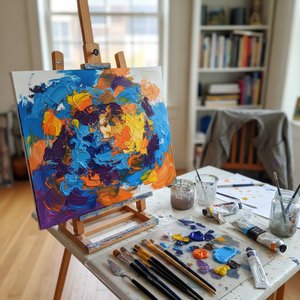
To the discerning collector, the allure of a painting often begins with its luminosity—that inexplicable glow that seems to emanate from within the canvas itself. In the realm of modern acrylics, this brilliance is not merely an aesthetic triumph but a feat of chemical precision. Unlike the slower-drying oils that can sometimes succumb to yellowing over decades, acrylic pigments are suspended in a synthetic polymer emulsion, offering a clarity and a spectrum of saturation that remains remarkably true to its original intent. This medium allows for a unique interplay of light; the pigments sit upon the surface with a transparency that can be layered to create depth, much like the luminous precision found in the Pointillist works of Georges Pierre Seurat.
< and p>However, the true value of an acrylic work lies in its resistance to the ravages of time. For those investing in fine art, lightfastness is a non-negotiable metric of quality. High-grade acrylics utilize premium pigments that are chemically engineered to withstand UV exposure without fading or shifting in hue. When selecting pieces for a permanent collection, understanding this stability is paramount. A masterpiece is not merely a moment captured in time, but a legacy preserved; thus, the use of lightfast, high-quality pigments ensures that the vibrant blues and searing yellows of a contemporary landscape remain as striking fifty years from now as they are on the day of their unveiling.In conclusion, the chemical integrity of acrylic pigments provides the foundation for both visual impact and long-term value. By prioritizing lightfastness, collectors can ensure that the emotional resonance of the color palette remains undiminished through generations.
Mastering Texture: From Smooth Glazes to Impasto Techniques
Beyond the mere brilliance of color lies the tactile soul of a painting: its texture. Acrylic paint possesses an unparalleled versatility, acting as a medium that can transition seamlessly from the ethereal to the architectural. One might encounter a work characterized by delicate, glass-like glazes—thin, translucent layers that build a sense of atmospheric depth and soft light. These smooth applications invite the eye to wander through misty horizons or subtle shadows, creating a sense of quiet introspection. It is in these subtle gradations that the artist demonstrates their mastery over the medium's fluid nature.
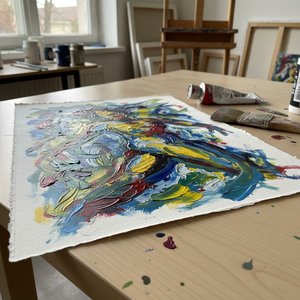
Conversely, the medium allows for the dramatic application of impasto, where the paint is applied so thickly that it stands out from the canvas in relief. In such works, the brushstrokes become sculptural elements, casting their own miniature shadows and creating a three-dimensionally "living" surface. This technique captures the kinetic energy of the artist's hand, much like the bold, geometric dynamism found in the Cubist compositions of Fernand Léger. When light hits an impasto surface, it dances across the ridges and valleys of the paint, providing a dynamic viewing experience that changes as the observer moves through the room. This physical presence transforms a flat image into a profound sensory encounter.
Ultimately, the ability to manipulate texture—from the whisper-thin glaze to the heavy, sculptural impasto—is what grants acrylics their expressive power. It is this duality of smoothness and ruggedness that allows collectors to find pieces that resonate with both subtlety and strength.
The Modern Edge: How Acrylics Revolutionized Contemporary Art Movements
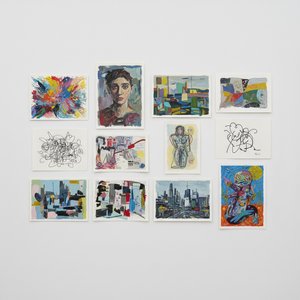
The advent of acrylic technology marked a pivotal shift in the trajectory of art history, acting as a catalyst for the radical movements of the twentieth and twenty-first centuries. While the Old Masters relied on the slow, meditative drying times of oil to achieve their triumphs, the rapid-drying nature of acrylics invited a new era of spontaneity and experimentation. This speed allowed artists to layer, scrape, and rework surfaces with an urgency that mirrored the accelerating pace of the machine age. We see this reflected in the bold, industrial motifs of modernism, where the ability to quickly apply flat, unmodulated areas of color helped define the aesthetic of urban dynamism.
This revolution extended into the very structure of composition itself. The medium’s capacity for crisp edges and high-contrast saturation paved the way for Pop Art and various forms of abstraction, where the clarity of form was paramount. Artists were no longer bound by the traditional limitations of blending; they could now utilize the medium to create sharp, graphic delineations that felt contemporary and unapologetically bold. This shift did not merely change how art looked, but how it felt—moving away from the heavy, somber tones of antiquity toward a vibrant, energetic dialogue with the modern world.
In essence, acrylics provided the technical vocabulary for the modern era. By breaking free from the constraints of traditional drying processes, artists were able to capture the pulse and movement of contemporary life with unprecedented vigor.
Durability and Preservation: Maintaining the Vibrancy of Acrylic Works
For the serious collector, the acquisition of art is an act of stewardship. While acrylics are inherently more flexible than oils—making them less prone to the cracking often seen in aged canvases—they still require thoughtful preservation to maintain their pristine state. The polymer binder provides a resilient shield against environmental fluctuations, yet the surface remains susceptible to the accumulation of dust and atmospheric pollutants. To ensure the longevity of an acrylic masterpiece, it is essential to curate a stable environment, ideally one that avoids extreme humidity and direct, harsh sunlight which can stress even the most high-quality pigments.
Proper framing and mounting also play a critical role in the preservation process. Utilizing acid-free matting and ensuring an appropriate air gap between the artwork and the glazing prevents moisture entrapment, which is vital for maintaining the structural integrity of the canvas. Furthermore, the application of a professional-grade varnish can serve as a final, protective layer, shielding the paint from dust and providing a consistent sheen that enhances the work's depth. When these archival standards are met, an acrylic painting becomes a durable heirloom, capable of retaining its brilliance for many decades.
In summary, while the medium is remarkably robust, the longevity of an art collection depends on proactive care. Through proper environmental control and archival framing, the vibrant energy of acrylic art can be preserved indefinitely.
Curating the Canvas: Integrating Acrylic Masterpieces into Modern Interiors
Integrating fine art into a contemporary interior design scheme requires a sophisticated understanding of balance, scale, and color theory. An acrylic masterpiece, with its potential for intense saturation and dramatic texture, serves as a powerful focal point that can anchor an entire room. When designing a space, one must consider how the artwork interacts with the existing architectural elements and color palette. A large-scale, multi-panel acrylic work can transform a wide, minimalist wall into a dynamic gallery experience, while a smaller, textured piece might provide a much-needed moment of intimacy in a grand hall.
The versatility of the medium allows for seamless integration across various design aesthetics. In a modern, monochromatic room, an acrylic painting with bold, primary colors can act as a vibrant "pop" of energy. Conversely, in a space characterized by soft neutrals and organic textures, a work featuring subtle glazes and muted tones can enhance the sense of tranquility. The key is to treat the artwork not merely as decoration, but as a fundamental component of the room's architectural narrative. By considering how light falls upon the textured surfaces of the canvas, a collector can create a living environment where art and space exist in perfect harmony.
Ultimately, curating with acrylics offers endless possibilities for personal expression. Whether through bold statement pieces or subtle textural accents, these works allow collectors to weave their passion for modern art into the very fabric of their homes.
At OriginalUniqueArt.com, we specialize in bringing this level of artistry and technical excellence to your collection. From meticulously handcrafted oil reproductions that capture every impasto stroke to museum-quality Giclée prints, our mission is to make the beauty of art history and modern innovation accessible to collectors worldwide. Whether you are seeking a custom commission from a personal photograph or looking to expand your gallery with a breathtaking landscape, our expert team is dedicated to quality, transparency, and the enduring preservation of human creativity.